Understanding the Basics of Car Feng Shui
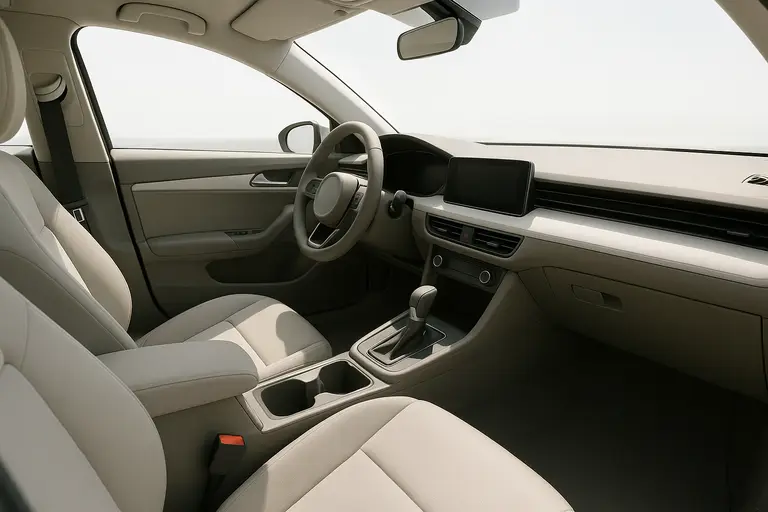
Feng Shui is most commonly associated with homes and workplaces, but the principles of energy flow, symbolism, and harmony can also apply to vehicles. Your car is more than just transportation; it is an extension of your personal energy and can significantly influence how you feel on the road. Just like a cluttered home can create stress, certain habits and choices in your car can disturb its Feng Shui balance.
In traditional Feng Shui, the car is often linked to movement, opportunities, and personal safety. Maintaining good energy in your vehicle helps ensure that journeys are smoother and that you feel comfortable, alert, and protected while driving. Conversely, ignoring these principles or making certain Feng Shui “no-nos” could lead to discomfort, distraction, and, according to some masters, even misfortune.
Clutter: The Biggest Car Feng Shui Offense
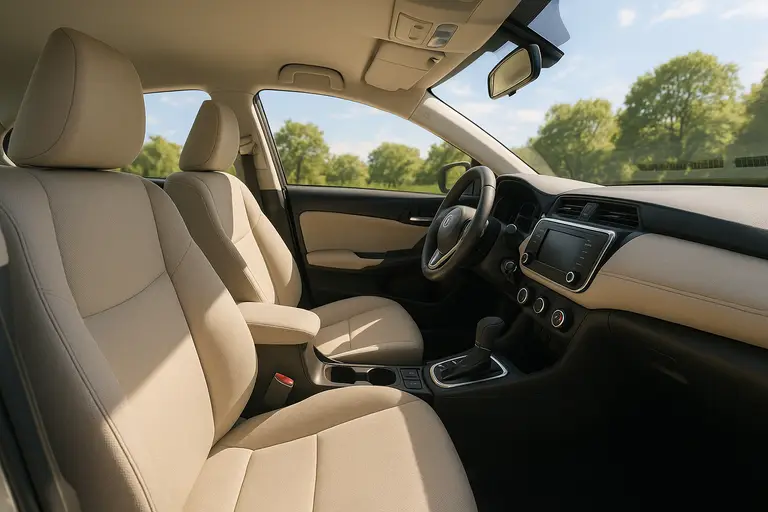
One of the most common and impactful Feng Shui taboos for a vehicle is allowing clutter to accumulate. Piles of receipts, food wrappers, old water bottles, and other debris form stagnant energy. This stagnant energy can metaphorically "weigh down" your car, making it feel less agile and more stressful to drive.
From a practical perspective, clutter can also obscure visibility, shift during sudden stops, or become a hazard in emergencies. Since movement and flow are essential to good Feng Shui, clearing out your car regularly is a non-negotiable practice for good chi.
- Remove trash each day after use.
- Store only necessary items in the glove compartment or trunk.
- Keep the dashboard and cup holders clean and organized.
- Do a weekly quick sweep for forgotten items.
Avoid Overly Large or Noisy Rearview Mirror Decorations
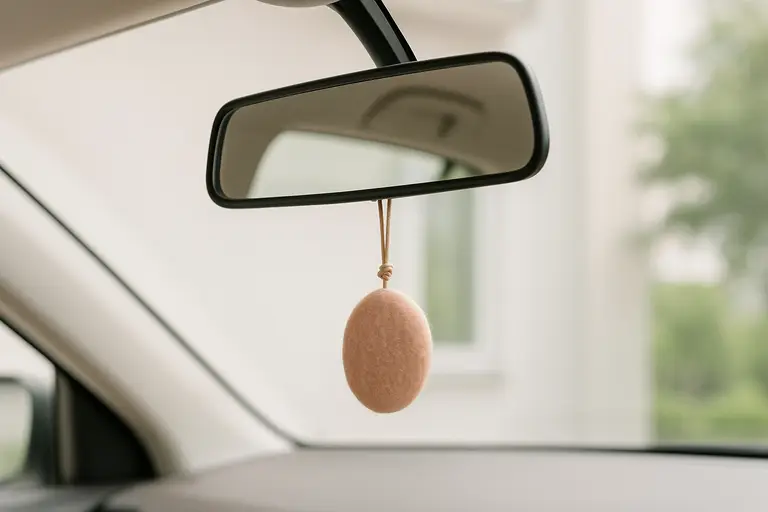
Hanging ornaments from your rearview mirror is common, either for decoration or as a talisman. However, in Feng Shui, large or noisy dangling objects can scatter energy and disrupt your focus. Objects that swing heavily with every motion of the car can create chaotic chi, which symbolically mirrors a distracted mind.
This is not just a Feng Shui concern—oversized decorations can physically obstruct your view, while jingling items may gradually impair concentration while driving. Even protective charms should be small, stable, and calming rather than flashy and noisy.
- Choose lightweight, soft, and discreet charms if you want to hang something.
- Avoid using heavy beads or metallic objects prone to swinging.
- If you enjoy Feng Shui symbols, opt for ones that are proportionate and secured tightly.
Negative or Hostile Symbols and Messages
Symbols carry energy. In Feng Shui philosophy, displaying aggressive or discourteous phrases—such as bumper stickers with insults, hostile jokes, or vulgar words—can invite conflict and attract negative situations. Cars adorned with such imagery may, according to some masters, weaken the protective "Black Tortoise" energy, which serves as a guardian from behind.
Even if the joke on your sticker seems harmless, the underlying vibration is considered important in Feng Shui. A car that projects hostility might energetically mirror that hostility back to you in the form of unpleasant encounters on the road. Instead, opt for gentle symbols, auspicious numbers, or artwork that inspires calmness and positivity.
- Avoid bumper stickers or decals with profanity or aggressive themes.
- Select symbols like cranes, lotus flowers, or gentle mountains for peace and safety.
- Use colors aligned to your birth chart for added harmony – you can check suitable colors via the Car Feng Shui Color Tool.
Overpowering Scents in the Car
While a pleasant aroma can elevate your mood, heavy or artificial scents may overwhelm the senses. In Feng Shui, overpowering smells can be viewed as another form of energetic 'noise'—masking the natural energy of the space and even causing irritation or fatigue.
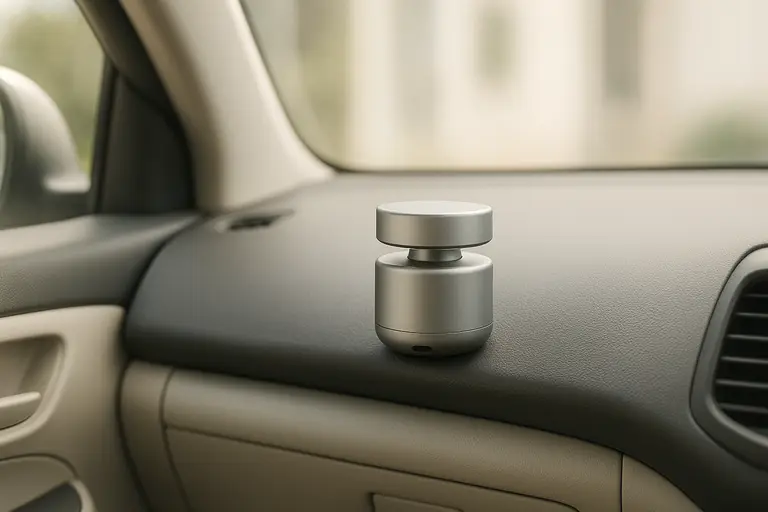
Instead of using heavily perfumed car fresheners, consider gentle natural scents like lavender or citrus, which energize or soothe without overpowering. Remember, a scent should refresh, not distract.
- Opt for essential oil diffusers with mild intensity.
- Avoid attaching large fresheners directly in front of air vents where scent output is strongest.
- Clean your car’s interior regularly to address odor sources instead of masking them.
Poor Maintenance and Feng Shui Implications
From a symbolic perspective, neglecting your car’s upkeep parallels neglecting your own life’s energy. In Feng Shui, a well-maintained vehicle reflects smooth progress on life’s path. Mechanical issues, dirty exteriors, and broken parts all send the message of stagnation or resistance.
In real terms, regular maintenance keeps you safe and reduces stress on the road. A dirty windshield is the equivalent of clouded vision—both literally and metaphorically. Flat tires represent blocked movement, while a low fuel gauge symbolizes depleted personal energy reserves.
- Wash your car regularly to restore shine and positive energy.
- Check tire pressure monthly to ensure smooth travel.
- Address warning lights immediately rather than delaying repairs.
- Refill gas before the tank gets too low to avoid a “drained” energy state.
Unsafe or Inauspicious Parking Practices
Parking may seem simple, but certain positions have symbolic weight in Feng Shui. According to some practitioners, parking your car pointed directly at your home’s front door may send sharp energy—similar to a spear—towards your living space. This symbolic strike can disrupt household harmony.
Additionally, cramped or shadowy parking spots may metaphorically “box in” your energy and affect your readiness to move forward. If possible, create a parking habit that fosters ease of entry and departure without symbolic aggression towards your home.
- Avoid aiming the car’s front directly at your front door for extended periods.
- Choose open, well-lit spaces for better real and symbolic safety.
- When parking at home, allow space around the vehicle for energy (and people) to move freely.
Ignoring the Energetic Impact of Color
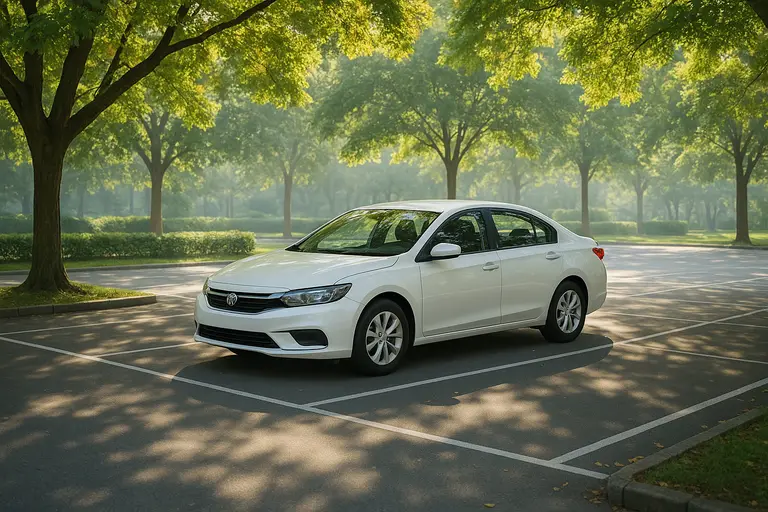
Color plays a significant role in Feng Shui, influencing both mood and energy flow. The color of your car can harmonize with or clash against your personal energy, which is often determined by your birth chart. Some colors may naturally enhance your luck and alertness, while others can create subtle disharmony.
Choosing a car color solely based on fashion trends without considering compatibility can be a subtle energetic mismatch. Fortunately, modern tools make it easier to discover the colors that align best with your unique energy profile.
To explore the best colors for your personal Feng Shui, try the Car Feng Shui Color Tool, which calculates your ideal shades based on your birth date and element.
Unbalanced Interior Decor Choices
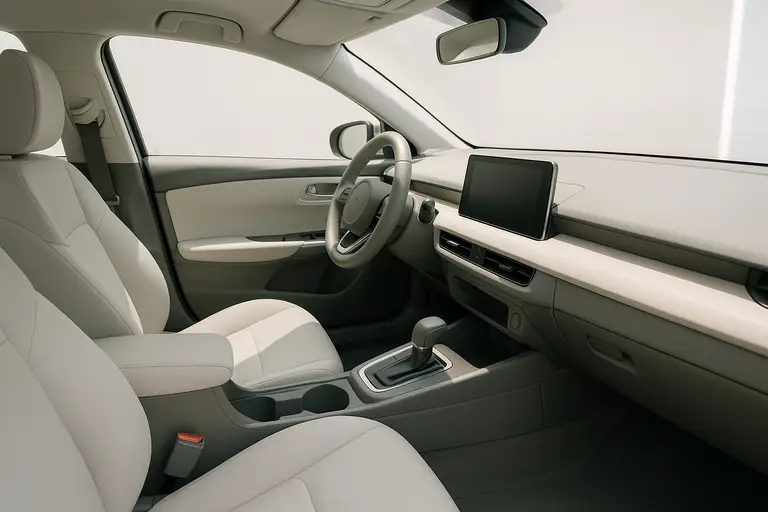
Beyond clutter and ornaments, the textures, materials, and interior color scheme of your car can either balance or disrupt your energy. A vehicle’s interior that is too dark may feel oppressive, while too many mixed patterns might feel chaotic.
In Feng Shui, balance means avoiding extremes. While luxury finishes are pleasing, overly flashy interiors may attract attention that isn’t always positive. Aim for a comfortable, well-balanced blend of colors and materials.
- Incorporate both soft and firm surfaces to create comfort and structure.
- Use accent items like cushions or seat covers in auspicious colors.
- Avoid overcrowding the space with accessories.
Disregarding Seasonal Energy Adjustments
Energy shifts with the seasons, and your car can reflect these cycles. For instance, in hot months, sunshades with bright, cooling patterns can protect the interior and refresh energy. In winter, keeping the car warm and free of ice symbolizes maintaining active, flowing chi during dormant periods.
Small changes—like rotating air freshener scents seasonally or updating protective talismans—can realign your vehicle’s energy with the rhythms of nature.
- Use light and cooling colors in summer, warm and grounding tones in winter.
- Switch talismans or charms periodically to refresh their energetic potency.
- Clean the car more frequently during transitional seasons to clear stagnant energy.
Conclusion: Drive with Clear Energy and a Calm Mind
Practicing good Car Feng Shui is not just about decoration—it’s about creating a supportive environment for safe, focused driving and positive travel experiences. By avoiding the taboos outlined above—such as clutter, chaotic ornaments, aggressive symbols, poor maintenance, and inauspicious parking—you help maintain both energetic and practical harmony.
Whether or not you subscribe to every traditional belief, many of these guidelines align with safe driving habits and stress reduction. Your car is a personal space in constant motion; treating it with care and intention will reflect positively in your journeys.
To take your practice further, discover your optimal car colors and personalized tips using the Car Feng Shui Color Tool. By harmonizing your vehicle on both visual and energetic levels, you can enhance your driving experience in ways both subtle and significant.