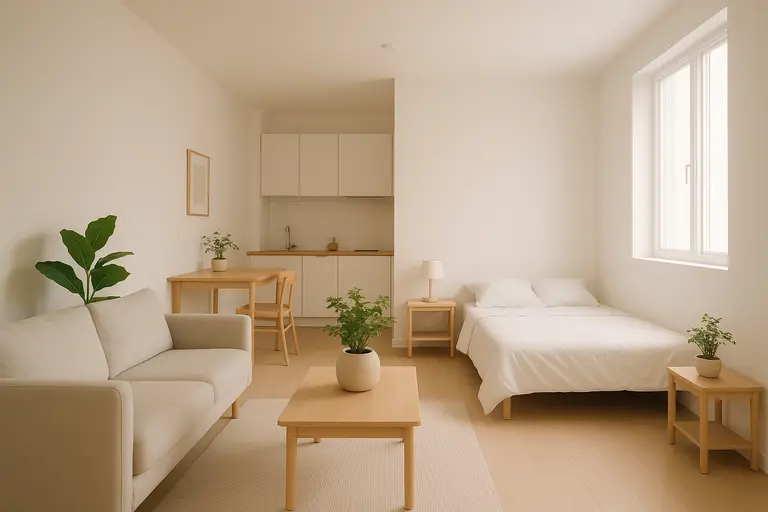
Adapting Feng Shui Principles to Limited Square Footage
In 2026, Feng Shui has evolved to address the challenges of increasingly compact living spaces. Small apartments, micro-lofts, and efficient studios have become the norm in many urban areas, and the age-old principles of harmony, balance, and energy flow are as relevant as ever. By adapting classic Feng Shui approaches to modern constraints, you can create a space that feels open, inviting, and energetically supportive.
The fundamentals of Feng Shui—clear pathways, balanced arrangements, natural elements, and intentional placement—are not dependent on size. Instead, they require thoughtful awareness of how energy moves through your home. Limited square footage means every item and every position has a direct effect on the overall energy, making conscious design decisions essential.
- Use multi-functional furniture to maintain openness while serving practical needs.
- Keep pathways clear of clutter to ensure uninterrupted chi flow.
- Incorporate natural light where possible to enhance positive energy.
- Balance the five elements—wood, fire, earth, metal, water—even in small proportions.
Understanding Chi Movement in Compact Homes
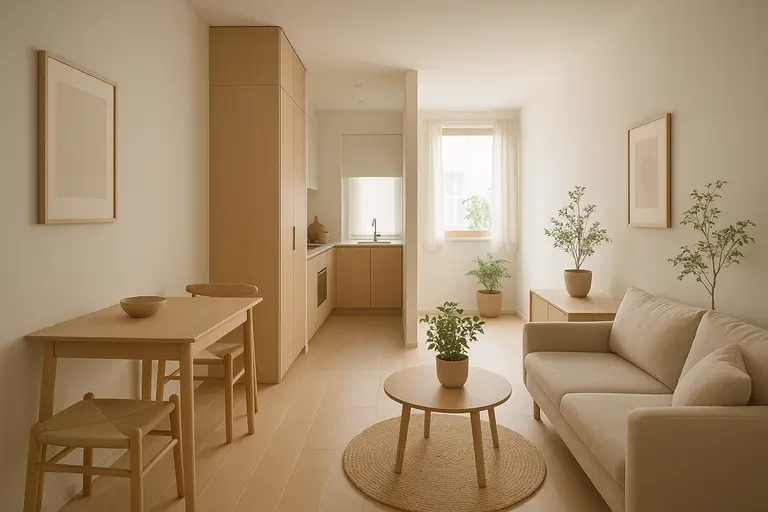
Chi, the vital life force in Feng Shui, needs freedom to circulate throughout your apartment. In small spaces, this movement can be easily blocked by excess furniture or clutter. The key is to visualize how energy flows from the entrance to various areas and make intentional adjustments that guide and enhance this movement.
Even in a studio, the entryway plays a critical role as the mouth of chi. Placing plants, art, or a soft rug near the entrance can encourage welcoming energy and set the tone for the rest of the space. Avoid sharp angles and crowded layouts that cause chi to stagnate.
- Designate clear zones for different activities to keep energy organized.
- Use vertical storage to free floor space, allowing chi to move freely.
- Avoid obstructing windows, which serve as chi outlets.
- Consider a small water feature to boost energy flow.
Creative Furniture Placement for Positive Flow in 2026
With Feng Shui in 2026 embracing modern minimalism and sustainability, furniture arrangement in small apartments requires both spatial awareness and energy sensitivity. Positioning pieces to create balance between open areas and functional zones ensures both comfort and vitality.
The primary rule is to avoid blocking natural pathways. Chairs or tables that sit too close to doorways can cause energetic bottlenecks. Aim for arrangements that direct movement smoothly through the home, transitioning effortlessly from space to space.
- Place seating so that occupants can see the entrance without being directly in line with it.
- Align workspaces to receive natural light for increased motivation and productivity.
- In bedrooms, position the bed’s headboard against a solid wall for support and stability.
- Use modular furniture that can be rearranged to refresh energy flow periodically.
Optimizing the Command Position
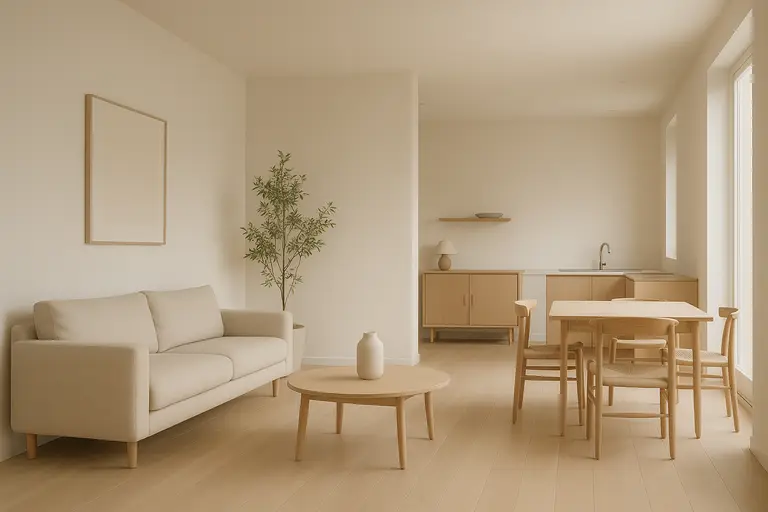
In Feng Shui, the command position refers to where you sit or sleep relative to the room’s entry points. This positioning provides a sense of control and security, which strengthens your personal energy. In small apartments, achieving the command position may require creative arrangements.
Whenever possible, place your bed or desk diagonally from the door but still in sight of it. This setup creates a comfortable barrier while allowing you to visually monitor who enters. Mirrors can assist by extending your view when direct alignment is impossible.
- The bed should never be placed directly beneath a window; this can cause energy loss.
- Desks should face the door, but not be directly aligned with it to prevent energy drains.
- Place seating to avoid backs turned to main entry points.
- Use rugs to define and protect command position zones in open-plan layouts.
Colors and Mirrors to Expand Energy
One of the most powerful tools for small-space Feng Shui is the strategic use of colors and mirrors. These elements can visually and energetically expand an apartment, making it feel larger while promoting positive vibes. In 2026, earthy tones blended with soft pastels are trending, along with metallic accents that introduce reflective energy.
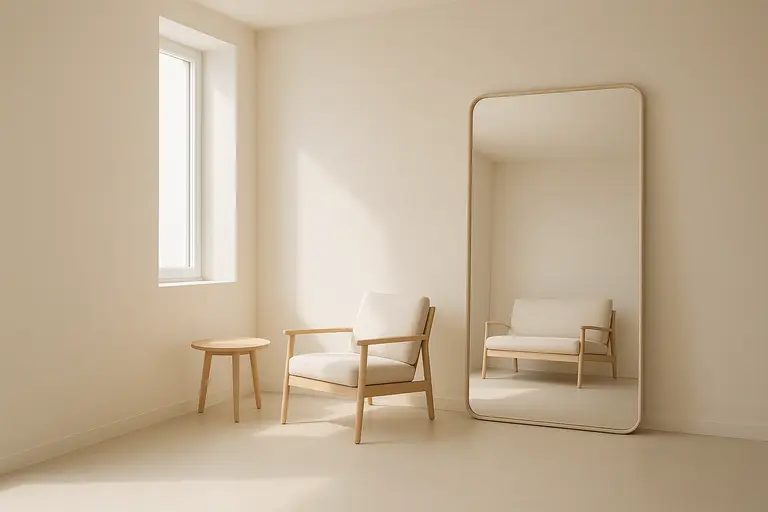
Mirrors are particularly useful for directing chi. By reflecting light and space, they extend the room visually and metaphorically. However, placement matters: avoid mirrors that reflect clutter or place them where they can disrupt restful energy, such as directly facing the bed.
- Use light colors to create openness, such as cream, sage, and pale blue.
- Add accent walls in warm tones to energize specific areas.
- Employ large mirrors to double perceived space.
- Consider mirrored furniture for subtle expansion effects.
Balancing the Five Elements in Tight Quarters
The five elements—wood, fire, earth, metal, and water—are central to Feng Shui design. In small apartments, incorporating each in modest, balanced ways ensures comprehensive harmony without overcrowding the space. The objective is to synergize their energies so that they work together rather than dominate the environment.
For example, a small wooden plant stand can bring in wood and earth elements, while a candle adds fire. Metal can be introduced through light fixtures or art frames, and water represented with a fountain or imagery. The balance is about intent rather than scale.
- Wood: plants, bamboo blinds, natural wood furniture.
- Fire: candles, warm lighting, red or orange accents.
- Earth: ceramics, stone coasters, terracotta planters.
- Metal: stainless steel utensils, decorative bowls, picture frames.
- Water: small fountains, mirrors, artwork featuring water scenes.
Decluttering Strategies for Maximum Chi Flow
Clutter is the enemy of good Feng Shui, particularly in small apartments where every extra item can block chi. A clutter-free home allows energy to move freely, reduces stress, and enhances overall well-being. In 2026, decluttering has become both a lifestyle choice and an energy practice.
The process involves both physical and energetic purification. Items should be evaluated for their necessity and emotional value. Anything broken, unused, or negative in association should be removed to maintain a vibrant living space.
- Rotate possessions seasonally to keep the environment fresh.
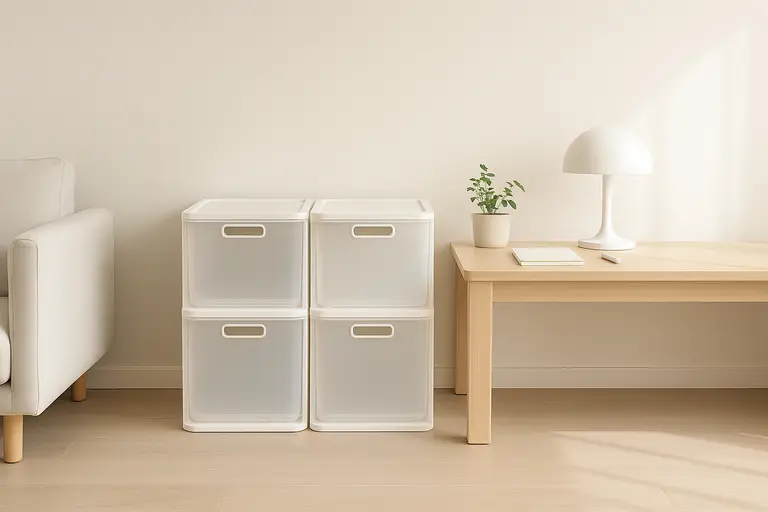
- Use storage bins to keep essentials organized and hidden from view.
- Adopt a ‘one in, one out’ rule for new purchases.
- Consider donating rather than disposing to promote positive energy exchange.
Lighting Solutions for Energizing Small Spaces
Lighting plays a pivotal role in controlling the energy of your space. In compact homes, maximizing natural light is always ideal, but artificial lighting can be skillfully layered to ensure brightness and warmth in all zones. In Feng Shui, dim corners represent stagnant energy and should be illuminated to encourage movement.
Modern LED technologies and smart bulbs make it easy to adjust brightness and warmth according to the time of day and intended function. Adjustable floor lamps and wall-mounted fixtures save precious space while enhancing ambiance.
- Use light to highlight important Feng Shui features such as plants or water elements.
- Install dimmers to modulate energy depending on activity.
- Place small lamps in areas without windows to stimulate chi.
- Avoid harsh glare by using lampshades or diffusers.
Integrating Nature into Small Apartments
Even in high-rise apartments, the presence of natural elements is fundamental to Feng Shui. Plants, natural fibers, and organic textures reconnect inhabitants to the earth and help balance artificial surroundings. In 2026, vertical gardens and hydroponic plant systems are popular solutions for introducing greenery without sacrificing floor space.
Choose plants that thrive indoors and are easy to maintain. The energy contribution of plants depends not only on their species but also on their placement. Avoid placing plants in spaces where they block pathways or crowd surfaces.
- Incorporate hanging plants to add height and dimension.
- Use terrariums for compact and creative greenery displays.
- Place plants near windows to benefit from natural light.
- Select species with rounded leaves for gentler energy flow.
Personalizing Feng Shui in 2026
Feng Shui is not a one-size-fits-all discipline, and personal adaptation is essential for creating a truly supportive environment. The energy patterns that work best for you depend on your lifestyle, goals, and emotional needs. Integrating personalized elements into your Feng Shui design ensures both practicality and resonance.
For instance, if relaxation is your priority, focus on calming colors and soft textures. If productivity is key, emphasize bright lighting and an uncluttered workspace. Your space should ultimately reflect your unique vibration while respecting universal energy rules.
- Choose colors that resonate with your personal energy.
- Integrate meaningful art or objects with positive associations.
- Arrange furniture for both practical function and emotional comfort.
- Review and adjust your layout periodically to match changing needs.
Conclusion: Big Energy in Tiny Spaces
Small apartments present unique challenges for Feng Shui, but they also offer immense opportunities for creative, intentional living. By mastering furniture placement, color strategies, and energy flow, you can transform even the smallest of spaces into a sanctuary of balance and vitality in 2026.
The key is mindfulness: every choice—be it a mirror’s position, a plant’s location, or a lighting fixture—carries energetic implications. With the right application of Feng Shui principles, your compact home can radiate big energy, support your goals, and provide a peaceful retreat from the bustle of the outside world.