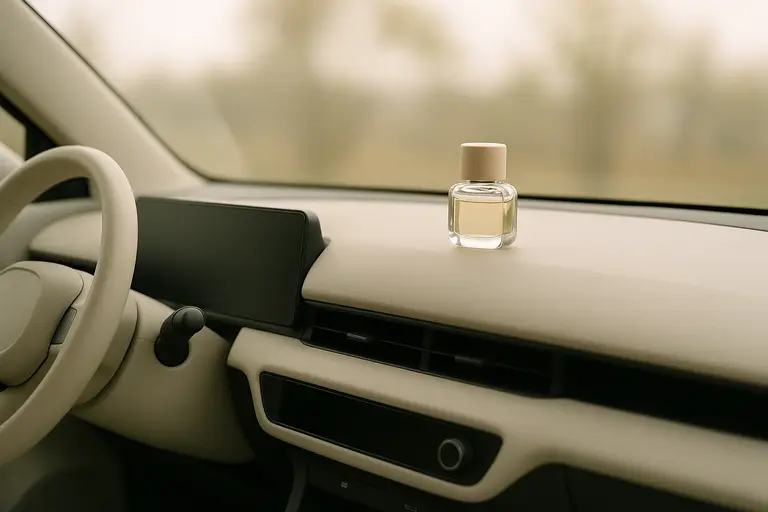
Understanding Feng Shui and Car Aromatherapy
Most drivers don’t think of their vehicles as spaces requiring energy balance, yet in Feng Shui, any environment you spend considerable time in affects your mood, mindset, and health. Your car is no different. Long commutes, traffic congestion, and everyday driving stress can accumulate into tension and fatigue. By applying Feng Shui principles and aromatherapy techniques, you can transform your car into a mobile sanctuary of balance and positive energy.
Aromatherapy, the art and science of using natural plant extracts to promote well-being, offers a simple yet powerful way to influence emotion and focus. When combined with Feng Shui’s elemental theory, you can choose scents that not only smell pleasant but also transform the energetic quality of your car’s interior.
Why Scent Matters on the Road
Smell is one of the most direct senses connected to memory and emotion. A pleasant, well-chosen aroma can calm your nervous system, improve concentration, and subtly influence the way you react to stressful driving situations. In a closed environment like a car, a scent will be more concentrated and can quickly fill the space, making it an efficient tool for mood adjustment.
Negative smells—like food leftovers or lingering smoke—can contribute to distraction or irritability. Conversely, clean and intentional scents can help keep your energy balanced during the drive. In Feng Shui terms, you are not just improving the olfactory environment; you are also adjusting the “Chi” flow in your vehicle.
Feng Shui Five Elements and Their Aromatic Scents
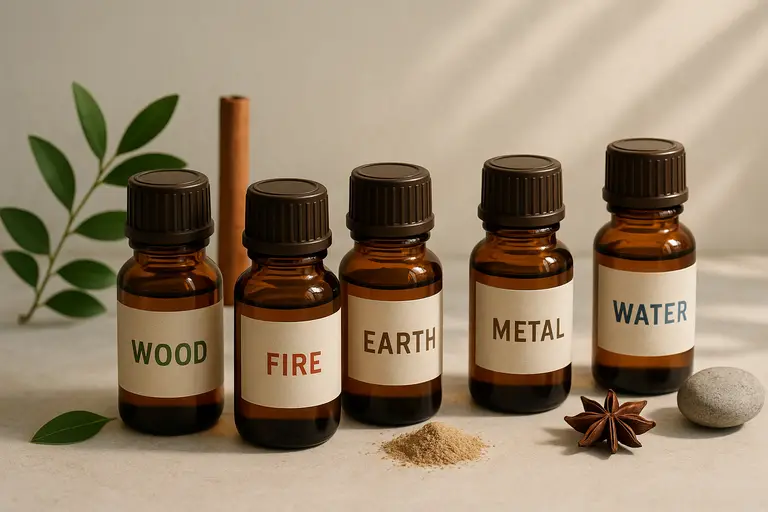
In Feng Shui, the five elements—Wood, Fire, Earth, Metal, and Water—symbolize different types of energy. You can select scents that correspond to the element you need more of in your driving environment to boost harmony and purpose.
- Wood: Associated with growth, vitality, and creativity. Use floral or green scents like rose, lavender, or cedarwood.
- Fire: Represents passion, dynamism, and visibility. Opt for warming aromas like cinnamon, clove, or sweet orange.
- Earth: Symbolizes grounding, security, and stability. Ideal scents include sandalwood, patchouli, and vetiver.
- Metal: Linked to clarity, precision, and efficiency. Fresh, crisp scents like eucalyptus, peppermint, or tea tree work well.
- Water: Represents wisdom, flow, and adaptability. Choose fluid, calming scents like jasmine, chamomile, or sea breeze blends.
Best Essential Oils for a Calm and Focused Commute
Different commutes demand different mood adjustments. You might need tranquility during rush hour or stimulation for long highway drives. Here are some essential oils that can support both.
For Stress Relief
- Lavender: Universally recognized for its calming impact on the nervous system.
- Chamomile: Eases anxiety and frustration, helping you stay patient in heavy traffic.
- Bergamot: Uplifting yet soothing, excellent for balancing mood swings.
For Alertness and Energy
- Peppermint: Increases mental clarity and keeps drowsiness at bay during early morning drives.
- Lemon: Bright and energizing, ideal for starting the day with positivity.
- Grapefruit: Refreshing and motivating, perfect for long-distance travel.
Methods for Diffusing Scents in Your Car
The way you introduce essential oils into your car environment influences both scent distribution and safety. Some methods provide continuous aroma, while others are more subtle and intermittent.
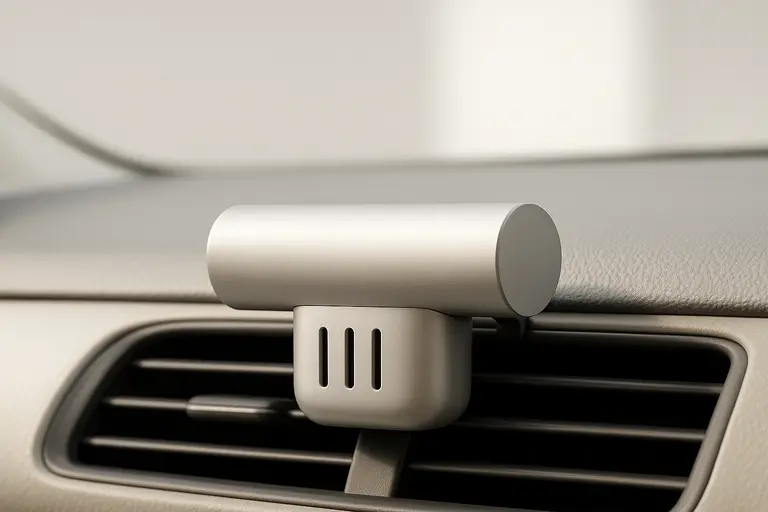
Vent Clip Diffusers
These attach directly to your car’s air vents. As air flows through, the scent spreads throughout the cabin. This method is convenient, clean, and requires minimal maintenance—simply refresh the pads with a few drops of oil.
USB-Operated Diffusers
Powered by your car’s USB port, these devices can emit cool mist infused with essential oils. They are particularly effective for long trips where you need consistent aromatic support.
Cotton Ball or Felt Pads
A few drops of essential oil on a cotton ball or felt pad tucked under the seat or inside a cup holder offers a less intense but still effective diffusion. This method is budget-friendly and easy to refresh.
Integrating Aromatherapy with Feng Shui Color Choices
In Feng Shui, color plays an equally important role as scent in shaping the atmosphere of a space. When colors and scents complement each other based on your energy needs, the result is a more powerful and harmonious driving experience.
For example, pairing calming blue seat covers (Water element) with chamomile or jasmine scent encourages tranquility and emotional fluidity. A vibrant red steering wheel cover (Fire element) combined with orange or cinnamon scent can promote passion and attentiveness during challenging drives.
If you want a personalized combination of scent and color tailored specifically to your birth chart, you can use this Car Feng Shui calculator to determine your optimal element alignments and receive actionable suggestions.
Ventilation and Fresh Air Flow
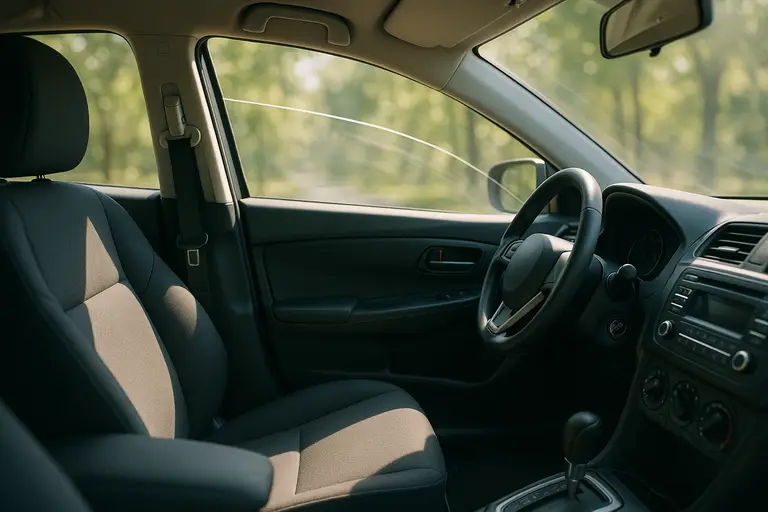
While scents are powerful, stale or overly concentrated air can have negative effects. Feng Shui emphasizes the importance of fresh Chi, which in practical terms means maintaining proper ventilation in your vehicle.
- Crack the windows slightly during your commute to let in fresh air.
- Remove lingering odors by occasionally airing out the car fully.
- Combine aroma with fresh air flow for balanced sensory stimulation.
Remember, aromatherapy is not a substitute for ventilation—mixing essential oils with circulating fresh air results in a cleaner, more refreshing driving environment.
When to Change Scents for Maximum Benefit
Just as your mood and needs change, so should the scents in your car. Over time, your mind may become accustomed to a smell, reducing its impact. Switching oils seasonally or according to changing energy goals keeps your practice fresh and effective.
- Spring: Floral and green scents to align with Wood element and renewal.
- Summer: Citrusy and spicy scents to match Fire element and vitality.
- Autumn: Earthy and warming scents to nurture stability and reflection.
- Winter: Resinous and deep scents to promote introspection and Water element’s wisdom.
Safety Considerations for Car Aromatherapy
Because a car interior is a small, enclosed space, it’s important to use aromatherapy wisely for both comfort and safety.
- Avoid overpowering scents that could cause dizziness or distraction.
- Do not apply oils directly to surfaces where they could cause damage or leave stains.
- If traveling with passengers, consider any allergies or sensitivities they may have.
- Store oils securely in a cool, dark place to prevent degradation and leaks.
Responsible use ensures that your aromatherapy practice remains beneficial and pleasant for all occupants.
Creating Your Own Feng Shui Car Ritual
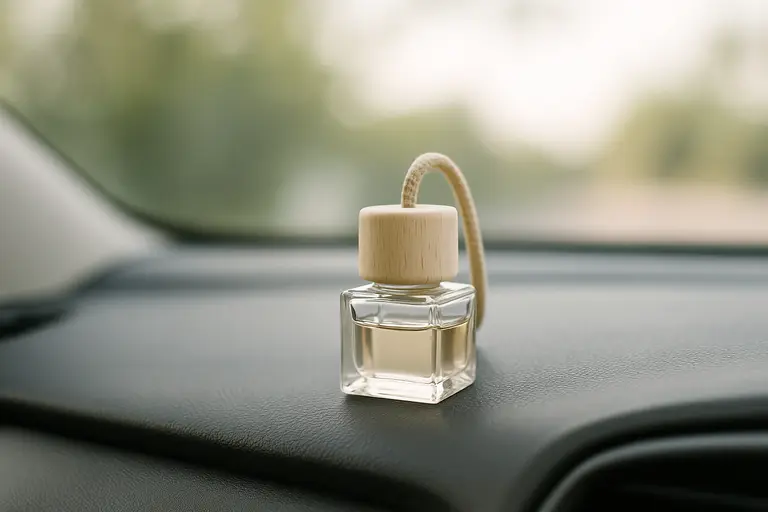
Turning your commute into a mindful ritual not only enhances your driving experience, but also helps anchor your emotional state before you reach your destination. A simple practice could involve:
- Opening the windows briefly before starting to drive.
- Applying your chosen essential oil to a diffuser or pad.
- Taking a few deep breaths to center your mind and set an intention for the journey.
- Maintaining awareness of your mood and adjusting scent intensity as needed.
Over time, this practice conditions your mind to associate entering your vehicle with entering a space of calm and focus.
Final Thoughts
Feng Shui car aromatherapy is more than an indulgence—it’s an intentional practice of shaping the energy of your driving environment. By selecting scents that align with your goals and complement the five elements, you can transform routine trips into mood-enhancing experiences.
Whether it’s calming lavender in rush hour or invigorating peppermint before a long highway drive, your scent choice can be as strategic as the route you take. Just remember to balance aroma with fresh air, keep safety in mind, and personalize your approach for the best results.
With thoughtful scent selection and mindful application, your car can become not just a means of transportation, but a moving retreat supporting your daily well-being.