Introduction to Feng Shui Colors
Feng Shui, the ancient Chinese art of arranging spaces to promote balance and harmony, places significant importance on the power of colors. In Feng Shui, colors are not chosen solely for aesthetic appeal; they are selected based on the energy they bring into a space, how they influence mood, and how they align with an individual’s personal energy patterns.
Feng Shui colors are connected to the five elements — Wood, Fire, Earth, Metal, and Water — each carrying its own meanings, vibrations, and effects on human energy. By understanding and applying the right colors, you can attract prosperity, health, love, and success into your life while reducing negative influences.
The Role of Colors in Feng Shui
In Feng Shui philosophy, colors are a way to invite specific energy qualities into a home, office, or personal aura. Every color corresponds to one of the five elements and resonates with a unique type of Qi (energy). When colors match your personal energy profile, they have the potential to amplify luck, improve relationships, and enhance well-being.
The key is using colors consciously — not randomly. While a shade may look beautiful, it could also bring imbalance depending on your elemental needs and the current energy flow in your space.
The Five Elements and Their Associated Colors
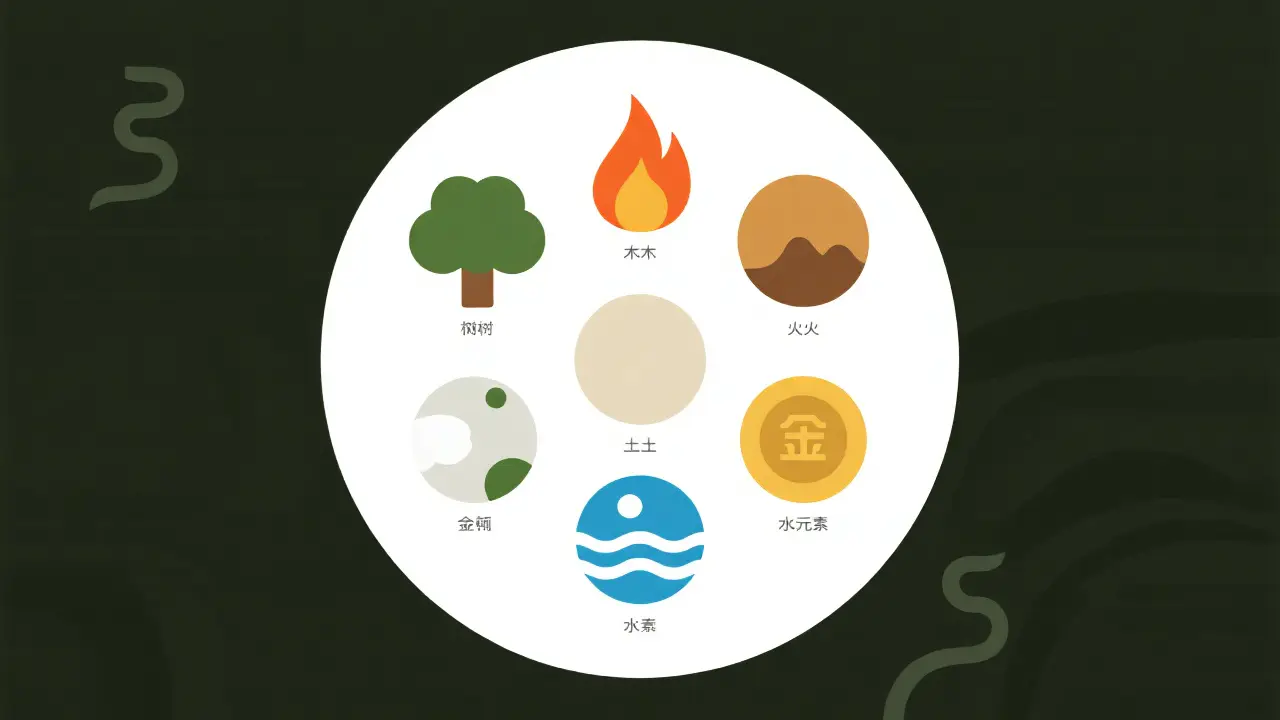
To use Feng Shui colors effectively, it is essential to understand the Five Elements Theory. Each element represents specific qualities, directions, seasons, and emotions, and is associated with certain colors that embody its energetic essence.
Wood Element Colors
Wood symbolizes growth, vitality, and renewal. It is linked to spring and is represented by shades of green and brown.
- Primary Colors: Green, teal, olive, emerald, fresh leaf green
- Energy Influence: Promotes health, growth, and vitality
- Best Use: In areas where you want to attract healing energy or personal development
Fire Element Colors
Fire is the element of passion, energy, and transformation. It corresponds to bright, warm shades like red and orange.
- Primary Colors: Red, orange, purple, magenta, pink
- Energy Influence: Encourages enthusiasm, ambition, and love
- Best Use: In spaces where you want to increase recognition, attraction, or motivation
Earth Element Colors
Earth represents stability, nourishment, and grounding energy. Soft, natural tones work best here.
- Primary Colors: Beige, sandy yellow, ochre, light brown
- Energy Influence: Creates balance, patience, and security
- Best Use: Ideal for areas where you want support, reliability, and comfort
Metal Element Colors
Metal signifies clarity, precision, and efficiency. Its colors are clean, reflective, and metallic in nature.
- Primary Colors: White, silver, gold, grey
- Energy Influence: Supports focus, mental clarity, and discipline
- Best Use: Great for offices or creative spaces where precision matters
Water Element Colors
Water embodies wisdom, flow, and communication. It is associated with deep, cool shades.
- Primary Colors: Blue, black, deep navy
- Energy Influence: Enhances intuition, relaxation, and resourcefulness
- Best Use: Calming bedrooms, meditation areas, and creative thinking zones
How to Choose the Right Feng Shui Colors for You
Choosing Feng Shui colors shouldn't be about picking your favorite shade — it should be a personalized process based on your BaZi (Four Pillars of Destiny) chart and the balance of the five elements within your energy profile. Each person’s birth date and time reveal their elemental strengths and weaknesses, which guide which colors will amplify luck and which may drain energy.
The quickest way to identify your lucky colors is to use a tool that analyzes your birth elements. For an accurate recommendation based on your BaZi, try this Feng Shui color calculator to find which colors match your personal energy.
Feng Shui Colors for Different Life Goals
Colors for Wealth and Prosperity
If your goal is to attract abundance, focus on colors that activate energy in the southeast area of your space (the wealth area in the Bagua map).
- Green (Wood element) to stimulate growth and income opportunities
- Gold (Metal element) to symbolize wealth and luxury
- Rich purple (Fire element) to enhance prosperity and high value
Colors for Love and Relationships
The southwest area of your home relates to love and partnership. The right colors can strengthen trust, passion, and harmony.
- Pink and red for passion
- White and pastel shades for purity and balance
- Peach tones to attract new romantic connections
Colors for Health and Vitality
The center of your home represents health and balance, making earthy tones and greens ideal.
- Yellow and beige for grounding and well-being
- Green for physical vitality
- Light brown for stability
Feng Shui Colors in Home Decoration
Colors influence not just how a room looks but how it feels. When decorating your home, it’s essential to match the color with both the function of the space and your elemental needs. For example, using bright red in a bedroom might create excessive energy, disrupting sleep, whereas soft earth tones would encourage relaxation.
Balance is key — using too much of a single element color can cause imbalance. For example, too much blue (Water element) might create a lack of motivation, while too much red could lead to restlessness.

Bagua Map and Color Positioning
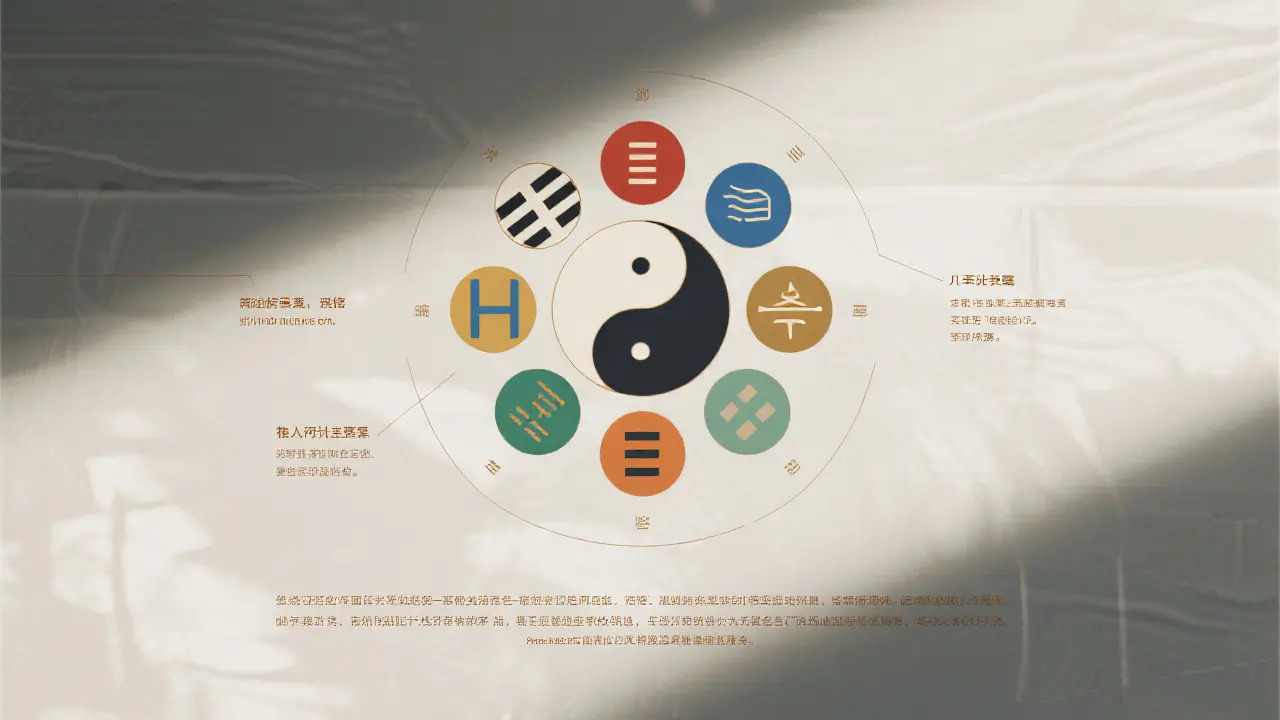
The Bagua map is a Feng Shui energy grid used to divide spaces into nine sectors, each representing different life aspects such as wealth, career, fame, relationships, and health. Each of these areas corresponds to a specific element, and therefore to certain colors.
By overlaying the Bagua map on your floor plan, you can apply the corresponding colors in their respective sectors to stimulate the desired type of energy in that area.
Common Mistakes When Using Feng Shui Colors
- Overusing intense shades: Too much of a vibrant color can overstimulate energy, causing imbalance.
- Ignoring personal energy profile: Using a color that doesn’t suit your elemental balance can weaken your Qi.
- Decorating without intention: The meaning of each color matters — random application may lead to contradictory energies.
- Neglecting natural light: Colors look different under various lighting conditions, which can affect energy flow.
How to Incorporate Feng Shui Colors Beyond Home Decor
Feng Shui colors can influence every aspect of your life, not just your home environment. Wearing your lucky colors, using them in accessories, or incorporating them in personal items can help align your daily energy with positive vibrations.
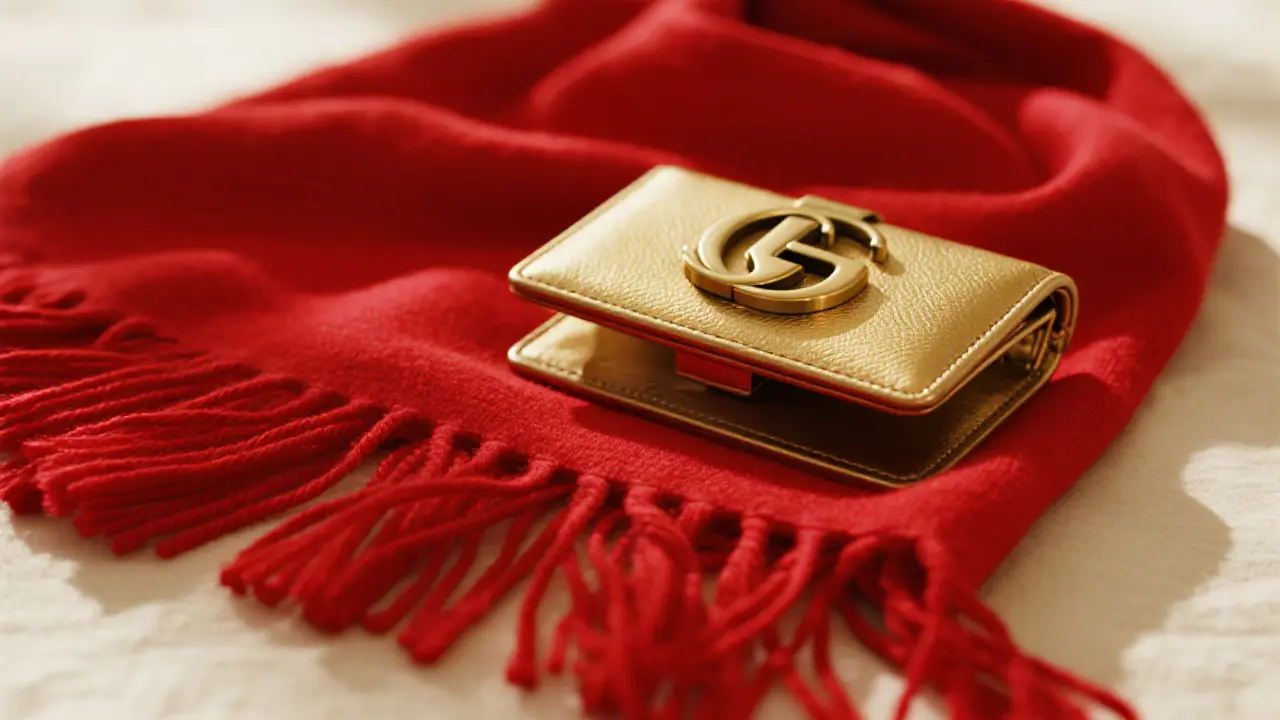
For example, if red is your lucky color, wearing a red scarf during important meetings could boost confidence and recognition. Similarly, using a wallet in metallic gold may help attract wealth energy.
Conclusion: Personalizing Your Feng Shui Color Palette
Feng Shui colors are a powerful tool for attracting luck, enhancing well-being, and shaping the energy around you. The most effective way to use them is to start with a personalized analysis of your BaZi chart to find your favorable elements and matching colors.
Remember, what works for someone else may not be ideal for you. Your own elemental balance determines which colors should dominate your living space, wardrobe, and working environment.
To discover the exact shades that boost your personal luck and happiness, you can use the personal Feng Shui color tool and bring more harmony, prosperity, and joy into your life.