Introduction to Feng Shui for Health in 2026
In 2026, maintaining health and wellbeing at home is more important than ever. Feng Shui, the ancient Chinese practice of arranging living spaces to promote balance and positive energy, offers timeless strategies that can be adapted to modern lifestyles. Beyond simple decoration, Feng Shui integrates the principles of air quality, light, and energy to create spaces where mind and body can thrive.
The health benefits of Feng Shui extend far beyond aesthetics. The right placement of furniture, selection of colors, and mindful incorporation of natural elements can help regulate stress, improve sleep, boost immunity, and encourage harmony among occupants. In this guide, we will explore practical Feng Shui health tips you can implement in 2026 to create a home that actively supports your physical and emotional wellbeing.
Air, Light, and Energy Flow for Health
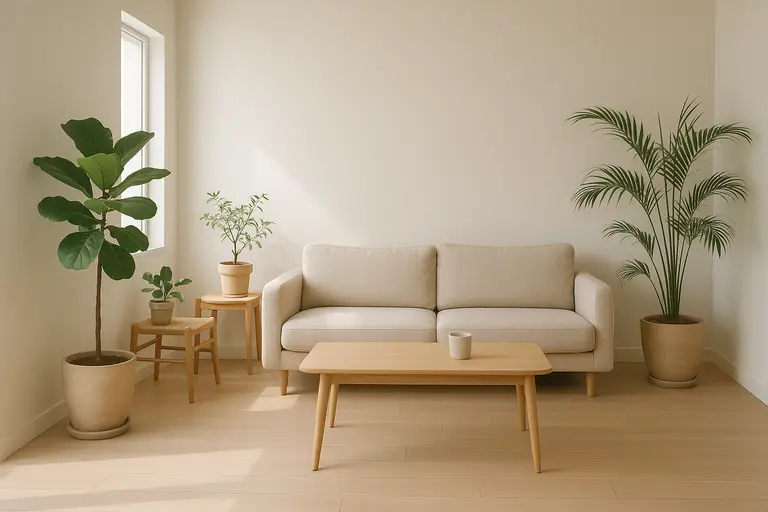
Fresh air, natural light, and unblocked energy pathways form the foundation of a healthy home. In Feng Shui, these elements are closely linked to “Chi” or life force energy. Without the right air circulation and illumination, the Chi in a space becomes stagnant, potentially affecting the health of those living there.
Optimizing Air Quality
Clean air is critical to nourishing both body and mind. In 2026, with urban environments often facing pollution challenges, integrating plants and air purifiers has become an essential step.
- Use air-purifying plants such as peace lilies, snake plants, and bamboo palms to filter toxins naturally.
- Open windows daily when outdoor air quality is good, allowing fresh oxygen to replace stale air.
- Install high-quality HEPA air purifiers in rooms where ventilation is limited.
Harnessing Natural Light
Light in Feng Shui is symbolic of vitality and activity. Maximizing daylight supports circadian rhythms and improves mood.
- Draw back curtains during the brightest times of the day to flood rooms with daylight.
- Position mirrors to reflect light deeper into the home’s interior, energizing dark spaces.
- Consider skylights or solar tubes for areas with minimal windows.
Ensuring Smooth Energy Flow
Energy must move fluidly throughout a home to support wellbeing. Blocked pathways create stagnation, while clear routes encourage vitality.
- Keep hallways uncluttered, allowing Chi to move without obstruction.
- Avoid placing furniture in direct alignment with doors, as this can disrupt energy flow.
- Maintain open space in living areas to promote freedom of movement.
Meditation and Relaxation Spaces
In 2026, peaceful retreats within the home play a vital role in stress management. Feng Shui emphasizes dedicated spaces for rest, reflection, and mindfulness to recharge the body’s energy reserves.
Creating a Meditation Corner
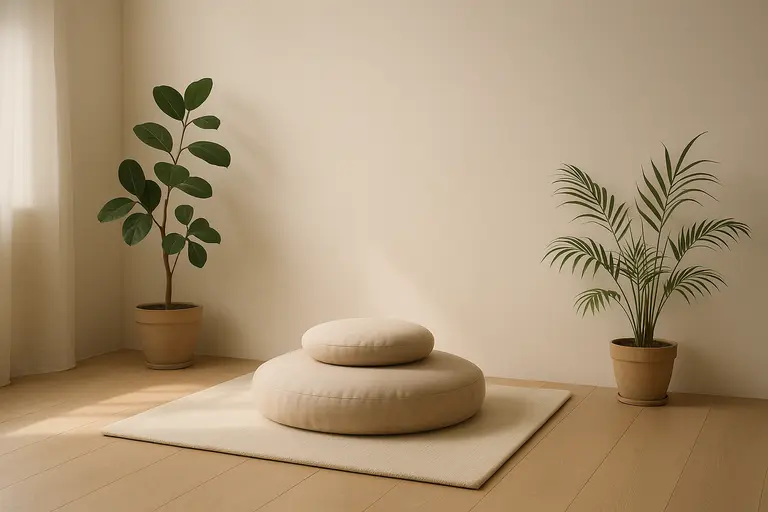
The meditation area should feel secluded yet inviting, with gentle energy and minimal distractions. The chosen location must encourage an inward focus for maximum benefit.
- Select a quiet corner away from main traffic paths, ideally facing a view of nature.
- Use soft fabrics, cushions, and rugs to enhance comfort and warmth.
- Integrate natural elements such as stones, plants, or a small water feature to connect with Earth’s calming energy.
Designing a Relaxation Room
A dedicated room for unwinding after the day can help balance the body’s energy and prevent burnout.
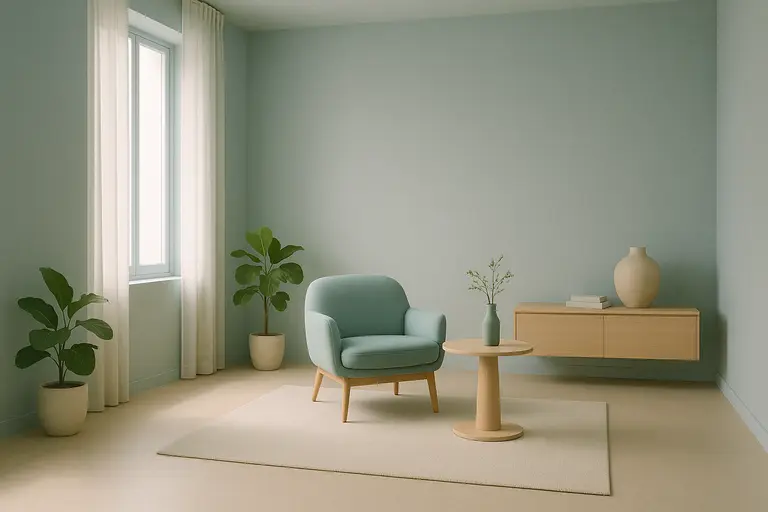
- Choose soothing colors such as light blue, pale green, or gentle beige to encourage relaxation.
- Minimize electronic devices to reduce sensory overload.
- Include low lighting options like candles or Himalayan salt lamps for a serene glow.
Avoiding Negative Energy Areas
One of the most important Feng Shui health tips is learning to identify and neutralize areas where negative energy accumulates. These spaces often feel heavy or unsettling and may impact physical or emotional stability.
Recognizing Sources of Negative Energy
Negative energy can arise from physical clutter, poor lighting, or ill-placed objects. Awareness is the first step to transformation.
- Note rooms or corners where you feel inexplicably tired or uneasy.
- Observe areas where arguments frequently occur or where pets refuse to settle.
- Check for broken items or unused belongings gathering dust, as they may block Chi.
Cleansing and Balancing Problem Areas
Once identified, problem zones can be revitalized with simple steps.
- Declutter immediately, removing objects that no longer serve a purpose.
- Refresh surfaces with cleaning and add plants or crystals that absorb heavy energy.
- Use sound therapy—such as wind chimes or gentle bells—to stir stagnant Chi.
Healthy Kitchen Feng Shui
The kitchen is often described as the heart of the home, nourishing the body through food and energy. Feng Shui proposes using this space mindfully to amplify health benefits.
- Keep the stove clean and in good working order, as it symbolizes wealth and vitality.
- Avoid placing the stove directly opposite the sink to balance fire and water energies.
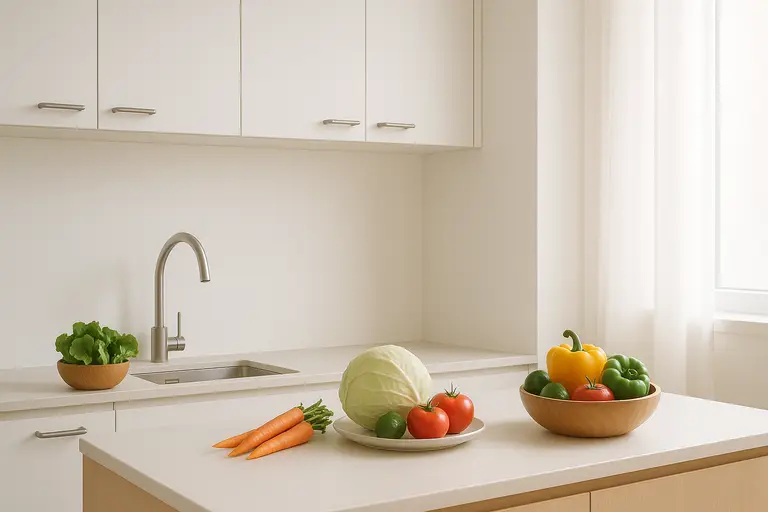
- Store fresh produce visibly to encourage healthy eating habits.
Bedroom Sanctuary for Rejuvenation
Sleep quality has a direct impact on health. The bedroom should be a sanctuary for complete rest, enabling the body to restore energy overnight.
- Position the bed so the headboard faces a solid wall without being directly aligned with the doorway.
- Use soft neutral tones to promote restful sleep.
- Minimize mirrors facing the bed, as they can cause restlessness.
Integrating Nature Indoors
Nature provides healing energy, and incorporating it indoors is essential for balanced living in 2026.
- Add indoor fountains or aquariums for the calming effect of flowing water.
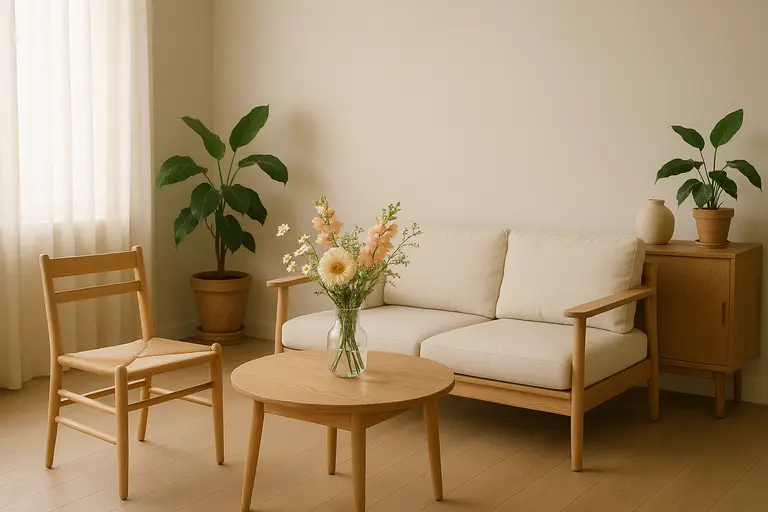
- Keep fresh flowers in living areas to attract joy and renewal.
- Integrate natural textures such as wood, bamboo, and stone in furniture and décor.
Seasonal Feng Shui Adjustments
Feng Shui is dynamic, adapting to the shifting energies of seasons. Simple seasonal updates ensure continued harmony.
- In spring, refresh décor with bright colors and fresh plants to welcome renewal.
- In summer, use light fabrics and encourage ventilation to prevent overheating.
- In autumn, introduce warm tones and additional lighting as days shorten.
- In winter, add layers of texture and cozy elements to encourage comfort and rest.
Mindful Use of Color for Health
Colors affect moods and physiological responses. Feng Shui aligns color choices with the Five Elements to balance energy.
- Blue promotes calm and is ideal for relaxation areas.
- Green supports healing and growth, making it suitable for kitchens and home offices.
- Yellow inspires optimism and is perfect for social spaces.
- Red boosts energy but should be used sparingly to avoid overstimulation.
Conclusion: A Health-Optimized Home in 2026
With the right Feng Shui principles, any home can become a sanctuary for health and wellbeing. By enhancing air and light, creating dedicated spaces for rest, avoiding negative energy areas, and integrating nature, you invite vitality and balance into your daily life.
In 2026, our homes are not merely shelters—they are active participants in our health journey. Intentional design, grounded in centuries-old wisdom and adapted for modern needs, ensures that every corner supports the mind, body, and soul.