What “Fengshui” Really Means
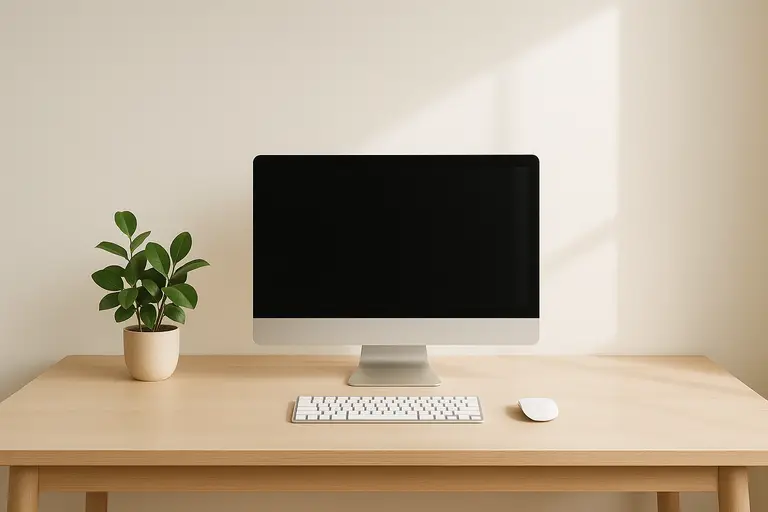
Fengshui (literally “wind-water”) is an ancient Chinese practice for arranging spaces so energy (qi/chi) flows well, supporting health, relationships and prosperity. It’s not just decoration — it’s a system of placement, elements, and balance that maps intention onto the physical world.
How the old system fits modern life
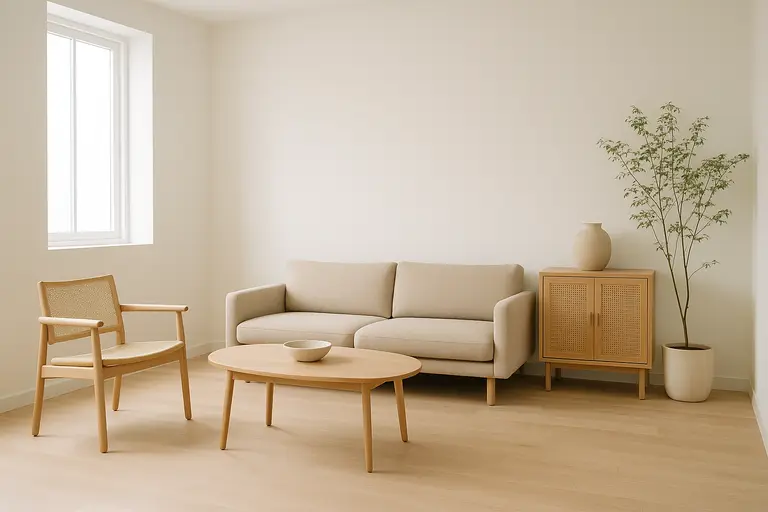
Traditional tools like the Bagua, the Five Elements (wood, fire, earth, metal, water), and compass directions remain useful, but modern feng shui adapts those ideas to apartments, remote work setups and digital clutter. Practitioners now translate classical theory into practical layout decisions for small urban homes and home offices.
Why 2024–2025 feels different
Contemporary feng shui commentary points to a multi-decade energy shift (Period 9, 2024–2043) and year-by-year updates (for example, 2025’s Wood Snake themes). These cycles influence which areas of life practitioners emphasize — from creativity and tech to letting go of old patterns. If you follow annual feng shui forecasts, they’re used as a prompt for decluttering, refreshing layouts, and re-focusing intentions.
Core principles (quick)
- Clear the path: uncluttered circulation for smoother qi.
- Balance elements: mix wood, fire, earth, metal, water to match purpose.
- Command position: place key furniture (desk, bed) so you can see doors without being in direct line with them.
- Remove “poison arrows”: soften sharp angles and direct lines that create stressful energy.
12 Practical Fengshui Tips You Can Use Today
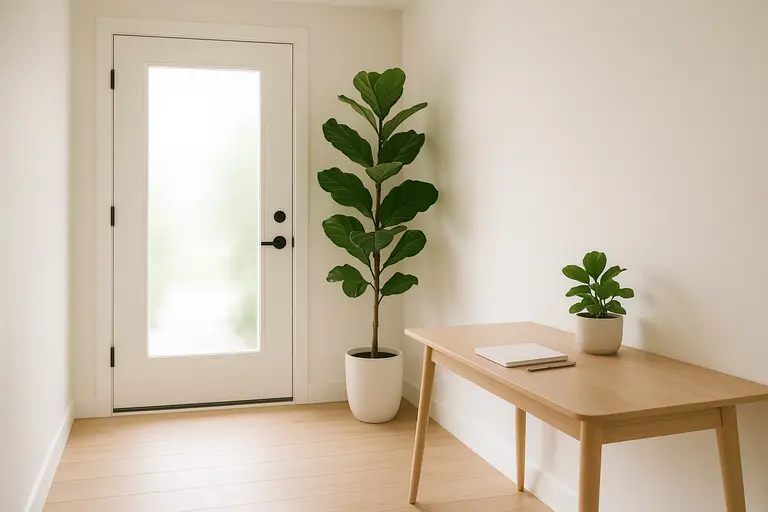
- Entry clarity: keep the front door area clean and well-lit — this is the primary “welcome” for opportunity.
- Command position for desks: face the room or door; support your back with a solid wall for stability.
- Headboard matters: put your bed against a solid wall; avoid windows or direct door alignment for restful sleep.
- Declutter digital life: apply feng shui to screens — organize files, limit notifications, and create “digital quiet” zones.
- Use plants: live greenery brings wood energy and improves air & focus (ideal near work areas).
- Mirror placement: mirrors expand light but avoid placing one directly facing an entry or the bed; position them thoughtfully to redirect, not expel, energy.
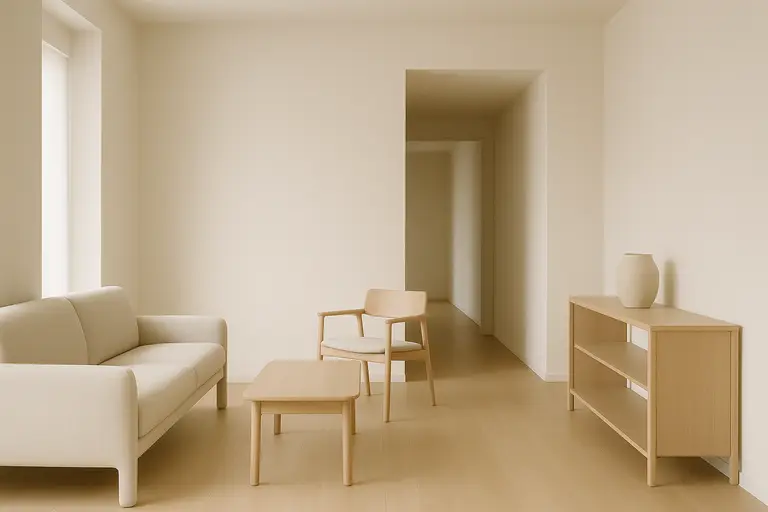
- Fix “poison arrows”: soften sharp corners with rounded furniture, rugs or plants.
- Balance light & air: maximize natural light and airflow; use layered lighting to create warmth.
- Color by intent: choose colors that support the room’s function (green for growth, blue for calm, red accents for activity).
- Wealth area: keep the southeast tidy and symbolically “active” (plants or a small water feature where practical).
- Personal altar or intention corner: a small, dedicated spot for your goals or gratitude helps anchor daily focus.
- Seasonal refresh: once per quarter, reassess and move items to reflect changing needs — this mirrors the “shedding/renewal” energy many feng shui writers recommend for 2025.
Common myths — and what actually helps
Myth: Feng shui is only superstition or expensive decorating.
Reality: Many feng shui recommendations are evidence-friendly: improving light, reducing clutter, adding plants, and arranging sightlines all reduce stress and support productivity. Use pragmatic changes first, then layer symbolic or seasonal practices if they resonate with you. Quick checklist (printable)
- Front door: clean, clear, light — yes / no
- Desk placement: can you see the door? yes / no
- Bedroom headboard: solid wall? yes / no
- Clutter hotspots: cleared this week? yes / no
- Plants: 1+ in living/work area? yes / no
Where to learn more (starter resources)
Look for modern feng shui guides that explain classical ideas (Bagua, Five Elements) in plain language and show examples for apartments and home offices. If you want a yearly update, read a short forecast from a reliable practitioner (they often highlight which areas of life to prioritize each year).
Final thought
At its best, feng shui is a low-cost, high-impact habit: a short session of decluttering, a better desk angle, or a plant can change how you feel in a room. Use the core idea — arrange your space to support your goals — and treat tradition as a flexible toolkit, not a rigid rulebook.