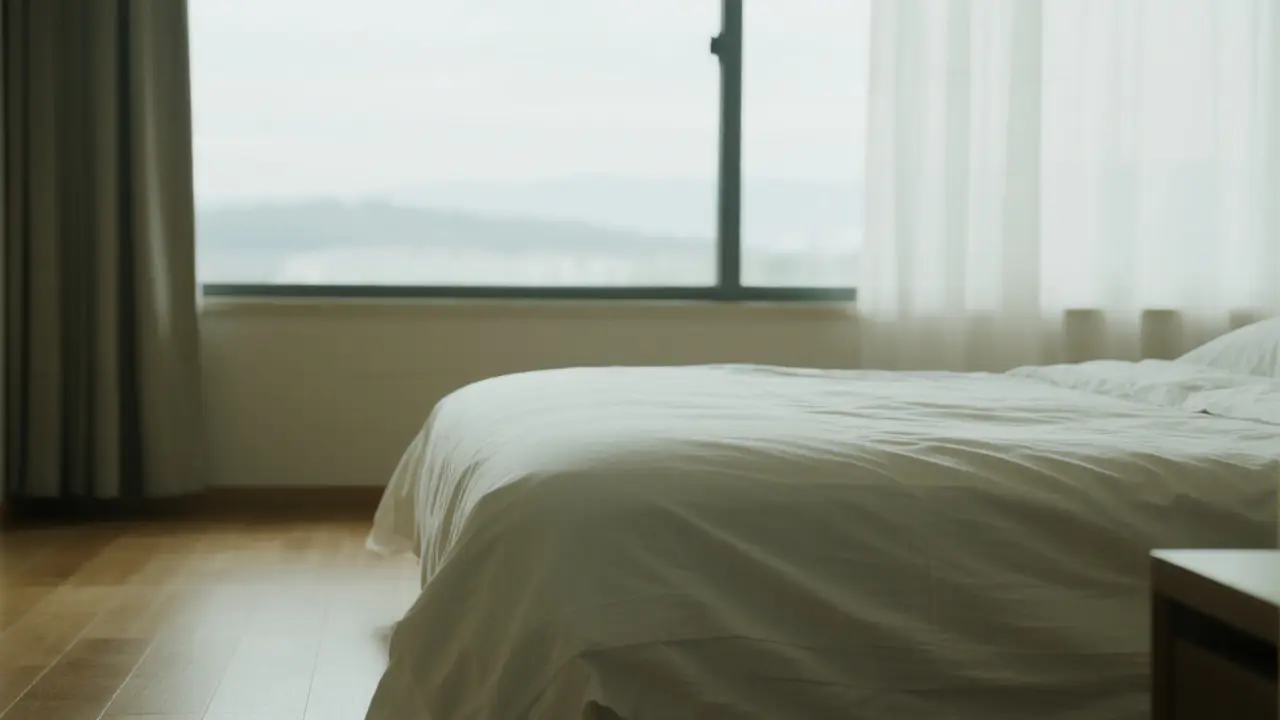
Introduction to Feng Shui in the Bedroom
The bedroom is a sanctuary where you recharge your body and mind. According to the ancient Chinese art of Feng Shui, your bedroom layout plays a significant role in influencing rest, health, and relationships. A carefully designed bedroom can enhance peace, comfort, and positive energy, while a neglected one can lead to stress and imbalance.
In Feng Shui philosophy, the bedroom is associated with love, intimacy, and recovery. This makes its arrangement more important than many other rooms in the home. From bed placement to lighting and choice of colors, every element can either harmonize or disrupt energy flow.

Core Feng Shui Principles to Guide Your Bedroom Design
Before deciding where your bed goes or which colors to paint your walls, it’s essential to understand the principles that form the foundation of Feng Shui. These rules will guide each design decision and create a balanced energy in your personal space.
The Concept of Chi
Chi, also known as life force energy, should flow calmly through your bedroom. Clutter, sharp corners, and obstacles create blockages, making you feel restless and fatigued.
The Balance of Yin and Yang
In the bedroom, Yin energy (soft, slow, nurturing) should dominate to promote rest. However, a subtle presence of Yang (bright, active) ensures the space is not too passive or stagnant.
The Five Elements
Wood, Fire, Earth, Metal, and Water are the five Feng Shui elements. Each should be represented in small, harmonious ways through colors, textures, and décor. This balance fuels positive relationships, vitality, and restorative sleep.
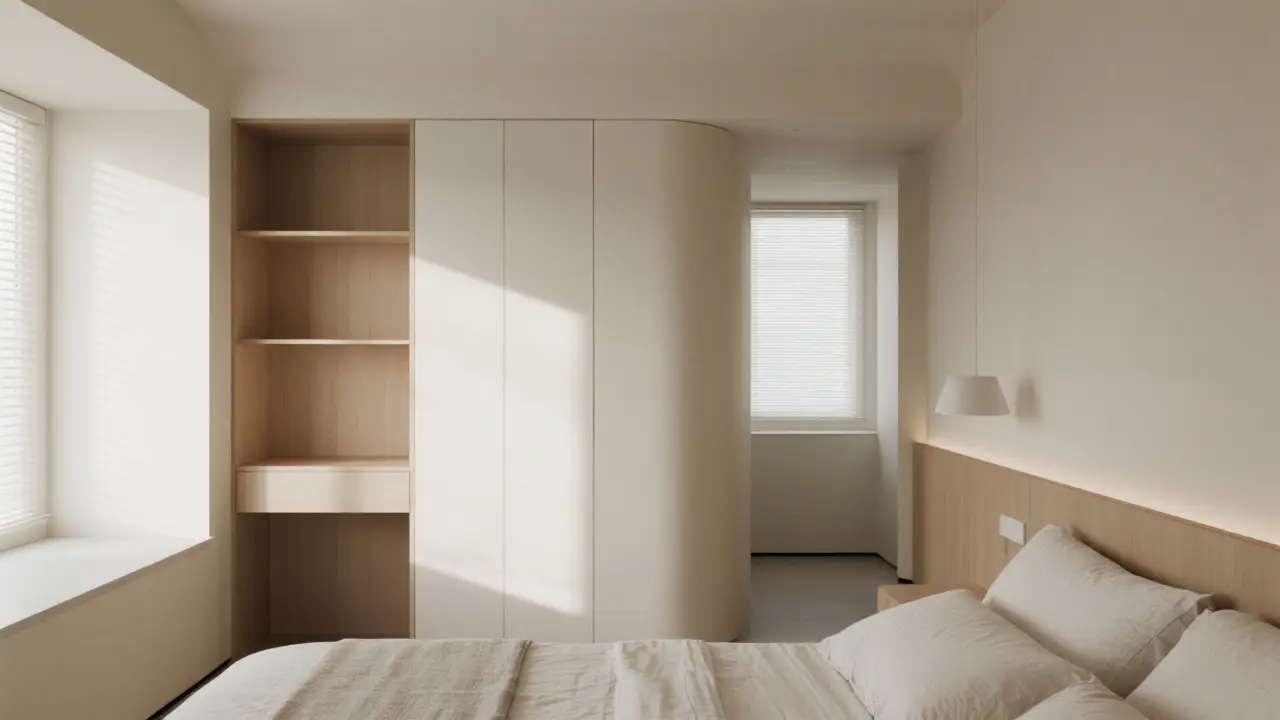
Optimal Placement of the Bed
Bed placement is arguably the most important aspect of Feng Shui in the bedroom. It affects your sense of safety and your energy during sleep.
The Commanding Position
In Feng Shui, the bed should be placed in a commanding position. This means:
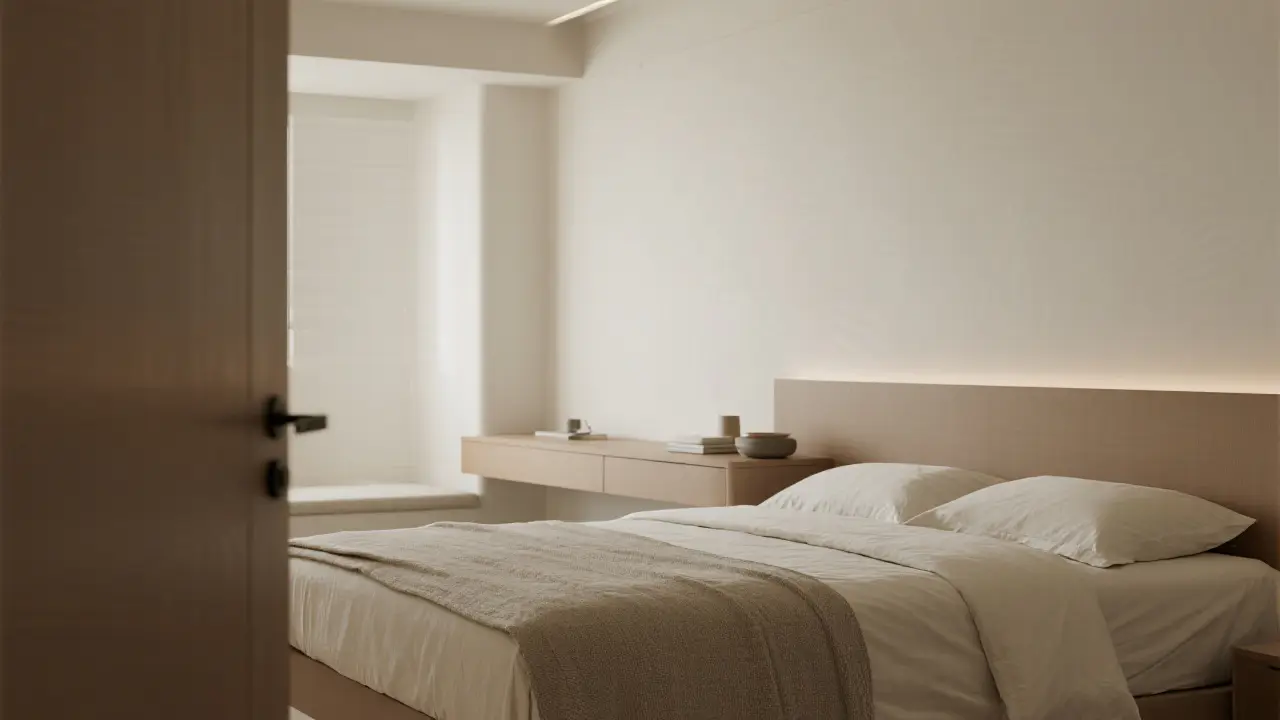
- The bed should be diagonally opposite from the door, so you can see the entrance without being directly in line with it.
- The headboard should be against a solid wall for support and stability.
- Leave space on both sides of the bed to promote balance and equal partnership in relationships.
What to Avoid
- Do not align the bed directly with the door; this is known as the “coffin position” in Feng Shui and can lead to restless sleep.
- Avoid placing the bed directly under a window as it may make you feel unsupported and vulnerable.
- Stay away from positioning your bed under heavy ceiling beams, as they can create a oppressive feeling.
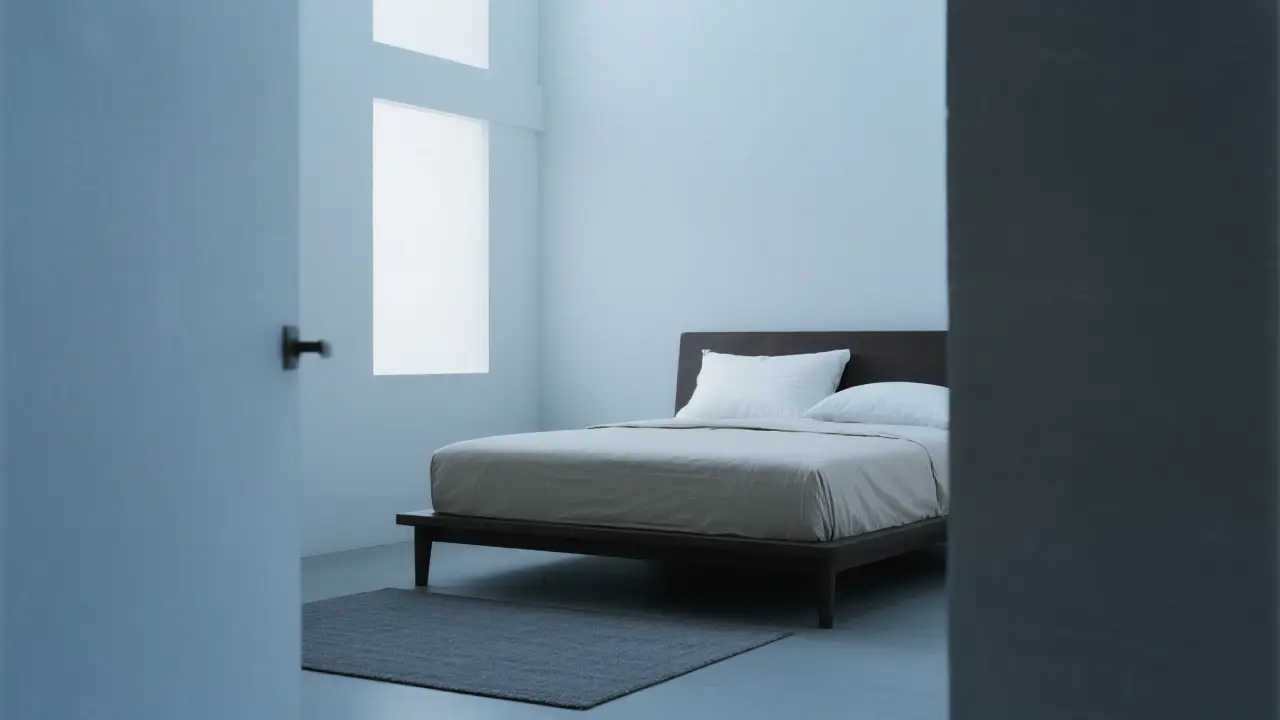
Clearing and Organizing the Space
A cluttered bedroom not only looks distracting but also holds stagnant energy that can disrupt your peace and wellbeing. Clearing your space is the first step toward a healthier energy flow.
Decluttering Tips for Better Feng Shui
- Remove items you no longer use or love. Objects carry energy, and unused items can contribute to stuck Chi.
- Keep under-bed storage minimal and free of emotionally charged objects to allow energy to circulate.
- Organize closets and drawers to prevent hidden clutter from impacting the room’s atmosphere.
Cleaning as Energy Reset
Regularly dusting, vacuuming, and refreshing your sheets doesn’t just make your room look inviting; it also symbolically wipes away old energy and invites in the new.
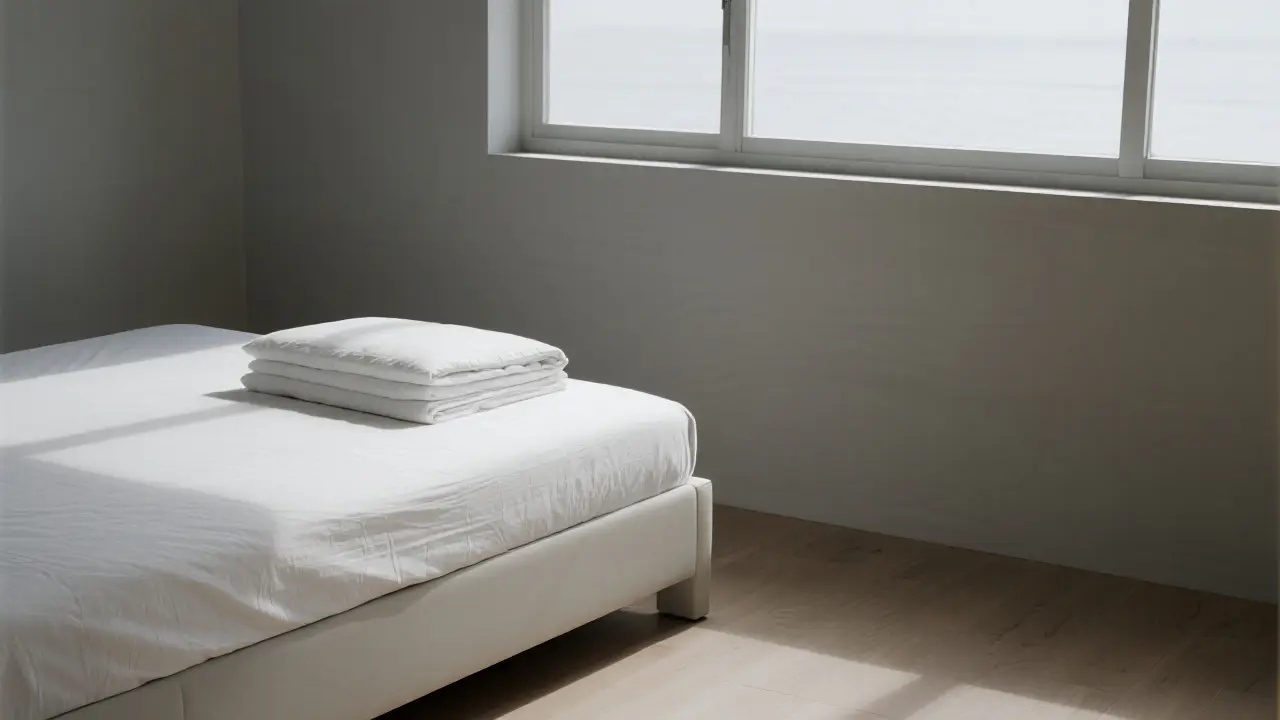
Choosing a Calming Color Palette
Colors influence mood and energy. In a Feng Shui bedroom, color choices should be guided by the energies you want to encourage, with a focus on soothing tones.
Best Feng Shui Bedroom Colors
- Soft earthy tones like beige, cream, and light brown for stability and comfort.
- Muted blues and greens for healing and renewal.
- Light pink or peach for romance and warmth.
Colors to Use Carefully
- Bold reds may overstimulate; use them as accents if you wish to add passion.
- Bright white should be warmed with texture or secondary tones to avoid sterility.
- Dark or heavy hues may weigh down the space unless balanced with light furniture and décor.
Lighting for Positive Energy Flow
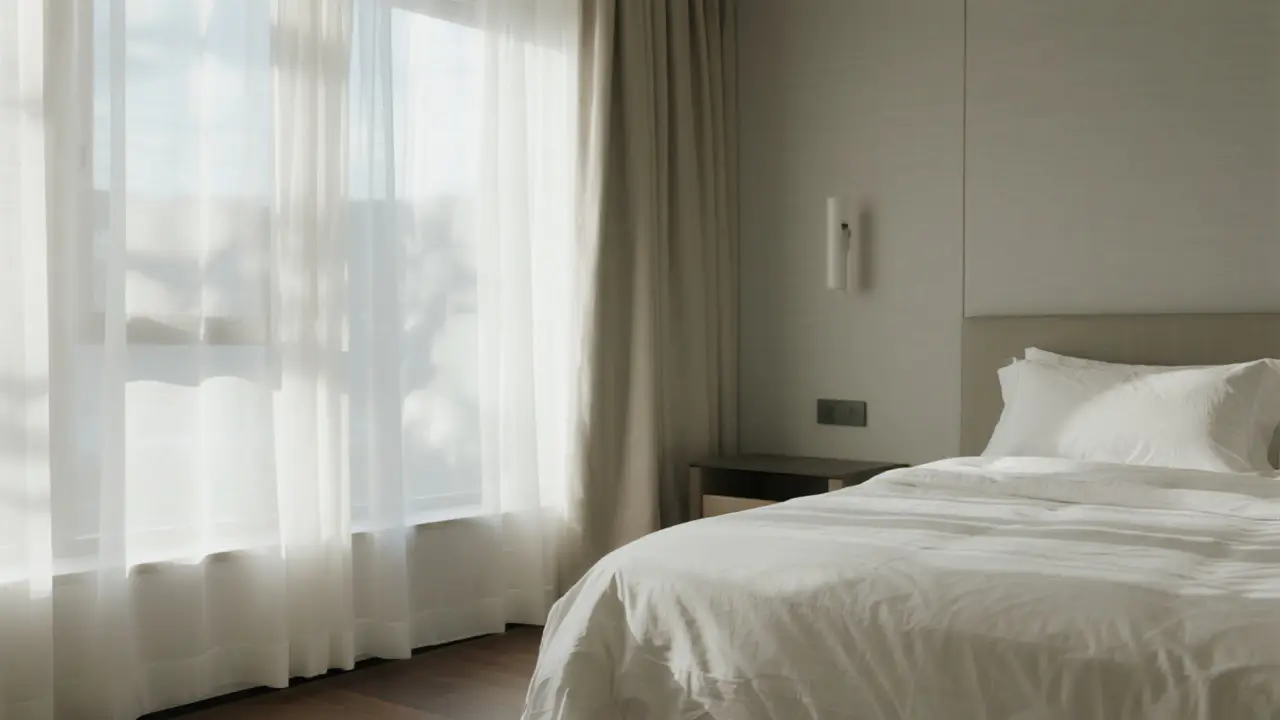
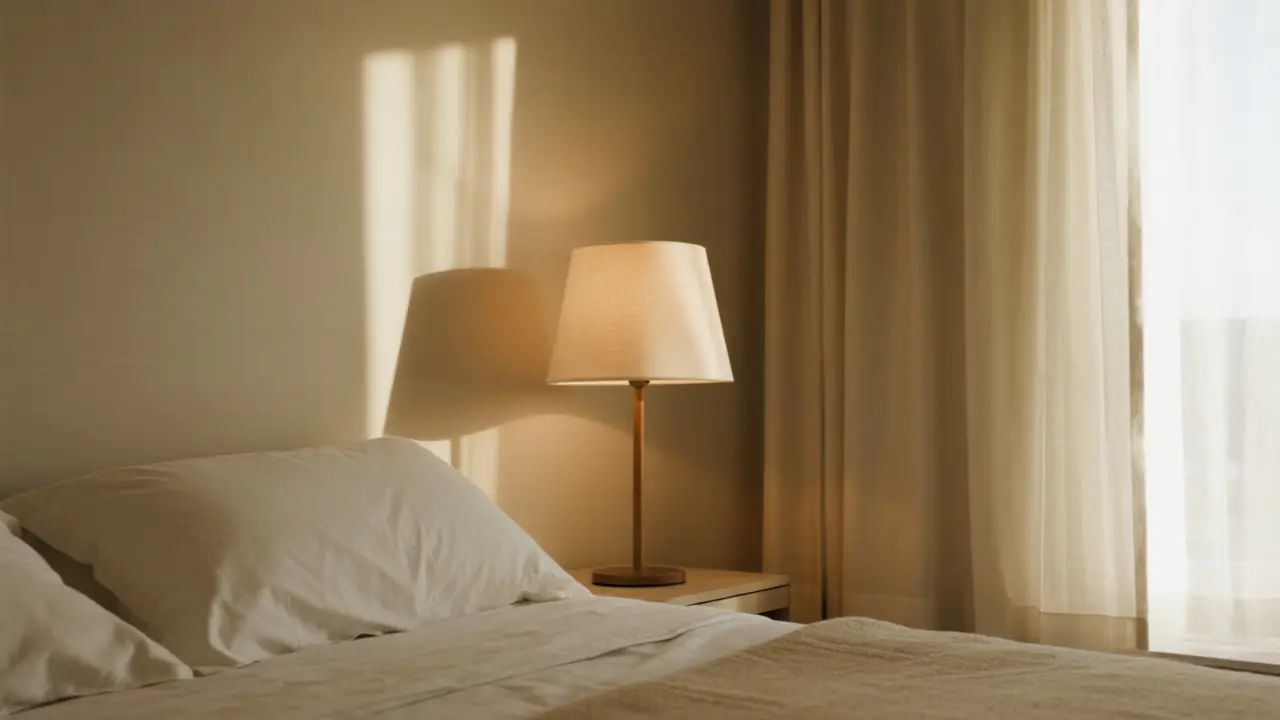
Lighting is more than functional—it directly affects the energy and mood of your bedroom. The goal is to create a layered, adjustable lighting plan that supports relaxation at night and brightness in the early morning.
Feng Shui Lighting Tips
- Use soft, warm bedside lamps to promote relaxation.
- Incorporate natural light during the day by keeping windows unobstructed.
- Add dimmers to overhead lights to control energy levels in the room.
What to Avoid in Lighting
- Fluorescent lighting, which can create harsh, unnatural energy.
- Overly bright lights at night, which may disrupt sleep cycles.
Furniture Placement and Décor Tips
Beyond the bed, other furniture choices and placements also influence bedroom energy. Everything from your nightstand to your dresser should be positioned to allow flow and minimize obstacles.
Practical Furniture Layout Guidelines
- Allow clear walkways around the bed to support free-flowing Chi.
- Position mirrors thoughtfully; never place them directly facing the bed, as they can disturb rest.
- Keep electronics to a minimum to reduce EMF exposure and mental stimulation.
Décor That Enhances Feng Shui
- Include artwork that evokes calmness and happiness.
- Use pairs of objects—such as two nightstands or matching lamps—to symbolize balanced relationships.
- Add plants cautiously; choose gentle, rounded-leaf plants rather than spiky ones.

Enhancing Relationships Through Feng Shui
A well-arranged bedroom can strengthen relationships by fostering intimacy and harmony. This is one of Feng Shui’s most appealing aspects for couples.
Relationship-Enhancing Feng Shui Practices
- Opt for a queen or king-sized bed with equal access from both sides.
- Use soft, inviting bedding in relationship-supporting colors like blush or soft gold.
- Keep personal and work items out of the bedroom to avoid mixing energies.
Using Modern Tools to Perfect Your Feng Shui Layout
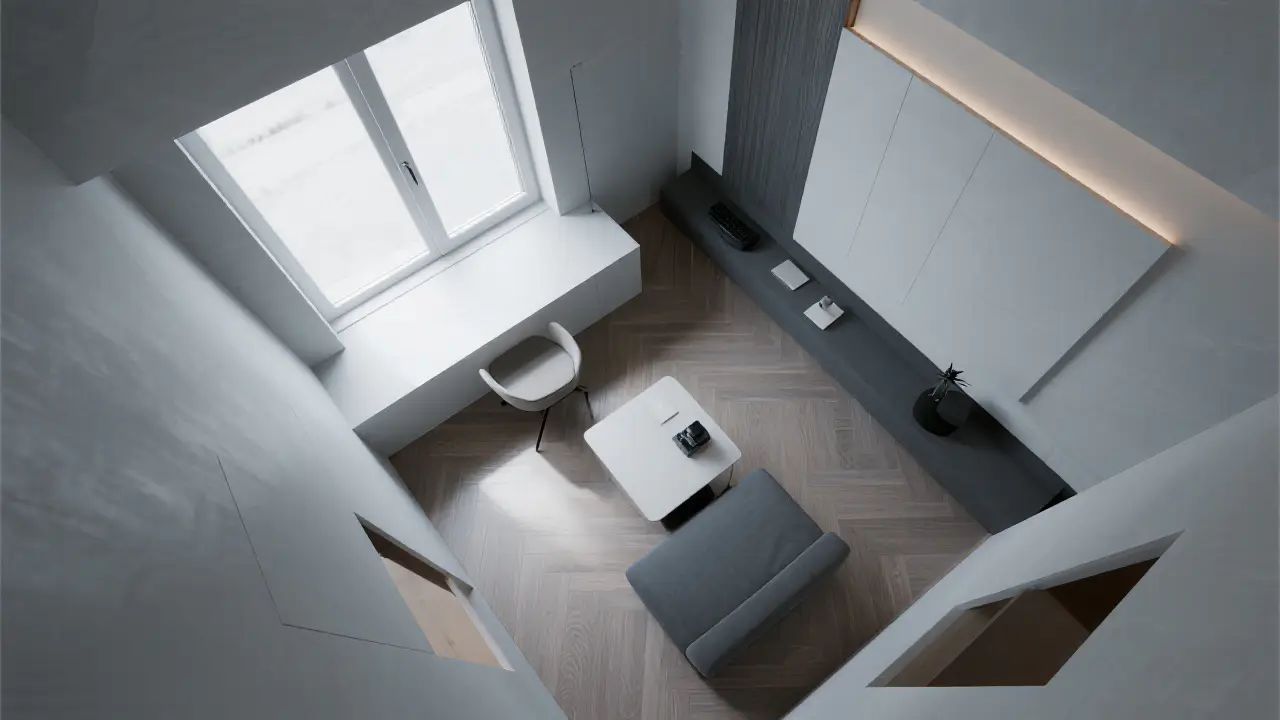
Applying Feng Shui principles can feel overwhelming, especially in oddly shaped rooms or compact spaces. Fortunately, technology can simplify the process by visually guiding you through optimal layouts.
One effective solution is to use an online feng shui bedroom generator. With this tool, you can upload your bedroom floor plan and receive personalized Feng Shui recommendations. This ensures your layout aligns with traditional principles and suits your unique space.
By leveraging AI analysis, you can avoid common Feng Shui mistakes, identify ideal bed placement, and adapt color and décor suggestions to your personal style while maintaining energetic balance.
Common Feng Shui Bedroom Mistakes to Avoid
Even with the best intentions, some design choices can counteract good energy and diminish the benefits of a harmonious layout.
Top Mistakes and Why They Matter
- Positioning the bed in direct line with the door.
- Using excessive mirrors facing the bed.
- Cluttering the room with work-related or fitness equipment.
- Ignoring the balance between Yin and Yang energies.
Bringing It All Together
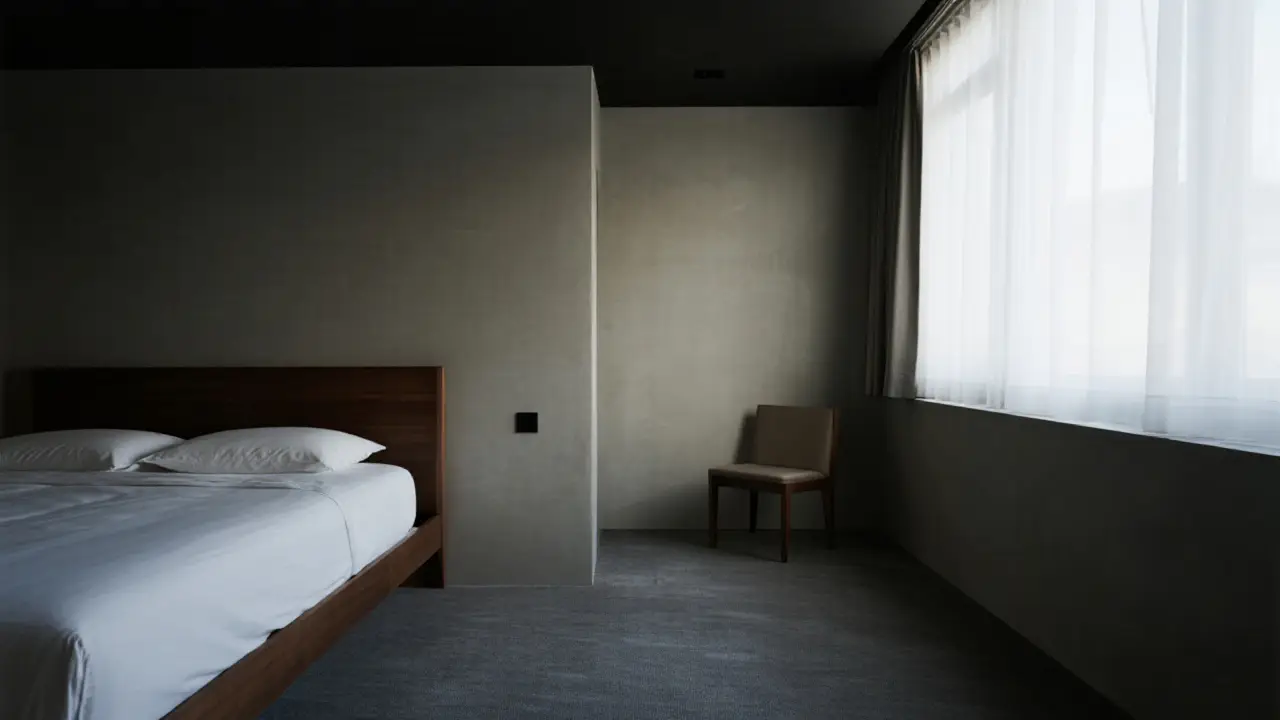
Creating the best Feng Shui bedroom layout involves more than following a set of arbitrary rules—it is about understanding the subtle interaction between your environment and your personal energy. By mastering bed placement, choosing harmonious colors, keeping the space clutter-free, and selecting décor with intention, you can transform your bedroom into a nurturing retreat.
Whether you follow traditional methods or integrate practical AI tools like the feng shui bedroom generator, your commitment to creating a balanced environment will reward you with deeper rest, improved mood, and stronger relationships.