Introduction: Feng Shui is often thought of as simply arranging furniture for luck, but in reality it’s a much deeper practice. Rooted in ancient Chinese philosophy, feng shui encompasses the flow of energy (qi) in our environment, the balance of natural elements, and even our personal intentions. This comprehensive system is about creating harmony between a person and their surroundings to invite health, prosperity, and positive vibes into all areas of life. In this article, we’ll debunk the misconception that feng shui is only about home layout, explore how it involves personal energy and mindset, discuss symbolic feng shui items like bracelets and décor, explain the saying “一命二运三风水” (Destiny, Luck, Feng Shui), and see how modern technology – AI tools and apps – are bringing feng shui into the digital age. By the end, you’ll understand feng shui as a holistic art that goes beyond interior design, bridging ancient wisdom with personal energy and even artificial intelligence.

Understanding Feng Shui as a Holistic Energy Practice
Feng shui (風水, meaning “wind and water”) is an ancient Chinese practice of designing spaces to harmonize energy. It’s about much more than where your sofa or bed goes. In essence, feng shui focuses on arranging your environment to create balance and enhance the flow of positive energy (qi) . How you position elements like doors, furniture, and decor can affect your well-being, relationships, and success. Proper feng shui alignment brings harmony, stability, and good fortune into your life .
Importantly, feng shui is not just interior decorating or a set of superstitions – it’s a comprehensive system that accounts for various factors both visible and invisible. Classic feng shui considers the balance of the five elements (water, fire, wood, earth, metal), yin and yang energy, and the influence of geography and climate on a space . It’s about optimizing the flow of chi in your surroundings and ensuring that every object, color, and placement supports a specific intention or area of life. In other words, feng shui involves more than rearranging furniture or adding lucky objects – it requires understanding the principles of energy flow and harmony behind each arrangement . By viewing feng shui holistically, we see that it touches on architecture, interior design, ecology, and even psychology, all with the goal of fostering a supportive environment for the people living in it.
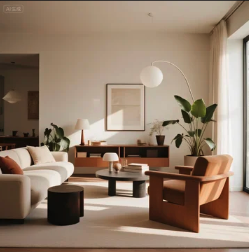
Common Misconceptions: More Than Just Moving Furniture
One of the biggest misconceptions is that “feng shui = furniture placement.” While placement is one aspect, it’s only the tip of the iceberg. Myth: Feng shui means putting your couch in the “right” spot and instantly getting rich. Fact: Feng shui is about creating a balanced environment where energy flows smoothly, which may involve furniture placement but also color schemes, lighting, natural elements, and eliminating clutter. As one feng shui expert notes, arranging a harmonious space is important, “but it is so much more than just the aesthetic we see – it is about invisible energy.” Feng shui deals with how a space feels as much as how it looks. Simply moving a bed will not change your life unless the overall energy of the room is addressed.
Another misconception is that feng shui is a quick fix or a form of magic. In reality, think of it as supportive design: it won’t instantly bring wealth or love without your own effort, but it creates an environment that nurtures positive outcomes. For example, good feng shui in a home office might enhance focus and confidence, helping you perform better (but you still have to do the work). Likewise, aligning your bedroom for calmer energy can improve sleep and relationships, but it’s not a substitute for communication or medical care. In short, feng shui is one tool among many for self-improvement – it works best alongside practical action and a positive mindset . By clearing up these misunderstandings, we can appreciate feng shui’s true scope: it’s a blend of art and science aimed at fostering well-being, not a one-time gimmick.

Energy Flow and Personal Mindset in Feng Shui
At its core, feng shui is about energy. Every space has an emotional resonance – think of how a cluttered, dark room can make you feel stuck, versus an airy, sunlit room that uplifts your mood. Feng shui practitioners read these energies and make adjustments to encourage beneficial chi flow. This might mean opening up pathways so energy (and people) can move freely, using plants or water to refresh stagnant areas, or adding lighting and color to energize a dull corner. The intent is to have chi meander gently like a stream, not rush or stagnate, creating a space that feels nurturing and alive.
Just as important is the personal mindset and intention behind feng shui. The practice isn’t purely external – it invites you to clarify your goals and align your mental energy with your surroundings. For instance, if you set up a wealth corner in your home with symbols of prosperity, you’re also training your mind to focus on abundance. Similarly, a clean, orderly space helps clear your mind; you become more centered and positive. Many feng shui enthusiasts find that the very act of adjusting their home leads to a shift in their attitude – letting go of clutter can symbolically mean letting go of past baggage, and placing meaningful objects can reinforce one’s aspirations daily.
Ultimately, feng shui works hand-in-hand with personal intention. The environment cues your mindset, and your mindset in turn interacts with the environment. Wearing or displaying a feng shui charm, for example, isn’t a passive act – it’s a form of intention-setting. By mindfully placing a certain object or wearing a certain color, you’re reminding yourself of the change you want to invite (be it love, health, or opportunity). In this way, feng shui extends into the personal realm: it’s about managing your own energy and thoughts as much as your physical space. When you combine a harmonious environment with a focused, positive mindset, feng shui’s effects are amplified.
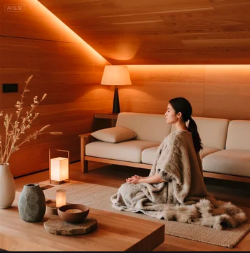
Fengshui Bracelets and Symbolic Décor: Harnessing Energy with Objects
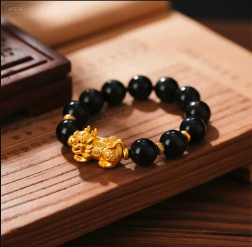
A Feng Shui black obsidian Pixiu bracelet, a popular charm said to attract wealth and protection. In feng shui, objects are not mere decorations – they are tools to shift energy, invite blessings, and ward off misfortune . Practitioners use a variety of symbolic items to enhance positive qi or cure negative influences in a space. For example, crystals, wind chimes, mirrors, plants, fountains, and statues of auspicious creatures are all classic feng shui cures or enhancers. Each item carries an intention or element that it represents. Placing a healthy plant in the East sector might boost growth and vitality, while hanging a Bagua mirror on your front door can deflect harsh outside energies. These aren’t magic talismans by themselves; their power comes from the symbolism they hold and the conscious intention with which you use them.
One category of feng shui items gaining popularity is feng shui jewelry, especially feng shui bracelets. These bracelets are often made of specific gemstones and charms chosen for their energetic properties. Rather than being mere fashion, a feng shui bracelet is designed to act as a personal energy enhancer. The stones and symbols are believed to balance certain elements or attract certain types of luck in the wearer’s life. For instance, a bracelet of green jade (wood element) might be worn to promote growth and health in one’s career, whereas a red string or red agate (fire element) bracelet could be for boosting passion and motivation. Many feng shui bracelets feature combinations of gems to balance the Five Elements in one’s personal energy field.
A well-known example is the black obsidian Pixiu bracelet (like the one pictured above). It’s made with black obsidian beads (a protective stone) and a golden Pixiu charm – Pixiu (貔貅) is a mythical dragon-like creature famous in Chinese folklore as a wealth guardian. According to legend, the Pixiu never expels what it swallows (it has no anus), so it gobbles up riches and keeps them – symbolizing money coming in and not going out . Wearing a Pixiu fengshui bracelet, therefore, is said to attract wealth luck and also protect the wearer from negative energy or financial loss. Feng shui bracelets like this are crafted with the idea that they bring balance and positive energy into the wearer’s life . The combination of crystals, elements, and auspicious symbols work on an energetic level to tune the wearer’s personal qi toward desired goals (prosperity, love, health, etc.).
It’s important to note that the effectiveness of these items is closely tied to the user’s belief and intention. Feng shui teaches that mindfulness in using these symbols matters. For example, simply buying a feng shui bracelet isn’t enough — one should “activate” it by setting a clear personal intention. As one guide explains, wearing such a bracelet is not just decorative, “it’s a wearable practice of intention-setting” that keeps your goals and positive affirmations on your mind . By consciously associating a bracelet or any feng shui item with a certain outcome (say, calmness or confidence), you align your own energy with that outcome every time you see or touch the object. This blend of the physical symbol and the psychological reminder is what makes feng shui objects powerful. Whether it’s a laughing Buddha statue on your shelf or a rose quartz crystal under your pillow, these tools help you focus and direct energy in beneficial ways.
“一命二运三风水”: Destiny, Luck, and Feng Shui’s Influence

There is a popular Chinese saying: “一命二运三风水” (yī mìng, èr yùn, sān fēngshuǐ), which translates to “First Destiny, Second Luck, Third Feng Shui.” This ancient proverb ranks the three factors believed to shape a person’s life: inherent fate, changing luck, and environmental feng shui . Let’s break down its meaning and see why feng shui – though “third” – is so significant:
- Destiny (命, Mìng) – This refers to the fixed aspects of your life determined by birth. Your family background, genetics, birth chart (like the Bazi or Four Pillars in Chinese astrology) all fall under destiny. These are factors you cannot change – the cards you were dealt at birth. Destiny is considered the foundation of one’s life path .
- Luck (运, Yùn) – Luck represents the cycles of fortune that ebb and flow throughout life. Unlike destiny, luck can change with time – some years or periods are easier, others are more challenging. Hard work and being prepared can help you capitalize on good luck when it comes, but luck by nature is somewhat unpredictable. It introduces variability on top of your destined foundation .
- Feng Shui (风水) – Feng shui is the environmental factor, essentially the energy of the spaces where you live and work. This is placed third, but it’s crucial because it’s something you can actively adjust to support your destiny and luck . Feng shui is about creating an “environmental harmony” that complements your innate traits and the current luck cycle you’re in . In other words, even if you can’t change your birth or immediately control luck, you can change your surroundings to improve outcomes.
According to this wisdom, adjusting your feng shui can positively influence your life by maximizing the support you get from your environment. Think of destiny as your starting point, luck as the changing weather, and feng shui as the ship you sail in. You can’t change where you started or the weather that’s coming, but you can build a sturdier ship or adjust its sails. Good feng shui essentially means you have the wind at your back. By optimizing spatial energy (Qi) around you, you create conditions that help good opportunities “stick” and challenges diminish. For instance, living in a home with nourishing feng shui might improve your health and mood (making you more likely to seize opportunities when luck permits), whereas bad feng shui (say a constantly dark, damp, noisy apartment) could sap your energy and amplify misfortune during tough luck cycles.
Modern feng shui experts emphasize this proactive role: fate is given, luck is variable, but feng shui is the factor you can improve to tilt the odds in your favor . By rearranging your space or using remedies, you are essentially doing “environmental therapy” to support your goals. Over time, many small positive shifts in your environment and habits can lead to noticeably better outcomes – maybe not winning the lottery overnight, but perhaps landing a better job, improving family harmony, or just feeling more at peace. This is how feng shui, even as the third factor, can have a profound cumulative effect on one’s life. It’s a practical way to enhance your “luck” by creating optimal conditions for success and happiness.
Feng Shui in the Modern Age: Fengshui AI and Personalized Guidance
In recent years, we’ve entered a new chapter of feng shui where ancient practice meets cutting-edge technology. The concept of “fengshui AI” has emerged – using artificial intelligence to analyze and optimize energy flow in our homes. Traditionally, one would consult a feng shui master and a compass to evaluate a property. Now, AI-powered feng shui tools like the website aifengshui.app can do a basic analysis in seconds. For example, at aifengshui.app you can upload your floor plan or room layout and the AI will automatically assess the design according to feng shui principles . It identifies things like the alignment of your door and windows, the position of your bed, or the balance of elements in each room, and then provides tips to optimize the energy flow. This means anyone can get instant feng shui feedback on their home without needing deep expertise – the AI flags potential problem areas (like a bed directly facing the door, or a missing corner in the layout) and suggests remedies or better arrangements .
The rise of AI in feng shui doesn’t replace the wisdom of human masters, but it makes feng shui more accessible. These tools are often informed by classical feng shui rules (such as Bagua maps and the Five Elements theory) combined with image recognition and data. They can produce a report highlighting which parts of your home correspond to areas of life (wealth, love, health, etc.) and whether those parts are set up favorably. For instance, the AI might point out that your bedroom’s “relationship corner” is currently a storage clutter, and advise clearing it or adding a symbol of love there. As the site’s description notes, “the Feng Shui AI tool can analyze your home layout and provide tips to optimize energy flow” – taking a lot of guesswork out of the process. This is especially handy for those new to feng shui: you get personalized recommendations (move your desk here, add a plant there) right at your fingertips.
Beyond home layouts, technology is also helping personalize feng shui remedies to individuals. The website mentioned above not only analyzes homes, but also provides guidance on personal feng shui items – for example, advising which feng shui bracelet to wear in different situations. In their blog, they integrate Bazi (Eight Characters) astrology with feng shui cures, essentially tailoring advice to your birthday and elemental makeup. If the AI finds you lack the Fire element in your Chinese birth chart, it might suggest wearing a red citrine bracelet to boost that energy, or if you have an excess of Metal element, perhaps a rose quartz (Fire element) bracelet to balance it out . Through such tools, aifengshui.app marries ancient astrological insight with practical tips – you can discover, for example, who should wear a rose quartz feng shui bracelet versus who might benefit more from a white crystal bracelet, based on their personal energy profile. This kind of guidance was traditionally the realm of masters analyzing your chart; now an AI can quickly crunch the data and suggest a bracelet or decoration to help balance your energy.
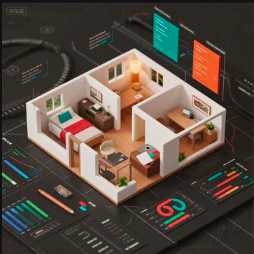
The combination of AI with feng shui underscores a key point: feng shui is evolving with the times, yet its essence remains helping people live better. Whether through a smartphone app scanning your living room or an interactive website, feng shui is becoming more user-friendly and data-driven. This modern approach doesn’t diminish the practice – in fact, it highlights feng shui’s principles in a new light. It shows that concepts like energy flow, balance, and harmony can be approached systematically and even quantified to an extent. So if you’re curious about improving your home’s vibe or your personal luck, you now have both the ancient compass and the AI algorithm on your side. Websites like aifengshui.app demonstrate how technology can provide a bridge: honoring the traditional knowledge of feng shui while making it easier to apply in our busy, modern lives .
Conclusion
Feng shui is far more than a method for arranging furniture – it’s a living philosophy of harmonious living. We’ve seen that at its heart, feng shui is about balancing energy in all aspects: our physical spaces, our personal energies, and even our mindset. By dispelling the myth that feng shui is just about home layout, we recognize it as a complete system encompassing invisible forces like qi flow and human intention. From feng shui bracelets that serve as daily reminders of our goals, to the strategic placement of symbolic décor to attract health, love, or wealth, every aspect of feng shui carries meaning. The proverb “First Destiny, Second Luck, Third Feng Shui” reminds us that while we can’t change everything in life, we can shape our environment and thereby nudge our fate in a positive direction. Adjusting your feng shui – whether it’s clearing clutter or sleeping with your head pointed in a better direction – is essentially an act of empowerment, aligning your surroundings to support your aspirations.
In our modern era, the essence of feng shui continues to thrive and even expands with new tools. Embracing fengshui AI tools and apps can help demystify the process, allowing anyone to get started on improving their home’s energy flow or personal elemental balance. Yet, even as we use apps or AI for feng shui insights, the core principles remain timeless: pay attention to your environment, live in harmony with nature’s elements, and set clear intentions for what you want to welcome into your life. Feng shui operates on the belief that our outer world reflects our inner world – by creating a positive, flowing space around us, we foster positive changes within us. So, whether you place a laughing Buddha on your desk, wear a feng shui bracelet for confidence, or simply rearrange your room for better light, remember that these actions are part of a larger journey of balance and growth. Feng shui truly goes beyond home layout, touching the realms of personal energy, mindset, and now even artificial intelligence – all in the pursuit of a more harmonious, prosperous life.
Keywords: fengshui AI, fengshui bracelet, energy flow, feng shui home analysis, personal feng shui, balance and harmony, destiny luck feng shui.