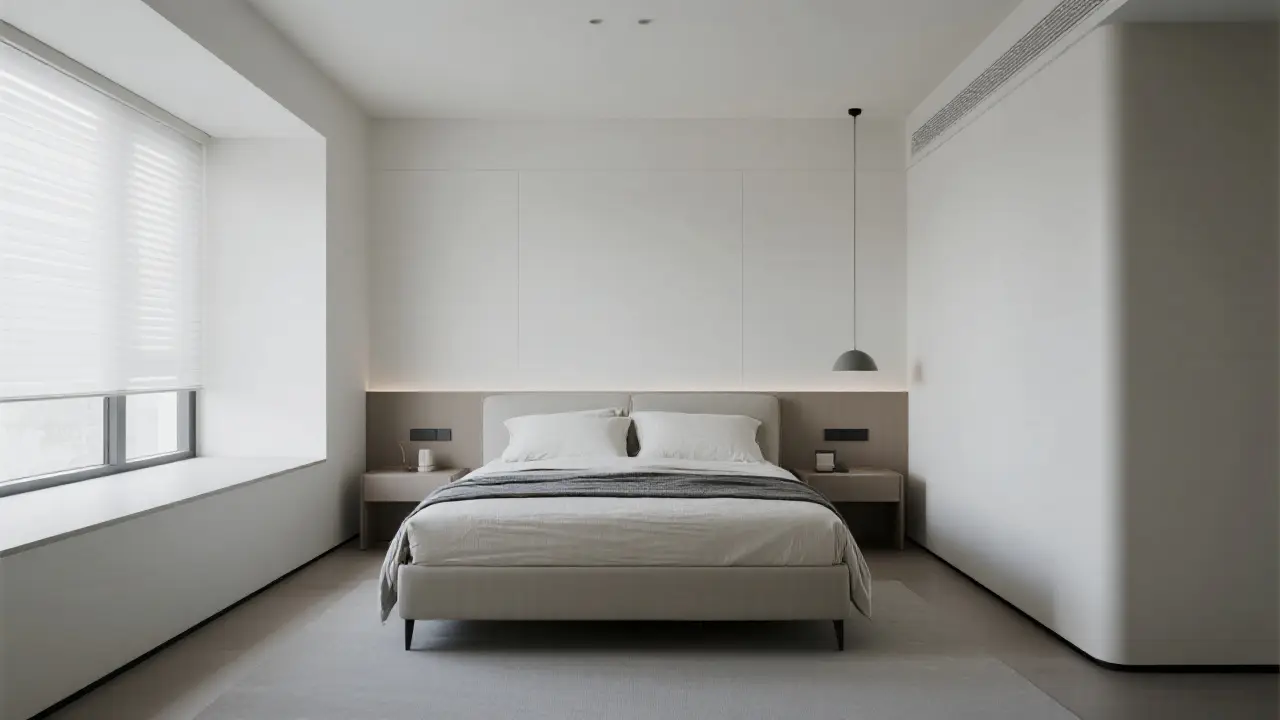
Introduction to Feng Shui and Sleep Quality
Feng Shui, the ancient Chinese practice of harmonizing living spaces with the natural environment, has been used for centuries to promote health, prosperity, and emotional well-being. In modern times, it has gained popularity as a holistic approach to improving sleep quality by optimizing bedroom placement, layout, and energy flow.
Quality sleep is one of the cornerstones of good health. By aligning your bedroom’s design with Feng Shui principles, you can create a sanctuary that encourages relaxation, reduces stress, and supports a deeper and more restorative sleep cycle.
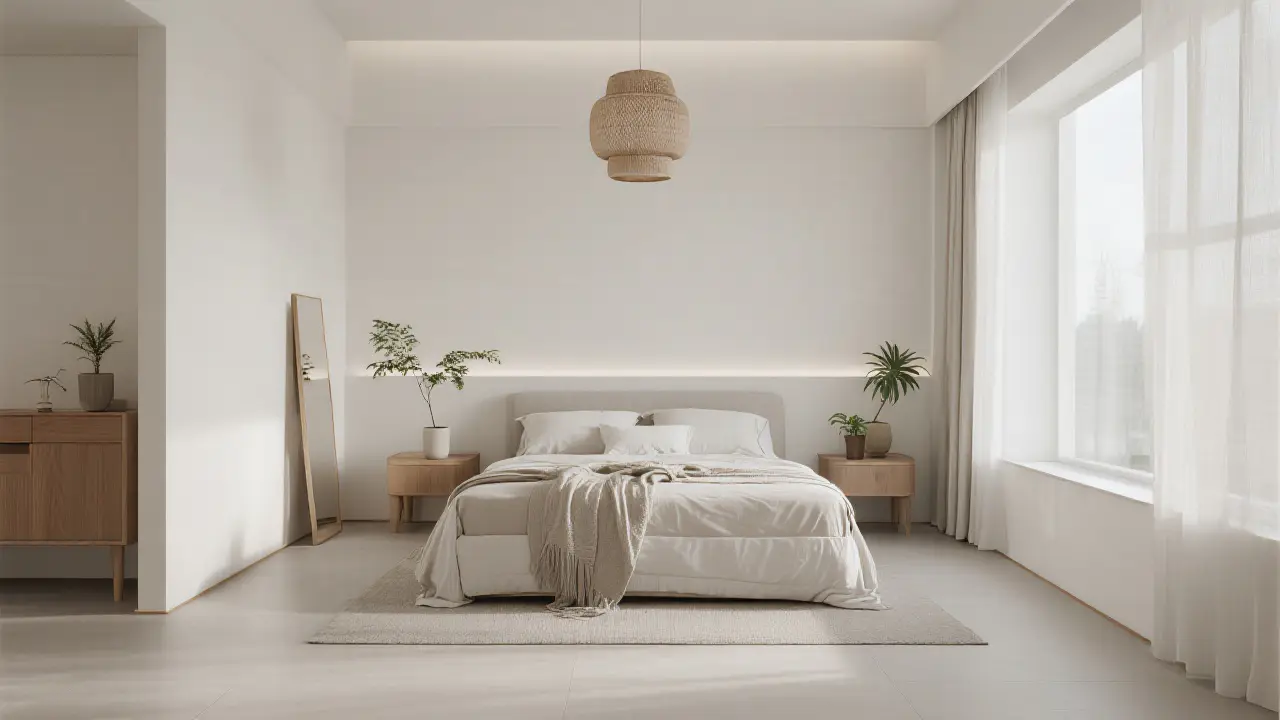
Tip 1: Position Your Bed for Support and Security
The location of your bed is the most important factor in your sleep environment’s Feng Shui. Your bed should ideally be placed in the “command position,” where you can see the entrance to the room without being directly in line with the door. This positioning promotes a sense of safety and control, which is essential for restful sleep.
- Place the headboard against a solid wall to create stability and support.
- Avoid having your bed directly under a window or facing a mirror that reflects your bed.
- Make sure there’s space on both sides of the bed for balance and energy flow.
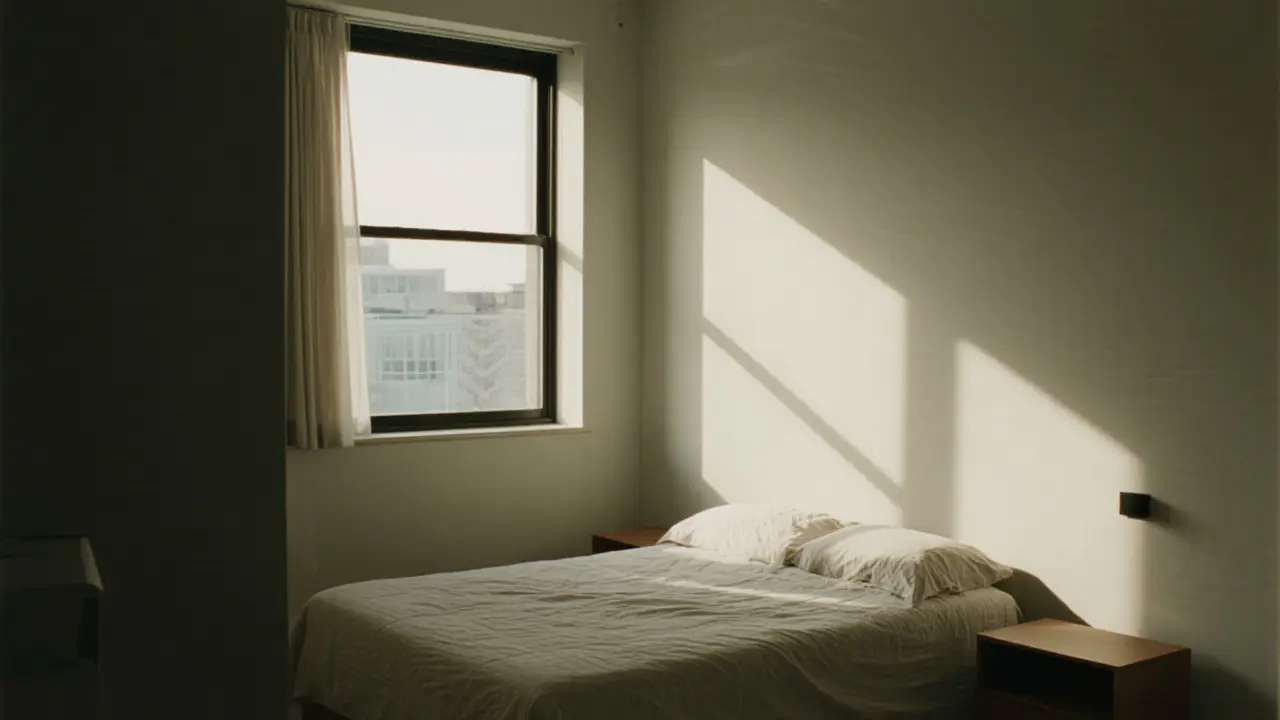
Tip 2: Choose a Calming Color Scheme
Colors have a profound psychological and energetic impact, and Feng Shui makes use of color to balance the five elements—wood, fire, earth, metal, and water. In the bedroom, softer and warmer tones help soothe the mind and encourage sleep.
Warm neutrals, light blues, gentle greens, and soft earth tones are recommended. Avoid overly stimulating colors such as bright reds, vivid oranges, or stark whites, as they can disrupt the tranquility necessary for sleep.

Tip 3: Declutter for a Clear Mind
Clutter not only creates visual overwhelm but also disrupts the flow of chi (energy) in your bedroom. A cluttered space can lead to mental restlessness and difficulty unwinding at night.
- Keep your bedroom free of excess items and only display items that bring peace and joy.
- Store belongings neatly in drawers, closets, or under-bed storage if necessary—but avoid keeping work materials or electronics in the bedroom.
- Create a minimalist space that feels open, airy, and easy to maintain.

Tip 4: Optimize Lighting for Relaxation
Light affects your circadian rhythm and directly influences sleep hormones such as melatonin. Feng Shui emphasizes the use of layered lighting to create balance and encourage relaxation.
- Use soft, warm lighting in the evening to signal to your body that it’s time to wind down.
- Install dimmers to adjust light intensity according to mood and activities.
- Take advantage of natural daylight during the morning to energize your body naturally.
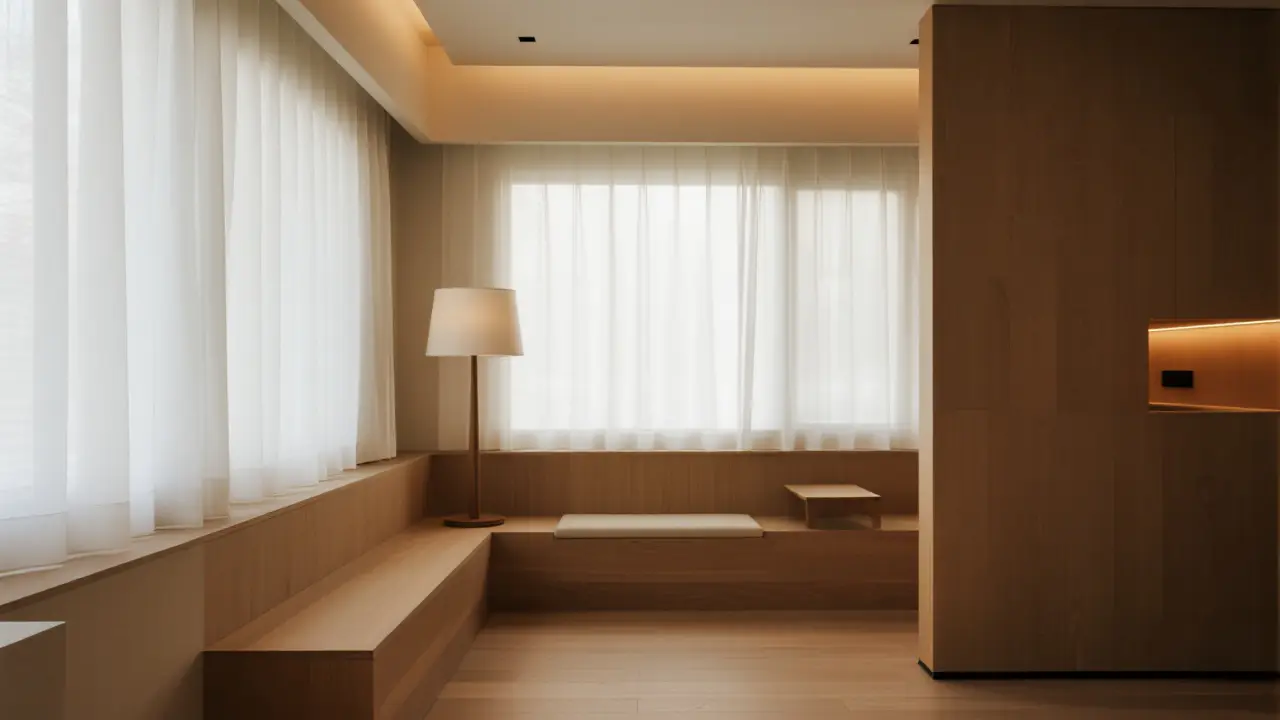
Tip 5: Incorporate Natural Elements and Materials
Natural materials such as wood, cotton, wool, and linen bring harmonious, grounding energy to your bedroom. These materials reflect the calming aspects of nature and can help reduce exposure to synthetic chemicals that negatively affect wellbeing.
Adding plants is a popular Feng Shui enhancement, but in the bedroom, it’s recommended to choose plants carefully to maintain a calm atmosphere. Opt for small, low-maintenance plants and avoid overly large or aggressive-looking species.

Tip 6: Balance Yin and Yang Energy
Yin energy is calming and restful, while Yang energy is dynamic and stimulating. A good bedroom design for sleep should lean towards Yin to promote peace and restoration, but still maintain subtle Yang elements for balance.
- Soft fabrics, rounded shapes, and gentle lighting promote Yin energy.
- Balanced accents, such as a structured headboard or symmetrical nightstands, introduce controlled Yang energy.
- Too much Yang—such as bright lighting or bold patterns—can make it harder to sleep.
Tip 7: Remove or Minimize Electronic Devices
Electronics such as televisions, laptops, and smartphones emit electromagnetic fields and blue light that can interfere with your body’s natural sleep process. Feng Shui encourages limiting electronics in spaces intended for rest.
- Ban televisions from your bedroom to reduce distractions and maintain a relaxation-focused environment.
- Charge smartphones and tablets outside the bedroom to avoid temptation.
- If you must have electronics present, unplug them at night or keep them at a distance from your bed.
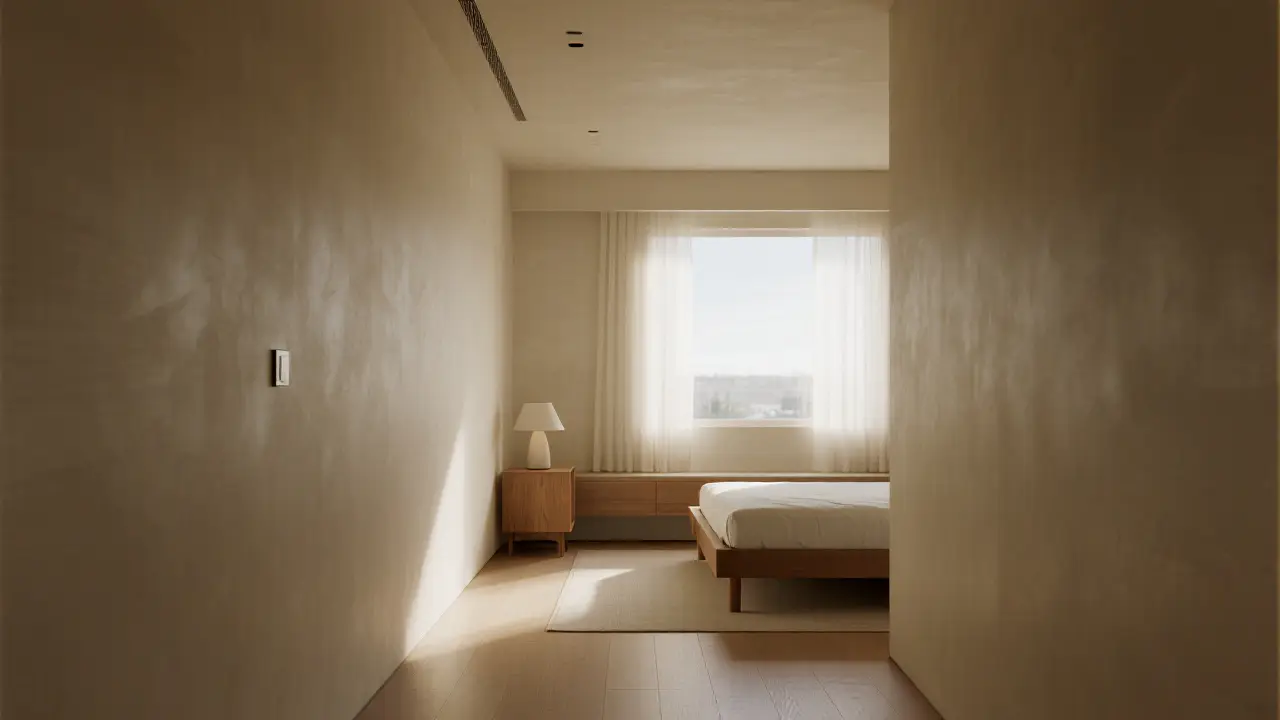
Tip 8: Enhance Air Quality and Aroma
Good air circulation is vital for nourishing energy, according to Feng Shui. Stale or polluted air can negatively impact sleep and wellbeing. Incorporating plants, purifiers, and natural scents helps improve both the energy and the comfort of your bedroom.
- Open windows during the day for fresh air circulation when possible.
- Use an air purifier to filter out dust, allergens, and toxins.
- Introduce calming aromas—such as lavender, chamomile, or sandalwood—through essential oils or natural incense.
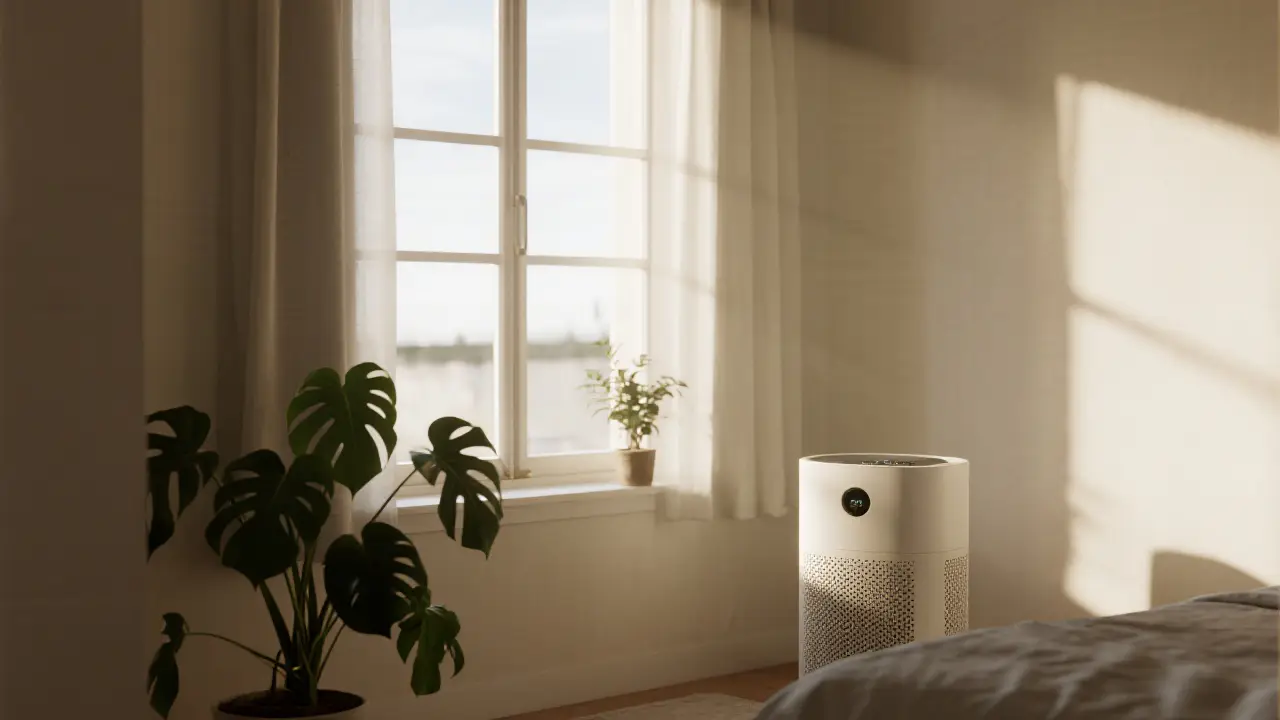
Tip 9: Use Symmetry for Harmony
Symmetry in your bedroom creates visual and energetic balance, which promotes a harmonious emotional state and supports restful sleep. This is especially important for couples, as balance in the bedroom can influence relationship energy.
- Place matching nightstands and lamps on each side of the bed.
- Choose bedding and decor that complement each other without dramatic contrasts.
- Maintain consistent design elements on each side of the room.

Tip 10: Personalize Your Space with Meaningful Decor
Feng Shui is not only about rules but also about creating a space that resonates with you personally. Decor should reflect your values, memories, and aspirations, while still aligning with the principles of harmony and tranquility.
- Incorporate artwork that makes you feel calm, inspired, or connected to nature.
- Display personal items carefully and avoid anything that triggers anxiety or sadness.
- Ensure decor is proportionate to your room’s size and doesn’t overwhelm the space.
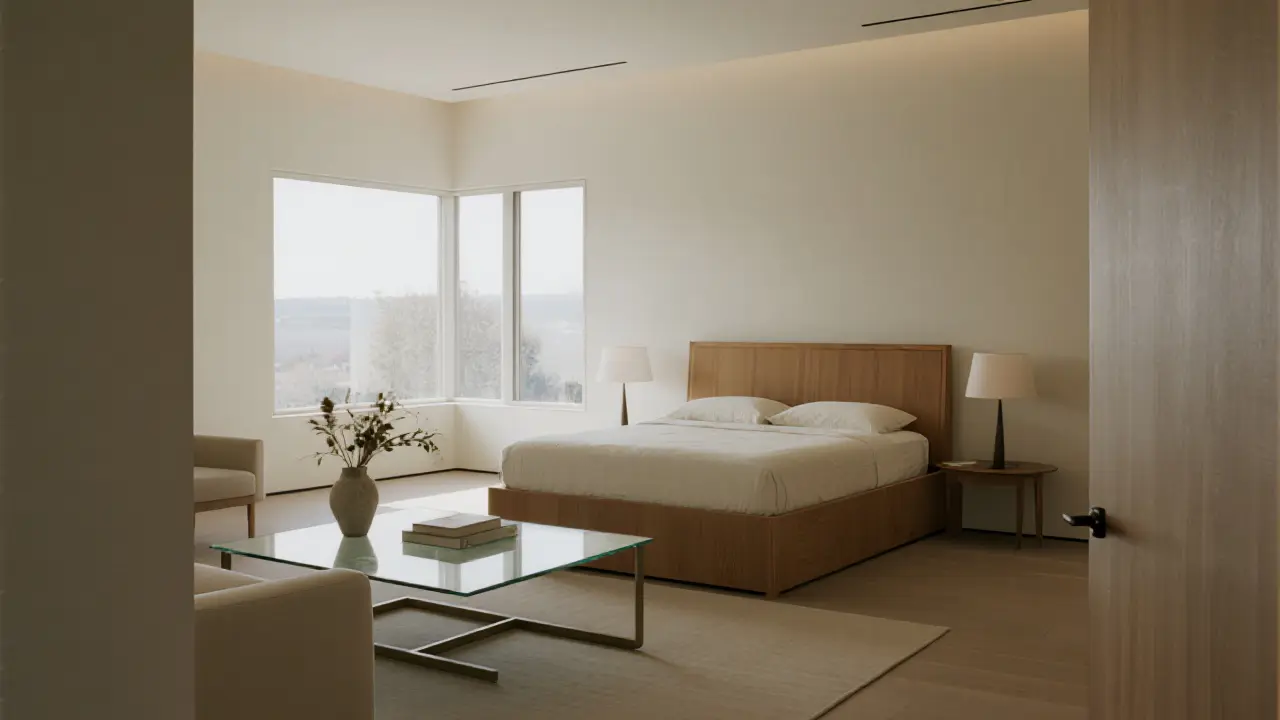
Using AI Feng Shui Tools for Your Bedroom
Applying these tips can be easier and more accurate with the help of modern technology. If you want to see how Feng Shui principles can specifically optimize your bedroom, you can upload your own bedroom floor plan to the Feng Shui Bedroom Layout Generator. This AI-powered tool provides personalized suggestions based on your room’s exact dimensions, furniture placement, and energy flow, helping you make changes that directly support better sleep.
By combining ancient wisdom with cutting-edge AI analysis, you can design a space that is both aesthetically beautiful and energetically balanced, ensuring you sleep soundly each night.
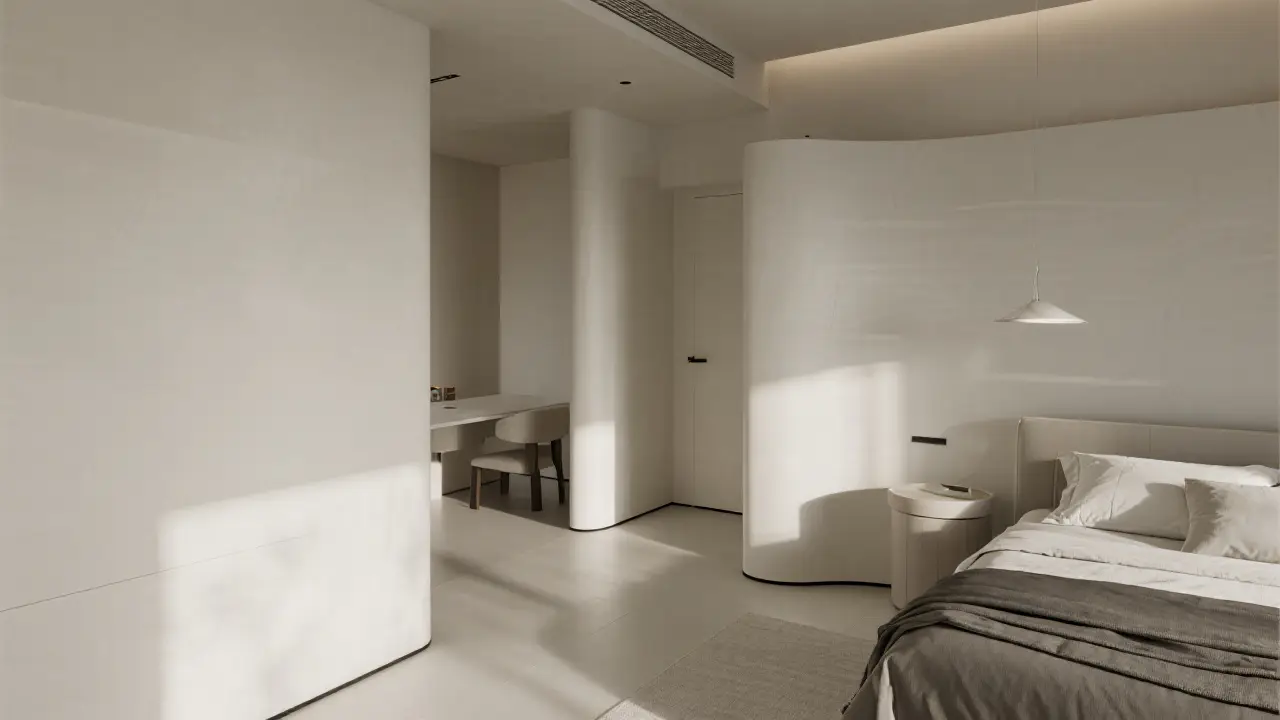
Conclusion
Integrating Feng Shui principles into your bedroom is a powerful way to foster deeper, more restorative sleep. From bed placement and color choices to decluttering and improving air quality, each adjustment you make can shift the energy of the room toward serenity and balance. The ten tips above provide a comprehensive starting point for aligning your sleep environment with your body’s natural rhythms.
Whether you follow traditional Feng Shui guidelines or use a modern tool like the AI Bedroom Layout Generator, the goal remains the same: to create a bedroom that nurtures your mind, body, and spirit for truly restful sleep.