Understanding the Role of Color in Feng Shui
Feng Shui is an ancient Chinese practice that focuses on creating balance and harmony within your living spaces. Among its many principles, color plays a vital role in influencing the flow of energy, or Qi, throughout your home. The right color choices can enhance harmony, promote prosperity, and support health and relationships for those who live there.
Each color in Feng Shui corresponds to one of the five elements—Wood, Fire, Earth, Metal, and Water—and each element has its own specific qualities that can be amplified or diminished depending on your personal needs and the intended function of the room.
The Five Elements and Their Associated Colors
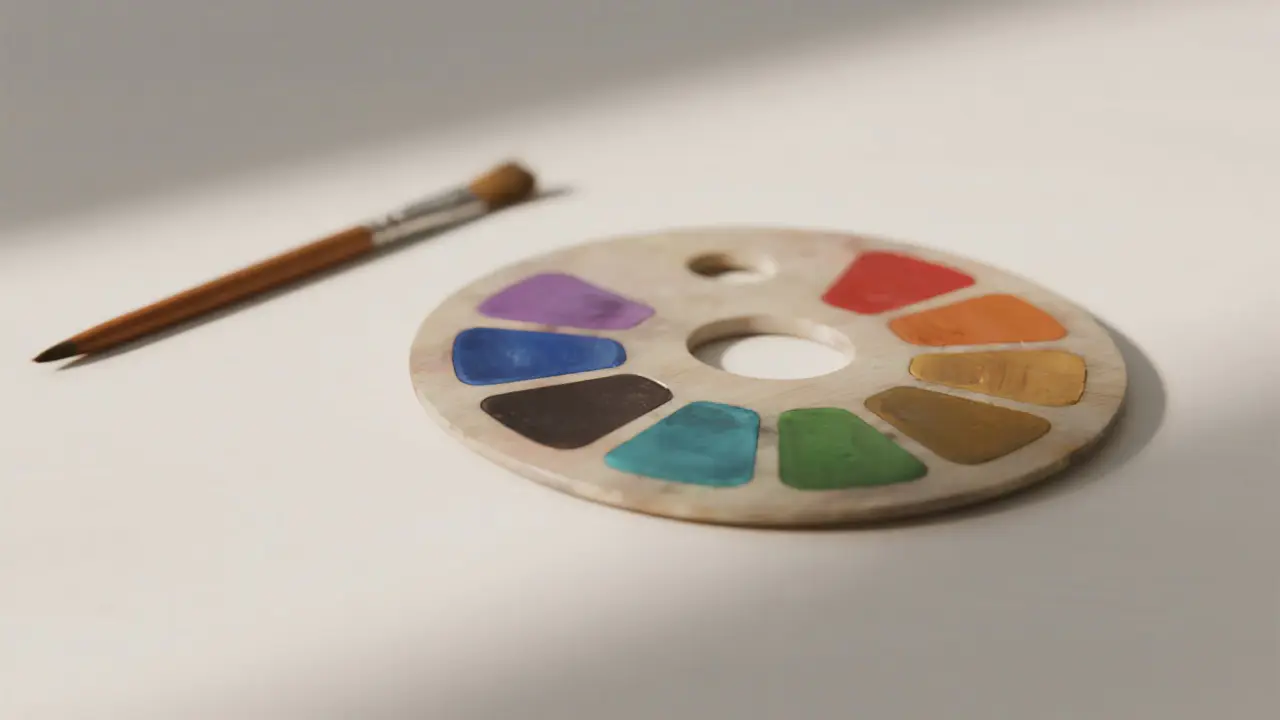
To select the most auspicious colors for your home, it’s essential to understand the fundamental Five Elements and how their colors influence energy flow. These elements are not just symbolic; they impact emotional, physical, and psychological states.
Wood Element
The Wood element is associated with growth, vitality, and expansion. It’s ideal for spaces that need uplifting, renewal, and a sense of rejuvenation.
- Primary Colors: Green, teal, and blue-green
- Ideal Rooms: Living rooms, home offices, and areas where creativity is important
- Effect: Encourages development, healing, and fresh opportunities
Fire Element
Fire represents passion, inspiration, fame, and visibility. It’s a powerful energy that, when balanced, can bring enthusiasm and motivation.
- Primary Colors: Red, orange, bright yellow, pink, and strong purple
- Ideal Rooms: Dining areas, entertainment spaces, and any location where you want to stimulate activity
- Effect: Enhances drive, courage, and social interaction
Earth Element
The Earth element is grounding, stabilizing, and nurturing. It brings a sense of calm, security, and nourishment to a space.
- Primary Colors: Beige, sandy tones, pale yellow, and earthy browns
- Ideal Rooms: Bedrooms, kitchens, and living rooms
- Effect: Encourages stability, emotional balance, and comfort
Metal Element
Metal represents clarity, precision, and discipline. It’s linked to mental sharpness and organizational energy.
- Primary Colors: White, gray, silver, and metallic tones
- Ideal Rooms: Offices, study areas, or minimalist spaces
- Effect: Improves focus, logic, and efficiency
Water Element
Water is connected to wisdom, relaxation, and the flow of wealth. Its energy is flowing, adaptable, and soothing.
- Primary Colors: Blue, black, and deep navy
- Ideal Rooms: Bathrooms, meditation areas, and entryways
- Effect: Encourages mindfulness, abundance, and fluidity in life

Choosing Colors Based on Your Personal Energy
While general Feng Shui guidelines can enhance any home, the most effective approach is to tailor your color choices to your personal energy profile. In the Chinese metaphysical system, your Ba Zi (Four Pillars of Destiny) can reveal your favorable elements and help you determine which colors are most empowering for you.
By understanding your personal favorable element, you can align your home’s color palette to attract more good fortune and support your well-being. You can discover your personalized Feng Shui color recommendations using this Feng Shui Color Tool, which calculates your favorable colors based on your birth chart.
Feng Shui Colors for Different Home Areas
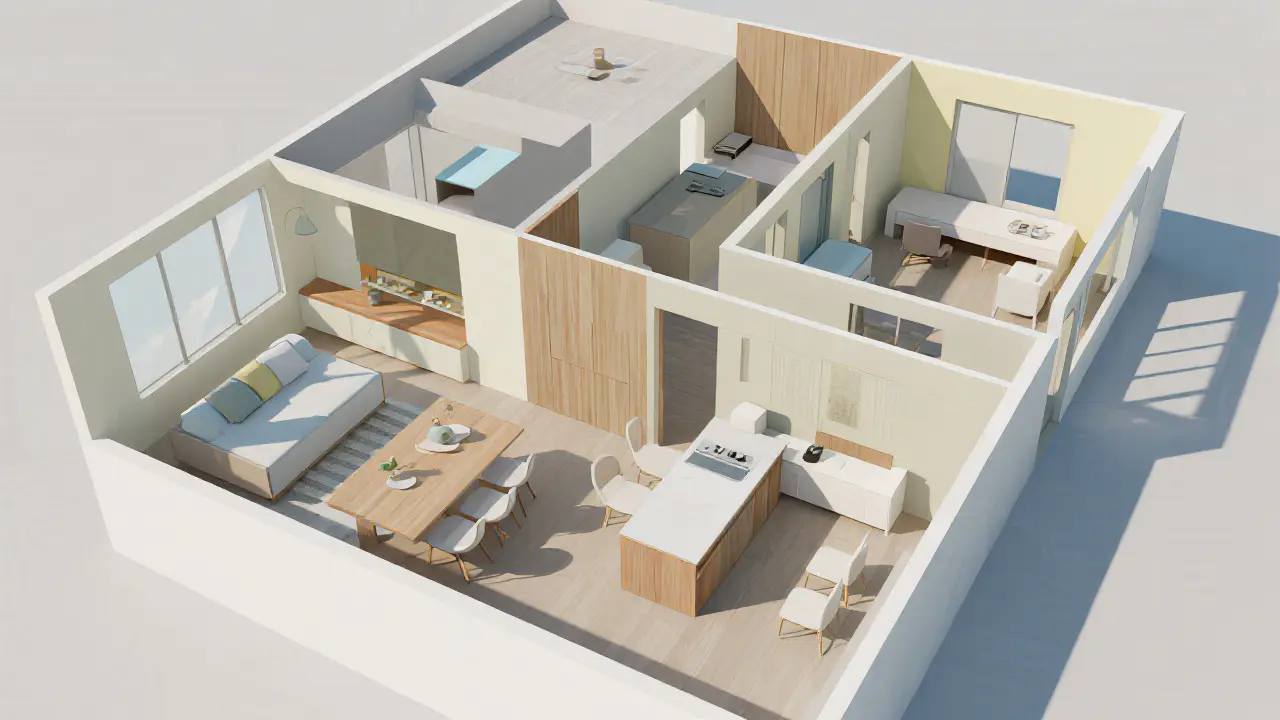
In Feng Shui, each part of your home resonates with certain types of energy depending on its purpose and location. By aligning the color scheme of each room with its intended function, you can maximize positive energy flow.
Living Room
The living room is a central gathering space that benefits from uplifting and harmonious energy. Choose colors that encourage conversation, togetherness, and comfort.
- Good Choices: Warm earth tones, soft greens, neutral beiges, or light blues
- Enhancement Tip: Add small accents of Fire element colors if you want to encourage more lively interaction
Bedroom
For restful sleep and intimacy, the bedroom should feel serene and nurturing. Avoid overly strong or stimulating colors.
- Good Choices: Soft pinks, peach, cream, coconut white, or muted earth tones
- Enhancement Tip: Incorporate gentle blues and greens for calmness, or warm earthy hues for coziness
Kitchen and Dining Area
The kitchen and dining areas are hubs of nourishment and family bonding. They benefit from colors that promote appetite and warmth while maintaining harmony.
- Good Choices: Light yellows, warm beige, earthy tones, and subtle orange
- Enhancement Tip: Metallic accents can add precision and cleanliness to the kitchen environment
Home Office or Study
For productivity and clarity, these spaces should be designed with focus-oriented energy in mind.
- Good Choices: White, gray, light blue, or pale green
- Enhancement Tip: Add touches of yellow or earthy tones for grounding
Bathrooms
Bathrooms are areas where energy can flow away quickly; balancing them with nurturing, stabilizing colors can help maintain harmony.
- Good Choices: Soft blues, pale greens, and light neutrals
- Enhancement Tip: Use earthy elements in accessories to balance excessive Water energy
How to Combine Feng Shui Colors Harmoniously
Combining colors in Feng Shui is about creating balance rather than overwhelming your space. A common approach is to choose a dominant element and subtly incorporate supporting elements that enhance it.
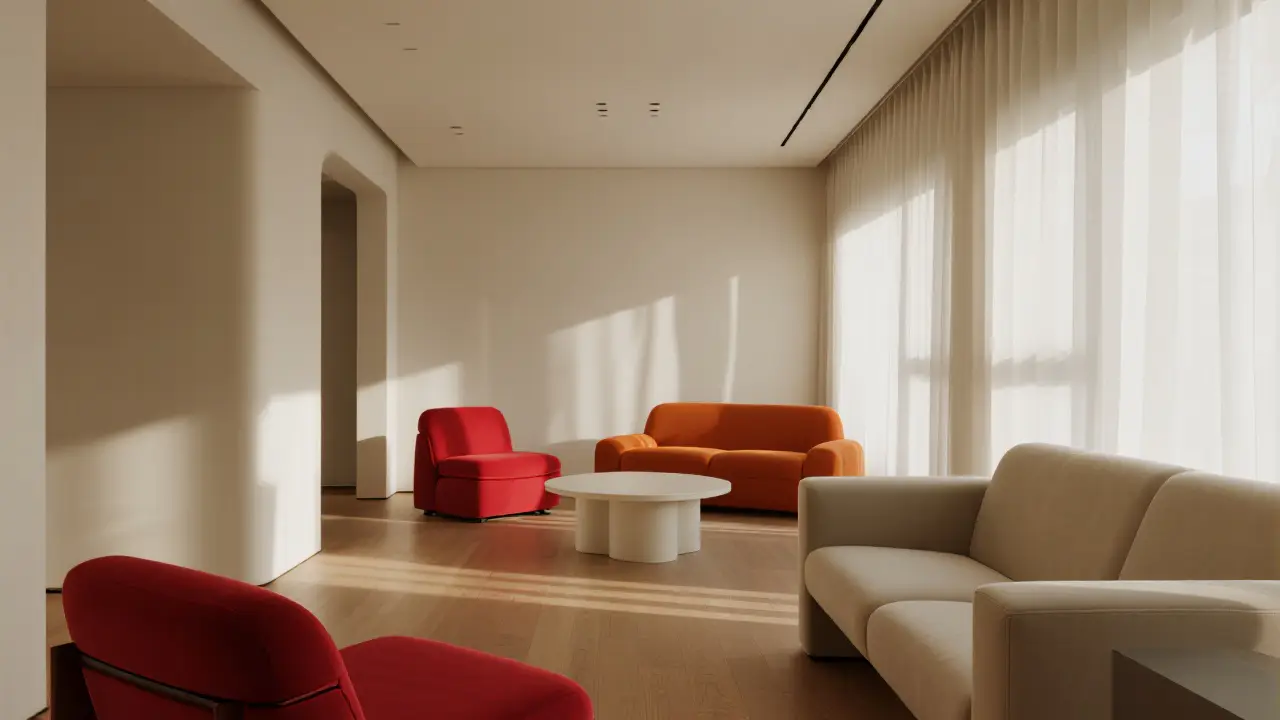
For example, if you want a bright, lively kitchen, you can use dominant Fire colors such as red or orange, balanced by earthy beige for stability. Too much of one element can create imbalance, so mixing complementary elements ensures a harmonious flow.
Neutral tones can act as a foundation, allowing more vibrant colors to stand out without overpowering the room. You can also update your color scheme seasonally to match cycles of energy flow in nature.
Common Mistakes to Avoid with Feng Shui Colors
- Using overly bright or intense colors in restful spaces like bedrooms
- Clashing elements that create conflict (e.g., too much Fire in a Water-dominated area)
- Ignoring personal energy needs in favor of generic guidelines
- Forgetting to balance colors with proper lighting and furniture placement
By avoiding these pitfalls, you ensure that your chosen colors work in harmony with the rest of your Feng Shui adjustments.
Seasonal and Cyclical Color Adjustments
Feng Shui acknowledges the influence of seasons on energy flow, and you can align your home décor accordingly for added benefit.
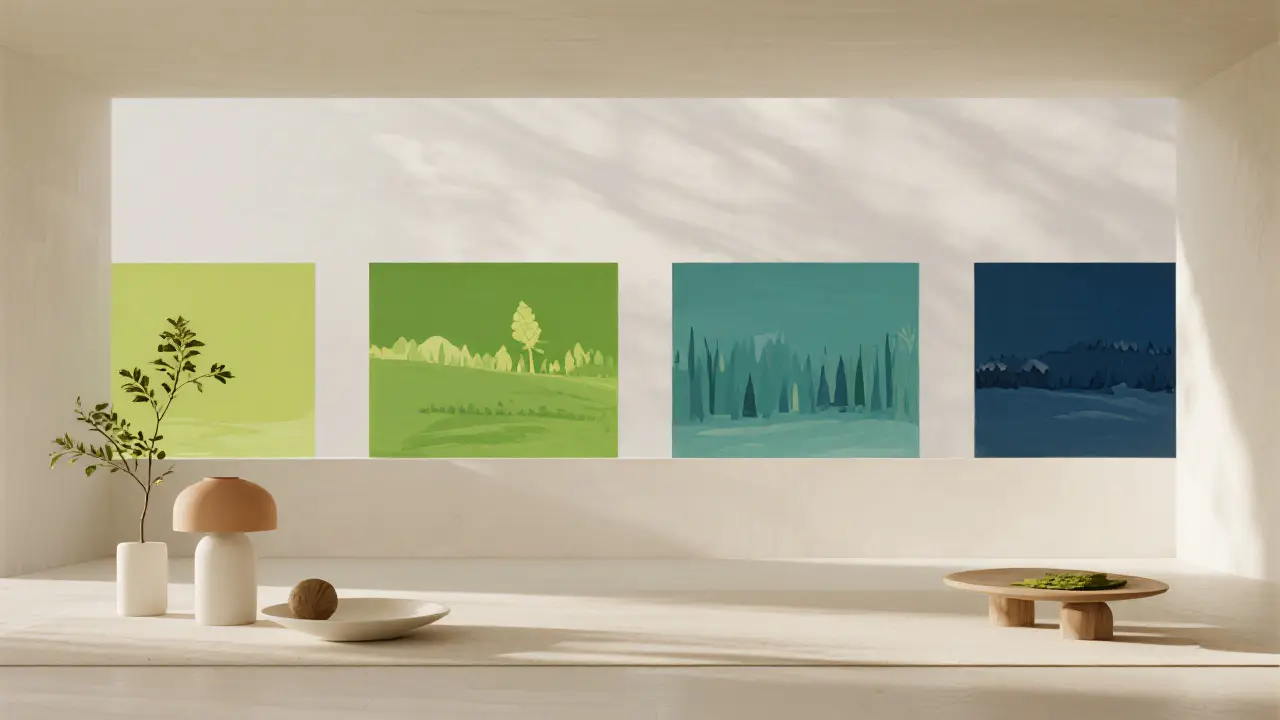
- Spring: Fresh greens and wood tones for new beginnings
- Summer: Vibrant reds, oranges, and purples to match high energy
- Late Summer: Warm earth tones like beige and pale yellow for stability
- Autumn: Whites, grays, and metallics for clarity and harvesting achievements
- Winter: Deep blues and blacks for introspection and rest
Rotating small décor items such as pillows, throws, and artwork seasonally can refresh your space without major renovations.
Integrating Feng Shui Colors with Modern Design
Modern home design trends often emphasize minimalism, open layouts, and neutral bases. This offers a perfect canvas for integrating Feng Shui colors.
You can introduce colors through accent walls, furniture, textiles, lighting, or artwork. Keep your foundational tones balanced and let the energy of each chosen color flow through accessories and decorative elements.
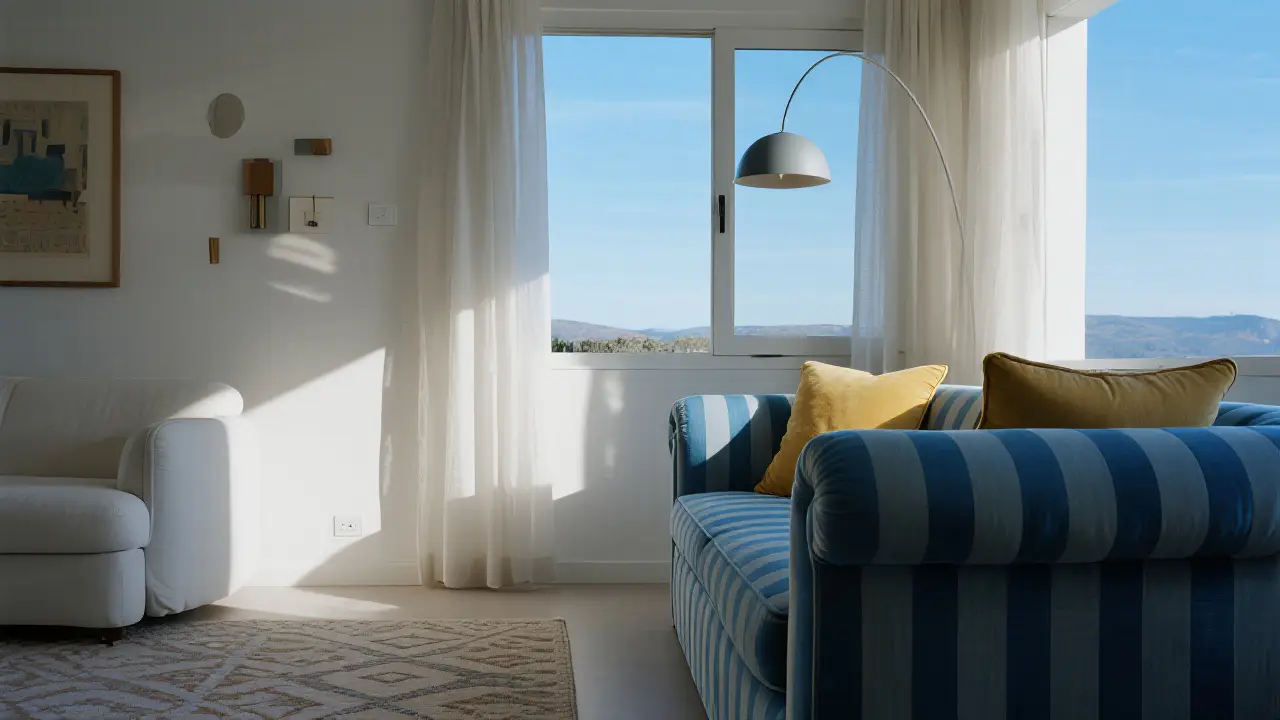
For example, a white living room (Metal element) can be warmed up with green plants (Wood) and soft yellow cushions (Earth) to create a dynamic, nourishing environment.
Final Thoughts on Feng Shui Color Selection
Feng Shui is not about rigid color rules but about creating balance, intention, and alignment with both your environment and personal energy. By thoughtfully selecting colors for each room and season, you can support your lifestyle goals, emotional well-being, and long-term prosperity.
Whether you are redecorating, renovating, or designing a new home, incorporating strategic Feng Shui colors can transform your living experience. For a truly customized recommendation, discover your personal favorable colors with this Feng Shui Color Analysis Tool and begin creating harmony in your home today.