The living room is the central hub of the home, where family members gather, relax, and entertain guests. Beyond comfort and aesthetics, the way this space is designed also influences harmony, prosperity, and emotional well-being. Modern living has brought new perspectives on integrating traditional Feng Shui principles with contemporary design, focusing on simplicity, elegance, and practical adjustments. By blending timeless wisdom with modern aesthetics, you can create a living room that is both stylish and energetically balanced.
Integrating Feng Shui with Modern Aesthetics
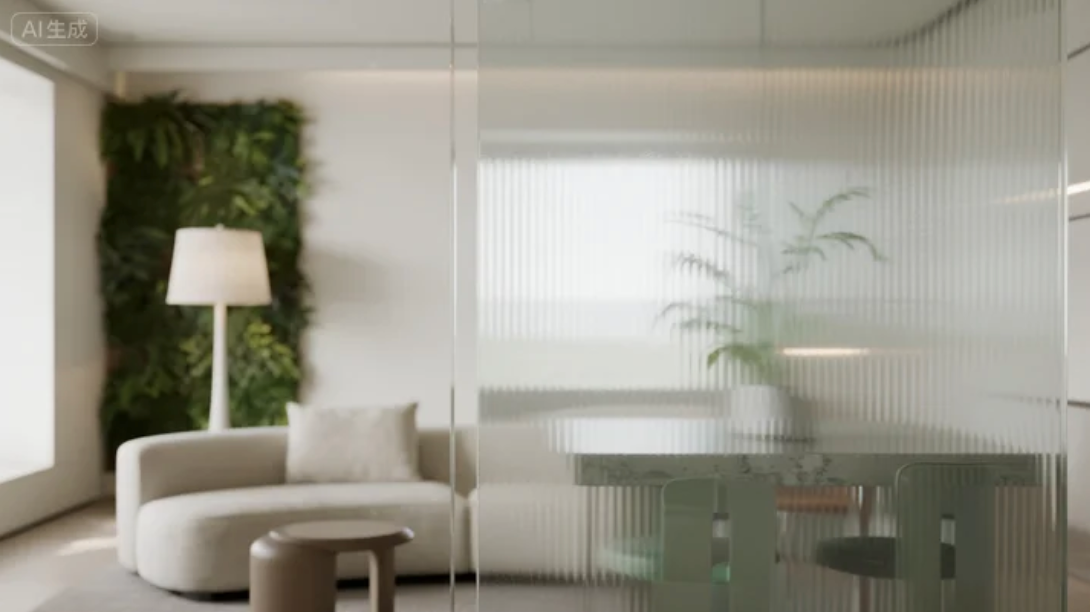
Applying Feng Shui in modern interiors should be practical and visually appealing. Traditional remedies can be adapted to suit today’s lifestyles:
- Replace old-style wooden screens with chic frosted glass partitions to redirect energy flow.
- Use an elegant floor lamp in the wealth corner instead of heavy traditional figurines.
- Add a lush vertical plant wall for the Wood element instead of cluttering the room with too many small potted plants.
These adaptations not only align with Feng Shui principles but also complement contemporary aesthetics, making them easier for the whole family to embrace.
Emphasizing Comfort and Cleanliness
Modern Feng Shui emphasizes comfort, simplicity, and order. A tidy and clutter-free living room naturally promotes positive energy flow:
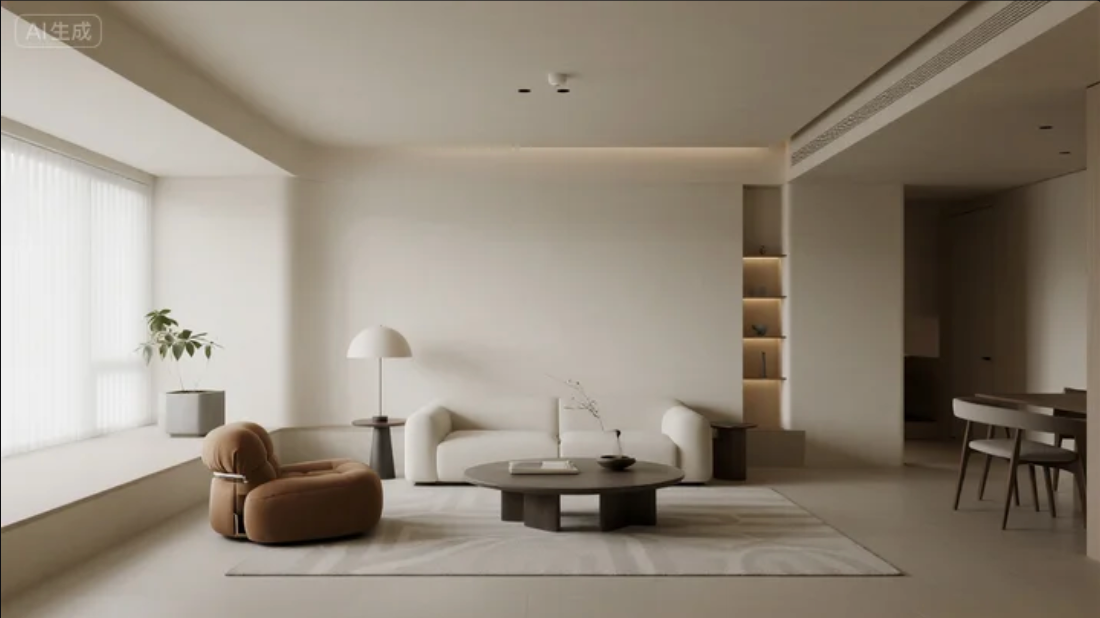
- Minimalist and Scandinavian styles, with their open spaces and bright natural light, naturally align with the Feng Shui concept of a “bright hall.”
- Decluttering and maintaining clean lines in design reflect the Feng Shui idea of removing stagnant energy.
- A comfortable, well-lit, and spacious living room creates harmony, reduces stress, and supports balanced energy flow.
When a room feels relaxing and uplifting, it already fulfills the Feng Shui ideals of balance, vitality, and prosperity.
Smart Selection of Feng Shui Practices
Not every traditional Feng Shui practice needs to be copied exactly. Instead, homeowners should adapt rules to modern lifestyles and practical needs:
- If changing the main door direction is impossible, focus on interior layout and color choices.
- If traditional figurines clash with your design style, replace them with modern ornaments or décor pieces that carry similar symbolism.
The essence of Feng Shui lies in creating a space that feels secure, uplifting, and welcoming. Flexibility ensures that even imperfect arrangements still achieve harmony and comfort.
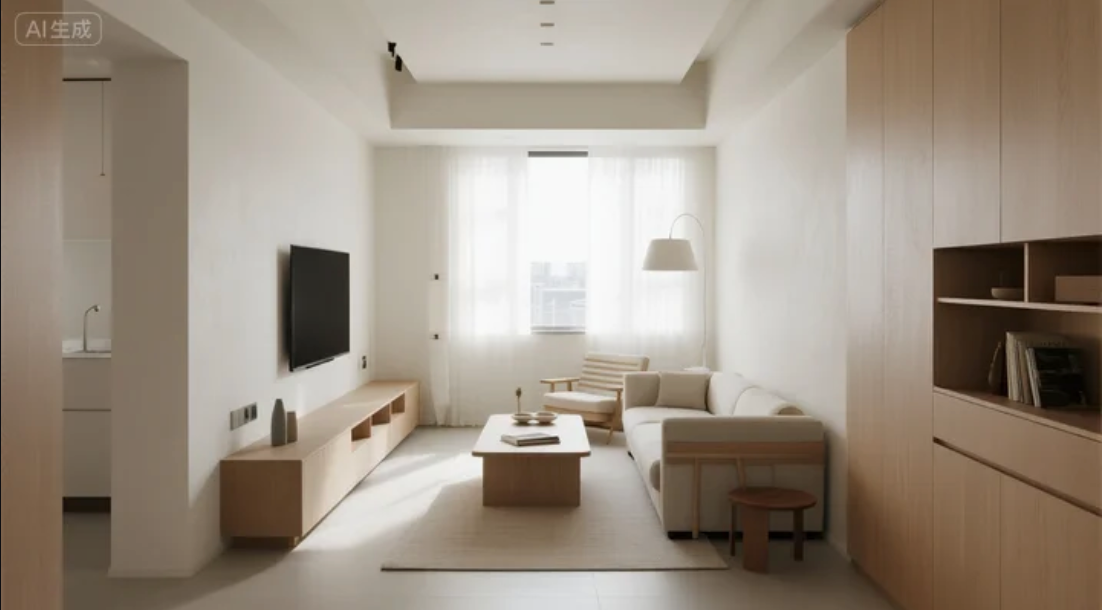
Overlooked but Crucial Feng Shui Details
Timely Repairs and Maintenance
Broken lights, cracked floors, or peeling paint not only look unattractive but also represent declining energy. Keep fixtures in good condition to maintain prosperity and stability.
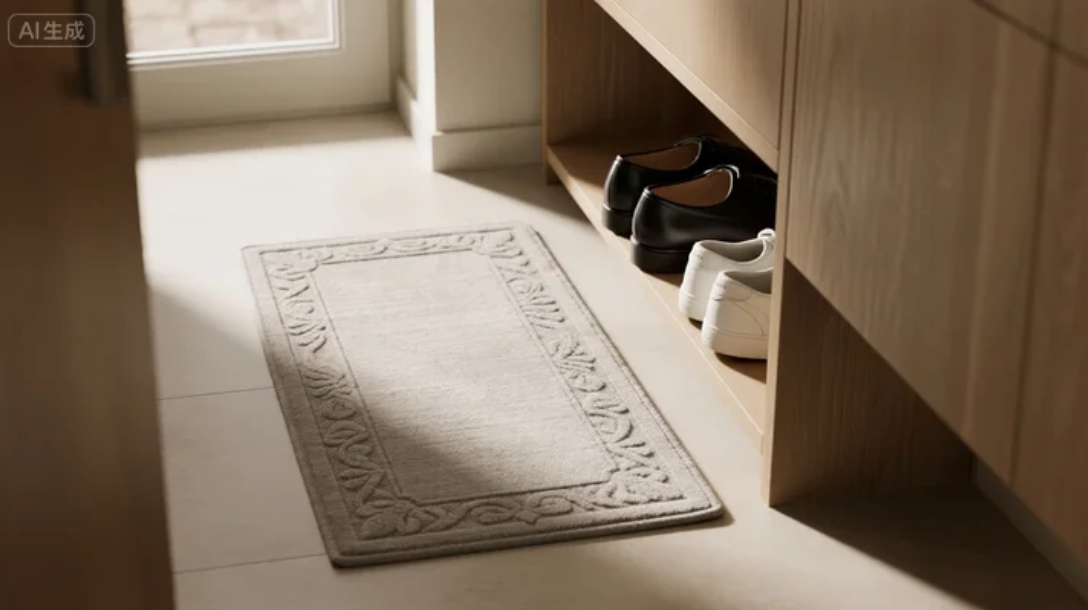
A Clean and Welcoming Entrance
The main door is the “mouth of energy.” Keep the entryway clean, dust-free, and clutter-free to invite fresh opportunities and positivity.
Using Fragrance and Sound
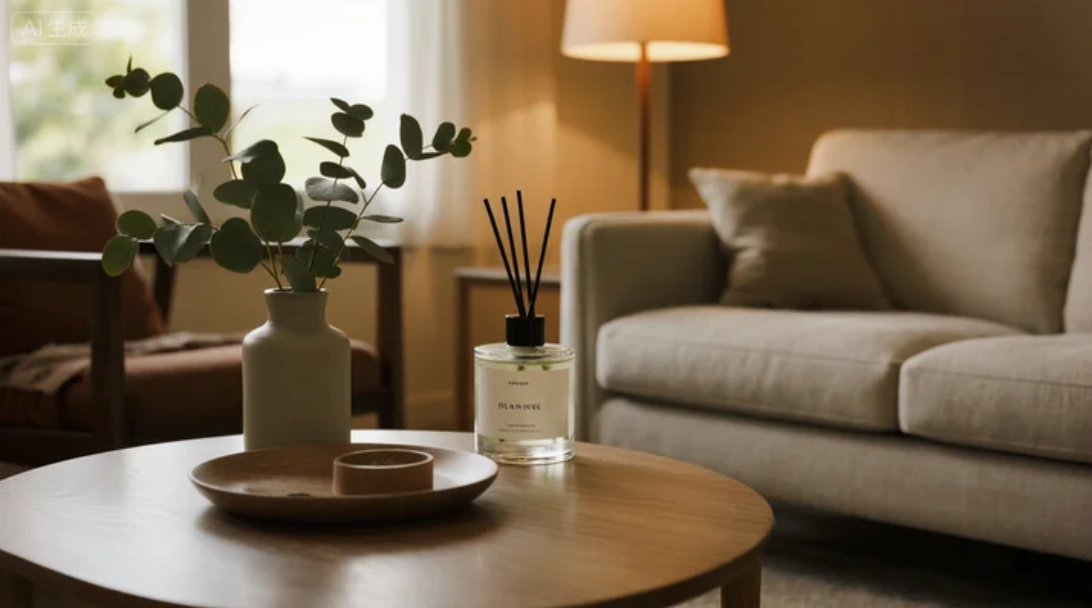
Pleasant scents from natural essential oils, such as sandalwood, citrus, or lavender, can refresh the living room’s atmosphere. Gentle background music or wind chimes at windows bring vibrancy, while avoiding noisy or chaotic sounds preserves harmony.
Seasonal and Festive Décor
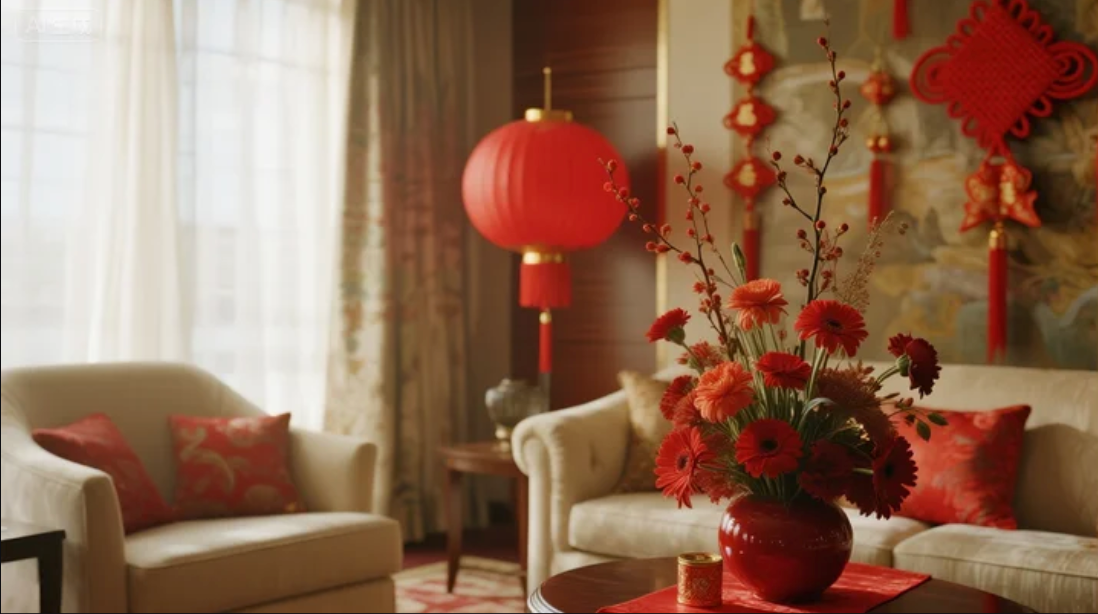
Refreshing décor according to the seasons or festive occasions enhances the home’s vitality. For example, blooming flowers during spring festivals, red lanterns for New Year celebrations, or fresh floral arrangements during family gatherings can all uplift the space. Regularly updating old decorations keeps the energy dynamic and prosperous.
Conclusion
Modern Feng Shui for the living room is not about rigid rules—it is about creating a comfortable, uplifting, and stylish environment where energy flows smoothly. By blending ancient principles with modern aesthetics, maintaining cleanliness, paying attention to overlooked details, and refreshing décor with the seasons, you can transform your living room into a space that supports prosperity, harmony, and happiness. Ultimately, the best Feng Shui is a home where you feel relaxed, inspired, and at peace.