The living room is the heart of the home, where family members gather and guests are welcomed. In Feng Shui, the design and arrangement of this space directly influence family harmony, prosperity, and overall well-being. Below are key Feng Shui principles for living room orientation, layout, and furniture placement to create a balanced, positive environment.
Living Room Orientation and Direction
Place the Living Room at the Front
Ideally, the living room should be located in the front section of the home, close to the main entrance. This position allows it to absorb external qi (energy) directly. When entering the house, the living room should be the first area you see, while private spaces such as bedrooms and kitchens are best positioned further inside.
If the layout is reversed, it can create a “wealth retreat” pattern, symbolizing declining fortune and unstable financial growth.
Maximize Sunlight and Brightness
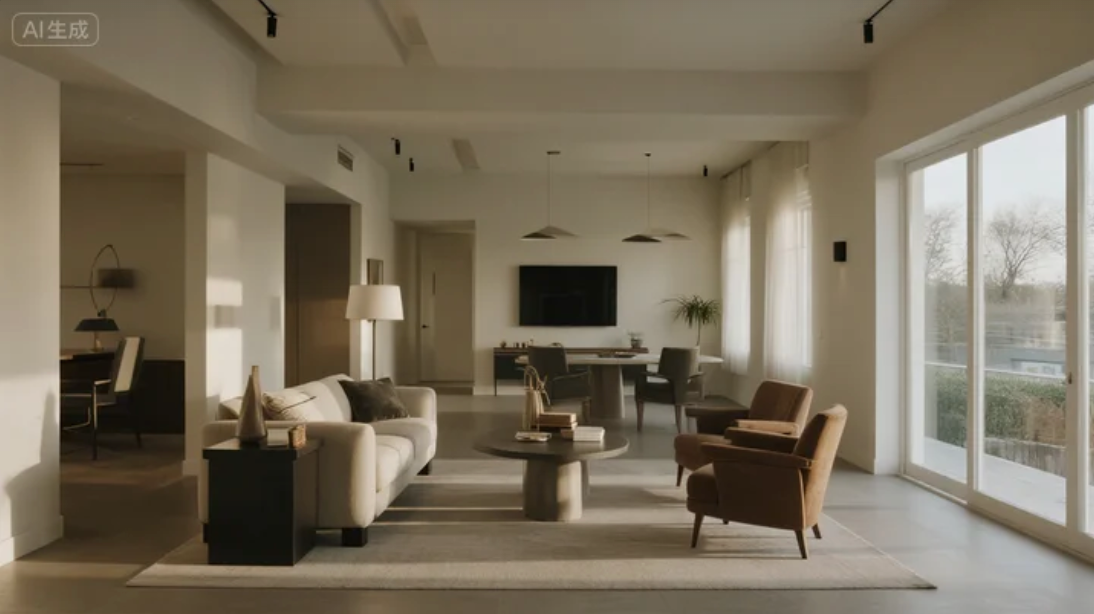
A living room should face a bright direction, such as south or east, to receive ample natural sunlight. Daytime brightness symbolizes vitality, growth, and strong family fortune. Traditional Feng Shui emphasizes “bright hall, dark bedroom”—the living room must always be brighter than bedrooms, or it may cause imbalance in family luck.
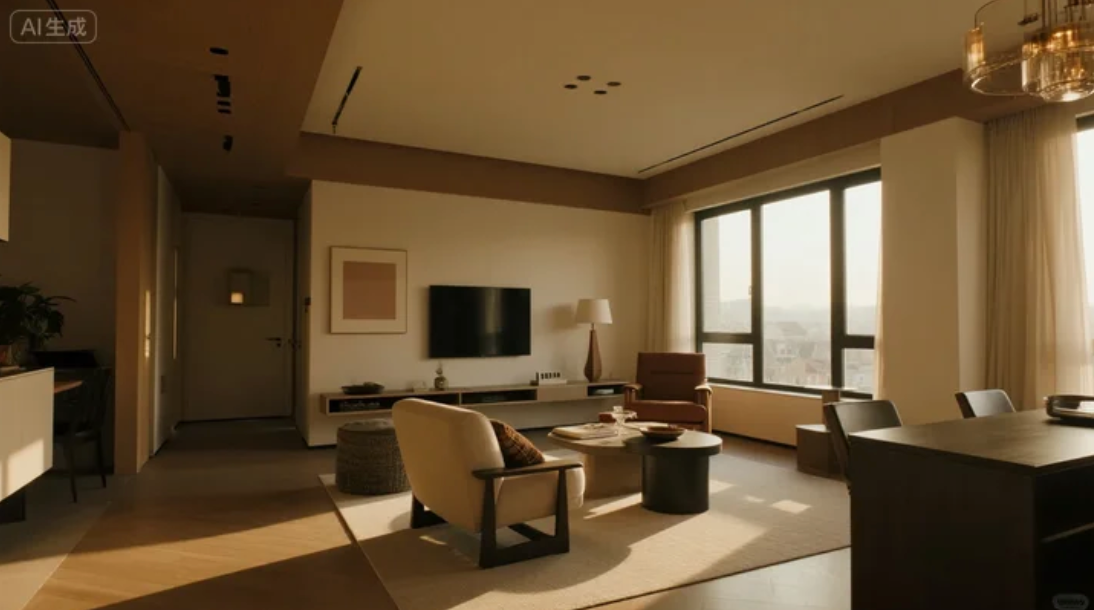
For naturally darker living rooms, open windows, use sheer curtains, and choose light color schemes to avoid gloomy, oppressive energy.
Living Room Layout and Structure
Keep the Shape Square or Rectangular
A square or rectangular living room is considered the most auspicious shape. Irregular, narrow, or polygonal layouts disturb energy flow and create dead corners.
- If sharp corners (sha qi) exist, place plants or cabinets to soften them.
- For L-shaped rooms, use furniture or mirrors to visually divide and “complete” the space.
A saying goes: “A square living room brings upright fortune and authority.” A well-proportioned room helps gather both prosperity and harmony.
Spaciousness and Ceiling Height
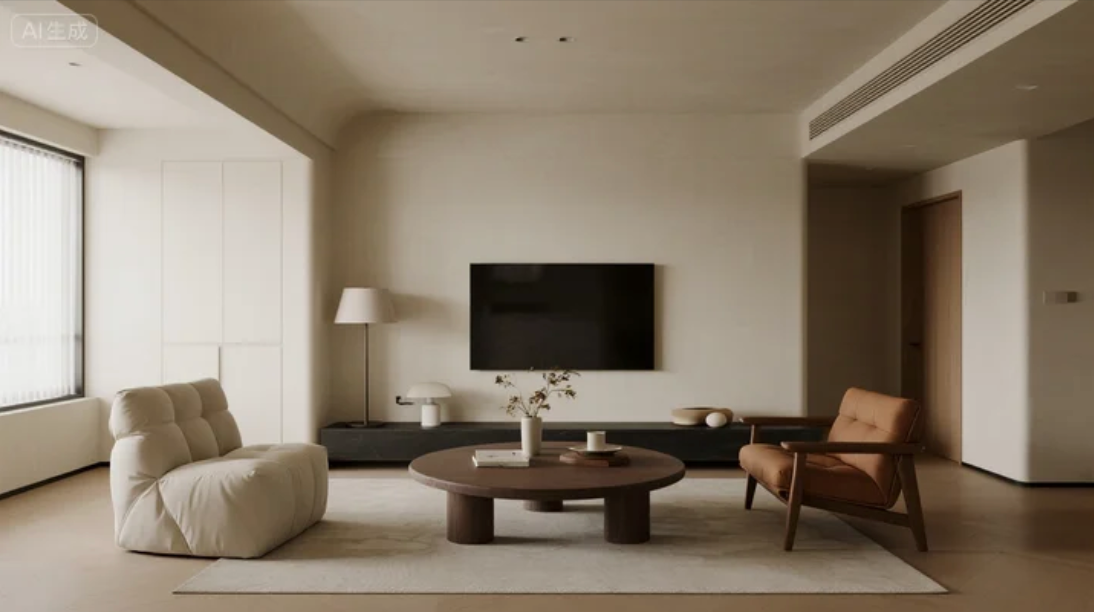
The living room should feel open and tall, not cramped.
- If the space is too narrow, qi feels suppressed, which blocks opportunities.
- A ceiling that is too low or a heavy false ceiling creates an oppressive feeling, symbolizing pressure on family members.
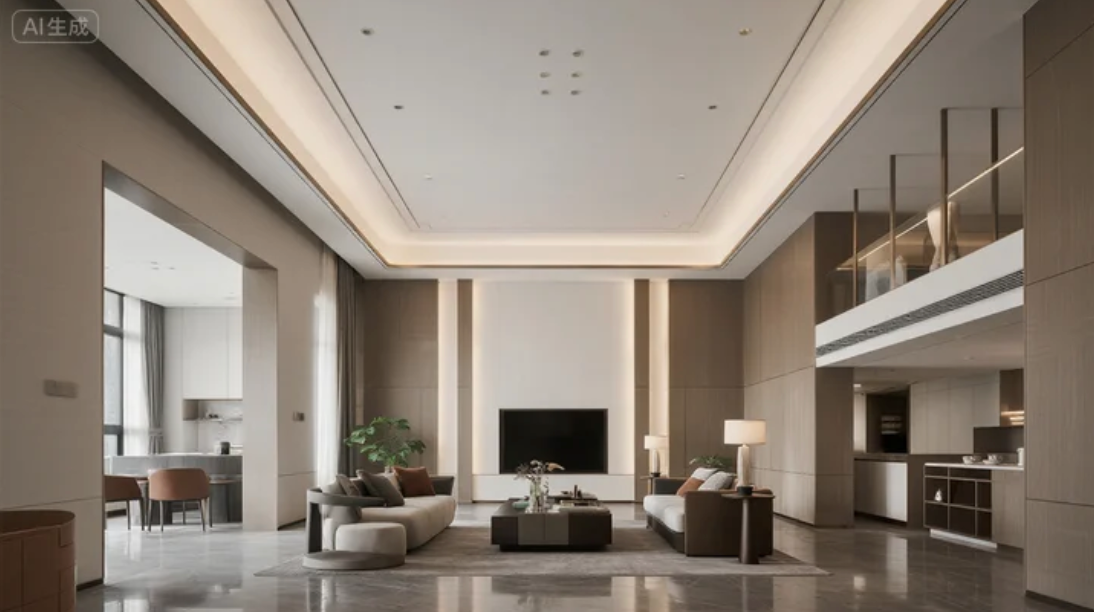
For modern homes with limited height, consider designs that are lower at the sides and higher in the center, paired with bright lighting. This setup not only expands visual space but also represents a symbolic “heavenly pool” that gathers fortune.
Flat Flooring and Smooth Flow
The floor should be flat and level without steps or uneven platforms. Uneven flooring can cause accidents and, symbolically, represents instability in family luck.
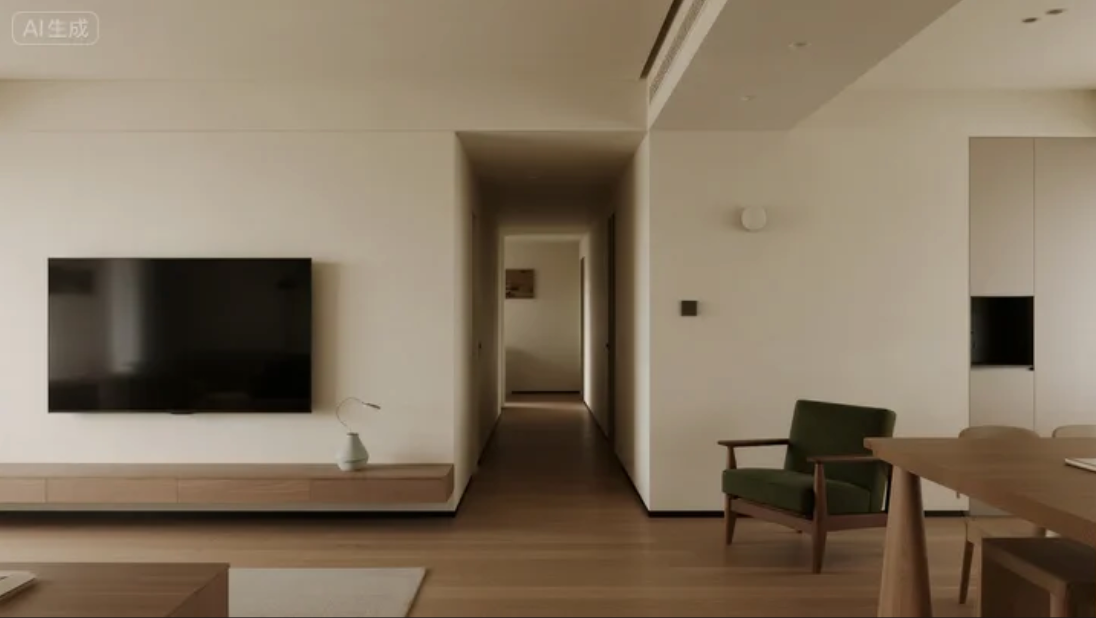
The living room’s pathways must be smooth, ensuring unobstructed flow of people and energy between the entrance and different areas of the house. Avoid layouts where people constantly pass through the living room like a corridor, as this disturbs tranquility and prevents qi from settling.
Furniture Arrangement in the Living Room
Sofa Placement with Solid Support
The sofa is the most important piece of furniture in the living room. It should have a solid wall behind it, symbolizing a mountain of support for family and career stability.
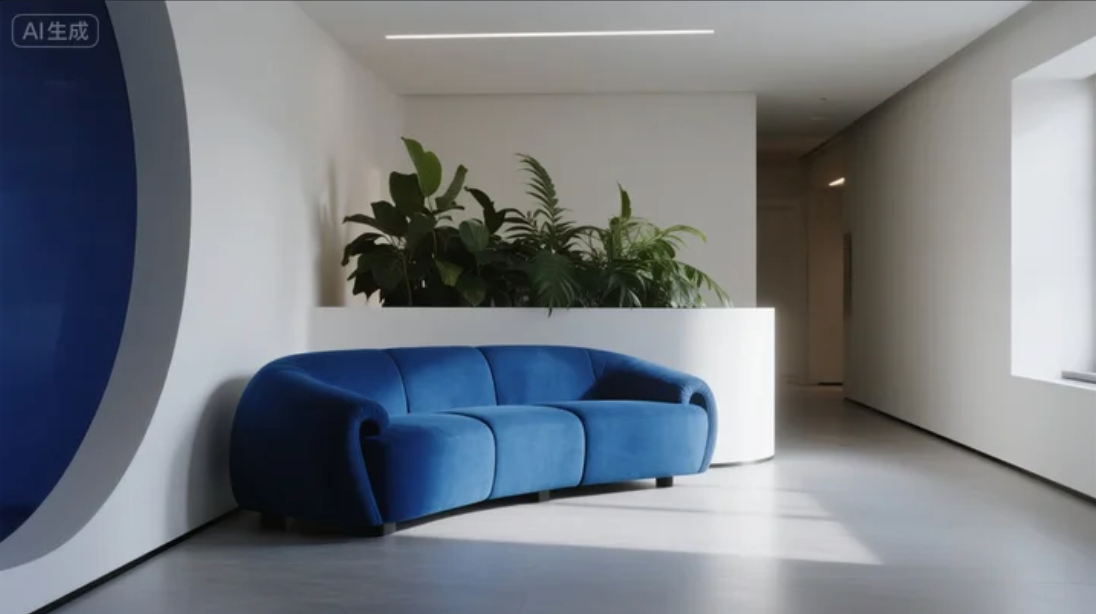
- Avoid placing the sofa with only a window behind, which weakens the sense of security.
- If a wall is not available, use a console table, screen, or tall plants as a symbolic backing.
- Never place a large mirror behind the sofa, as reflections of people’s heads create unease and insecurity.
- Water features such as aquariums should also not be behind the sofa, as flowing water does not provide stable support and may disrupt wealth accumulation.
Avoid Direct Alignment with the Main Door
The sofa should not be positioned directly facing or backing the main entrance.
- Facing the entrance causes energy (qi) from outside to rush directly at the sofa, unsettling occupants and allowing wealth to escape.
- Backing the entrance leaves those seated without awareness of incoming visitors, creating insecurity.
If unavoidable, use a screen, curtain, or partition to block and soften the flow of energy.
Seating Layout for Harmony
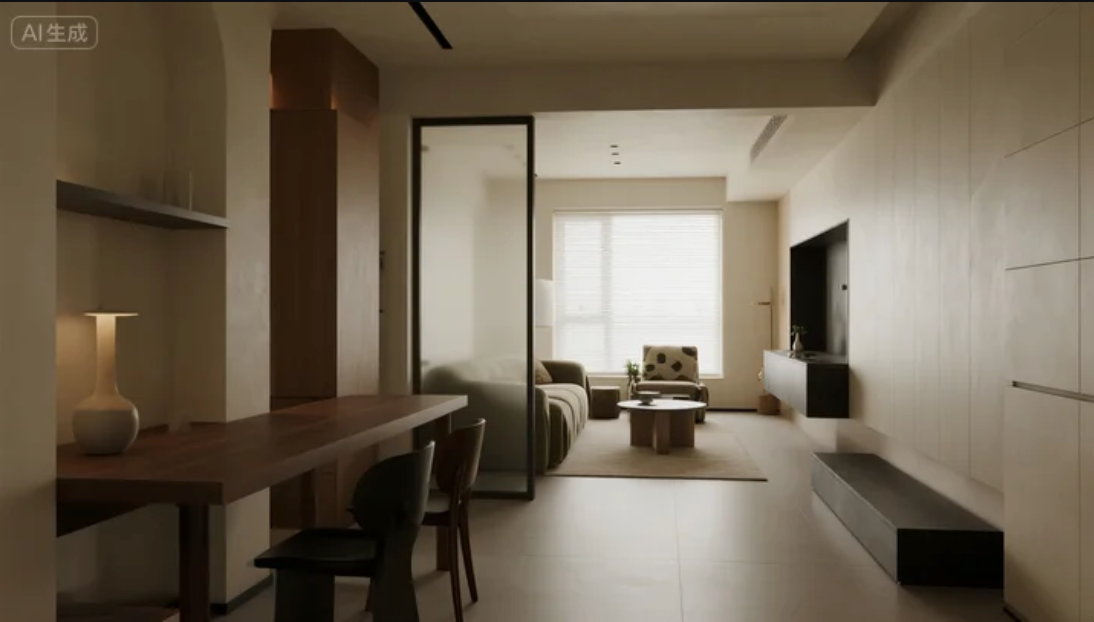
Arrange seating in a circular or U-shaped layout to encourage energy to circulate and to symbolize family unity.
- A U-shaped sofa embraces the space like open arms, gathering wealth and positive energy.
- An L-shaped sofa naturally protects the living room’s wealth corner, providing both stability and continuity of fortune.
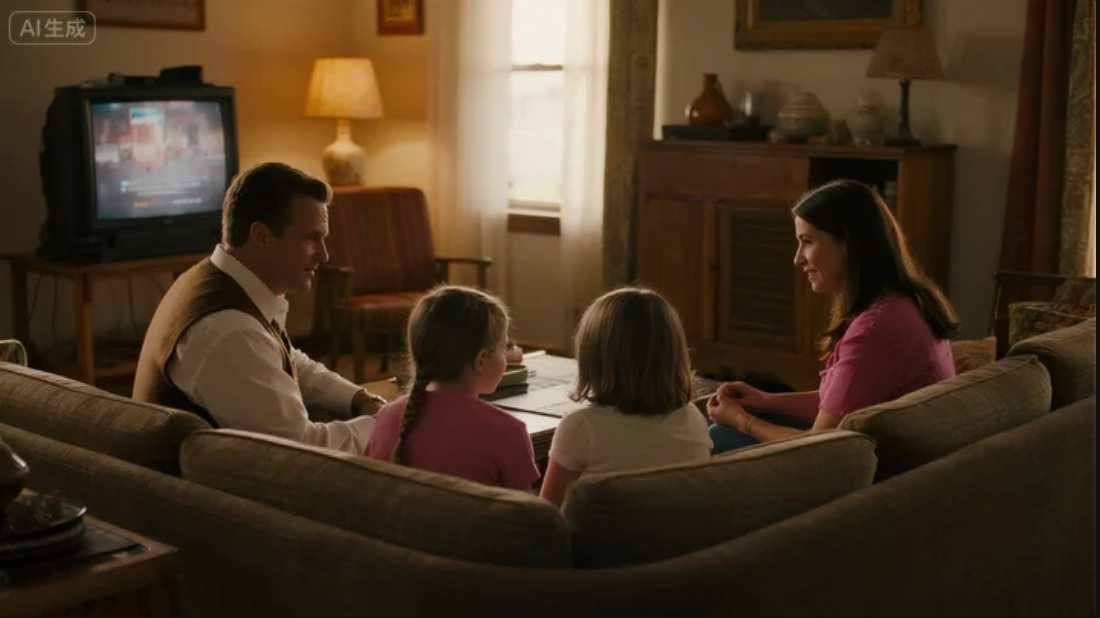
This type of arrangement also enhances conversation, improving family relationships and social harmony.
Avoid Beams and Heavy Lighting Overhead
Beams directly above sofas or chairs create the classic Feng Shui problem of “beam pressing down”, which produces invisible psychological pressure and may lead to health or financial difficulties.
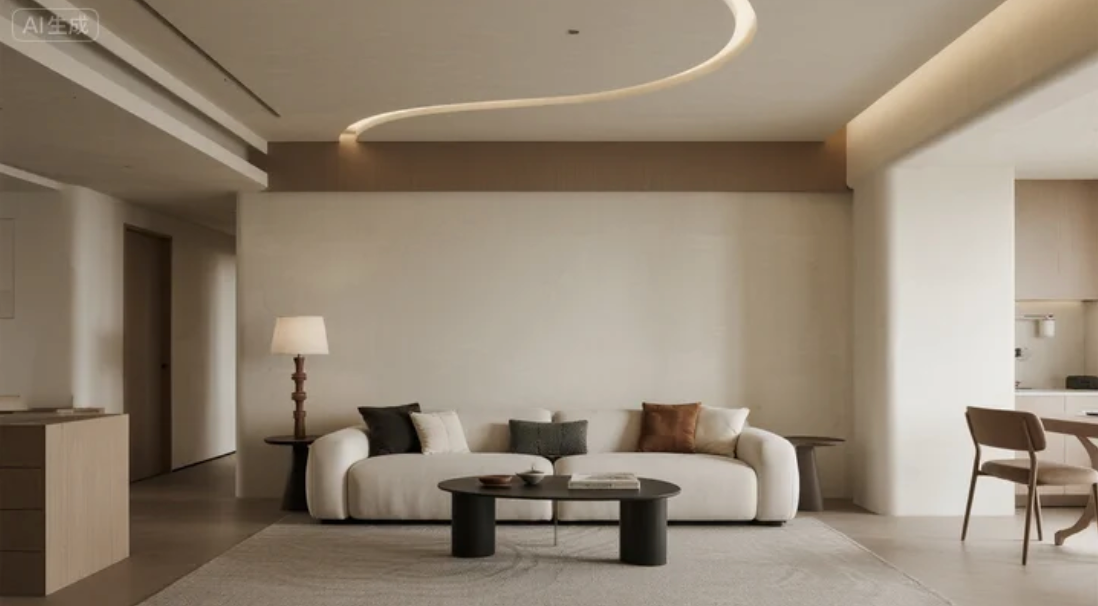
Solutions include covering beams with a false ceiling or using curved ceiling designs to disperse the effect. Similarly, avoid overly large, low-hanging chandeliers above seating areas, which create a feeling of oppression. Opt for flush-mounted or higher-positioned lights to maintain an open, comfortable space.
Furniture Size and Movement Flow
Furniture should be proportional to the living room size. Oversized furniture creates crowding and blocks qi flow, while furniture that is too small makes the space feel empty and cold, preventing energy from gathering.
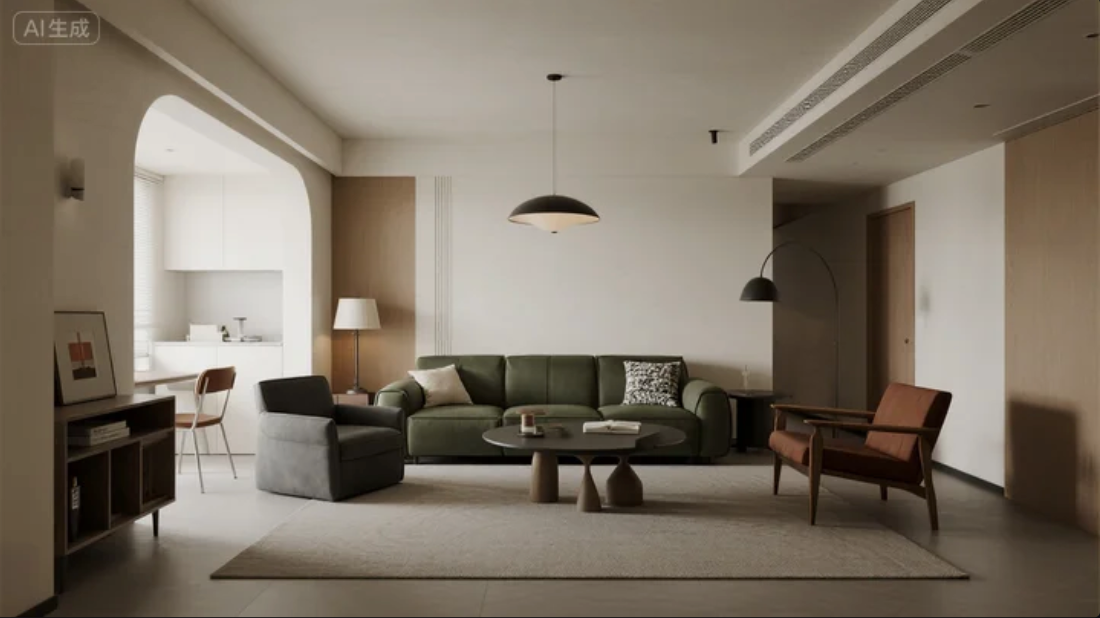
Leave adequate open space for energy circulation and avoid blocking exits or pathways with sofas, cabinets, or coffee tables. The flow of people—and energy—should be smooth and unobstructed.
Conclusion
Applying Feng Shui principles in the living room ensures a space that is not only aesthetically pleasing but also energetically balanced.
- Position the living room toward the front with abundant light.
- Maintain a square, spacious structure with smooth pathways.
- Arrange sofas with solid support and avoid harmful alignments.
- Keep furniture proportional and layouts harmonious.
By following these Feng Shui rules, you create a living room that fosters prosperity, harmony, and well-being for the entire household.