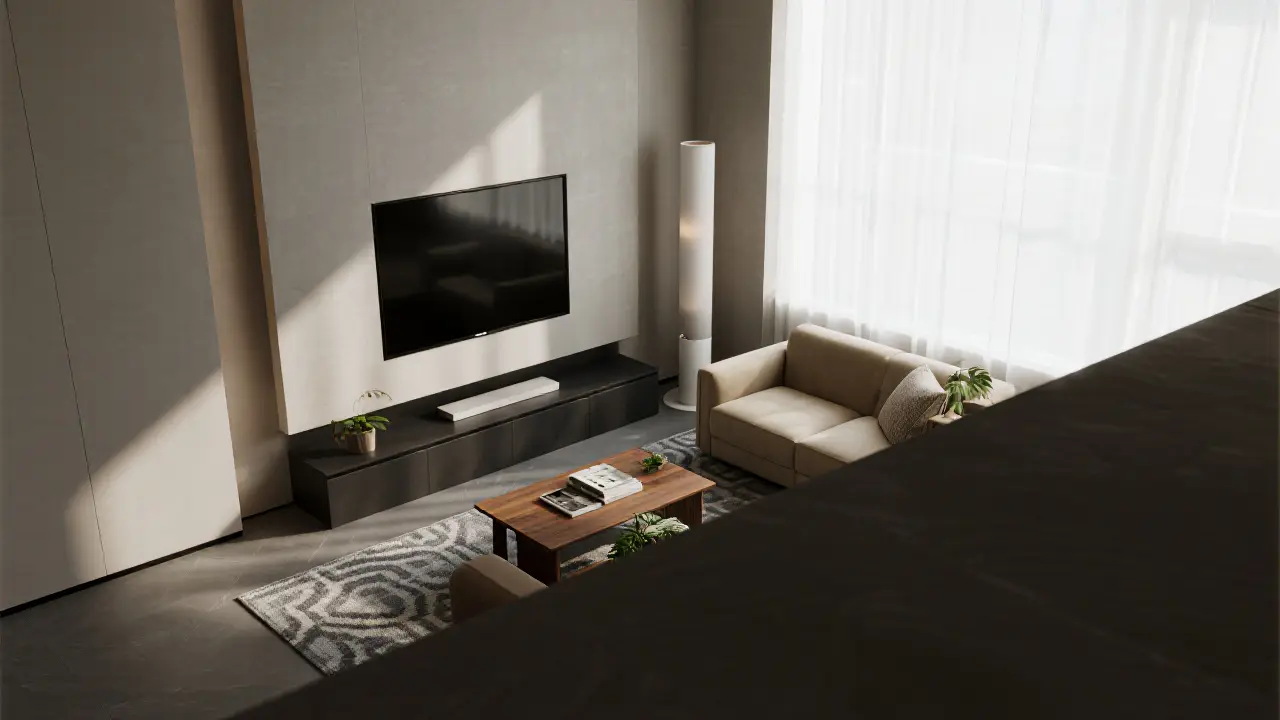
Understanding the Importance of Feng Shui in the Living Room
The living room is the heart of any home — a place for family gatherings, socializing, and relaxation. In the art of Feng Shui, the way you arrange your living space dramatically influences the flow of energy or Chi. A poorly arranged living room can feel cramped, cluttered, or even stressful, while a well-balanced layout invites harmony, conversation, and comfort.
Applying Feng Shui principles can improve the atmosphere, enhance your mood, and even positively influence relationships. The strategic placement of furniture, especially the sofa and TV, plays a crucial role in setting the tone of the space.
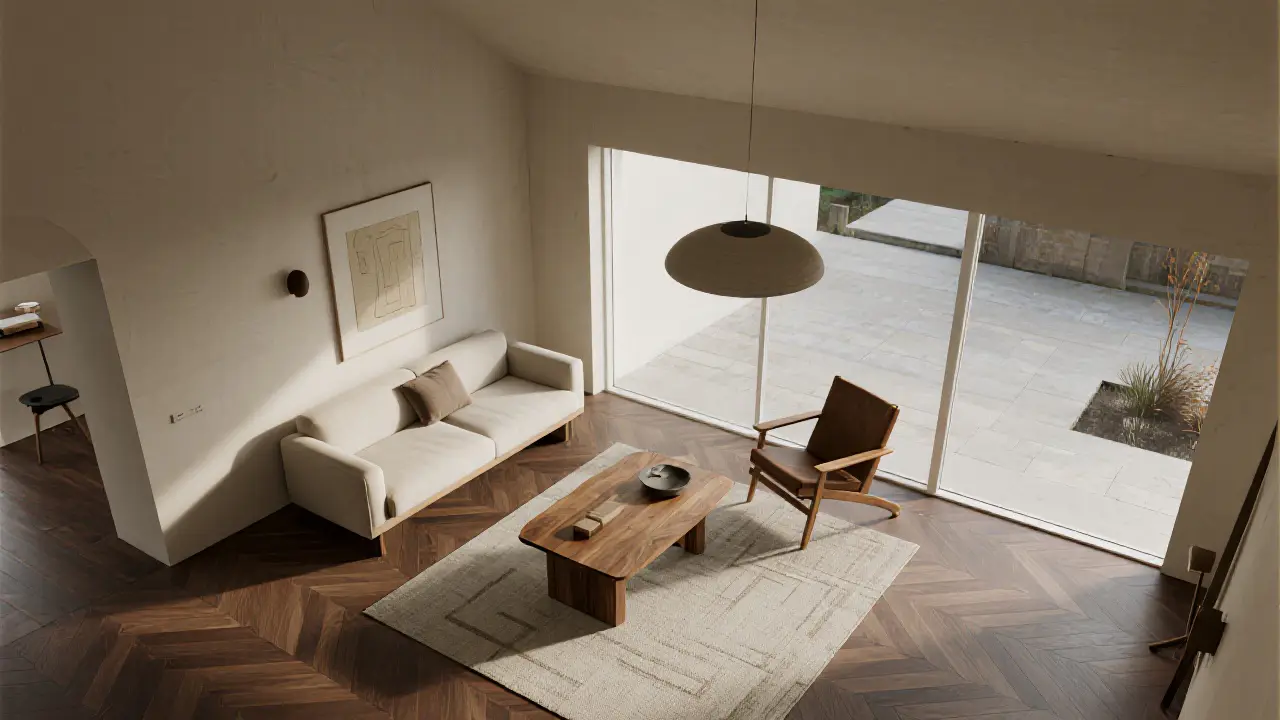
Core Feng Shui Principles for Living Room Layout
Before diving into sofa and TV positioning, it’s essential to understand the foundational Feng Shui concepts that apply to any living area.
- Commanding Position – The main seating area should allow you to see the entrance without being directly in line with it.
- Balanced Elements – Incorporate the five Feng Shui elements: wood, fire, earth, metal, and water to bring energetic balance.
- Clear Pathways – Avoid blocking walkways. Energy should flow easily without obstructions.
- Natural Light – Harness sunlight wherever possible to uplift the living space.
- Yin and Yang – Combine soft, calming aspects (yin) with lively, stimulating elements (yang) for a balanced ambiance.
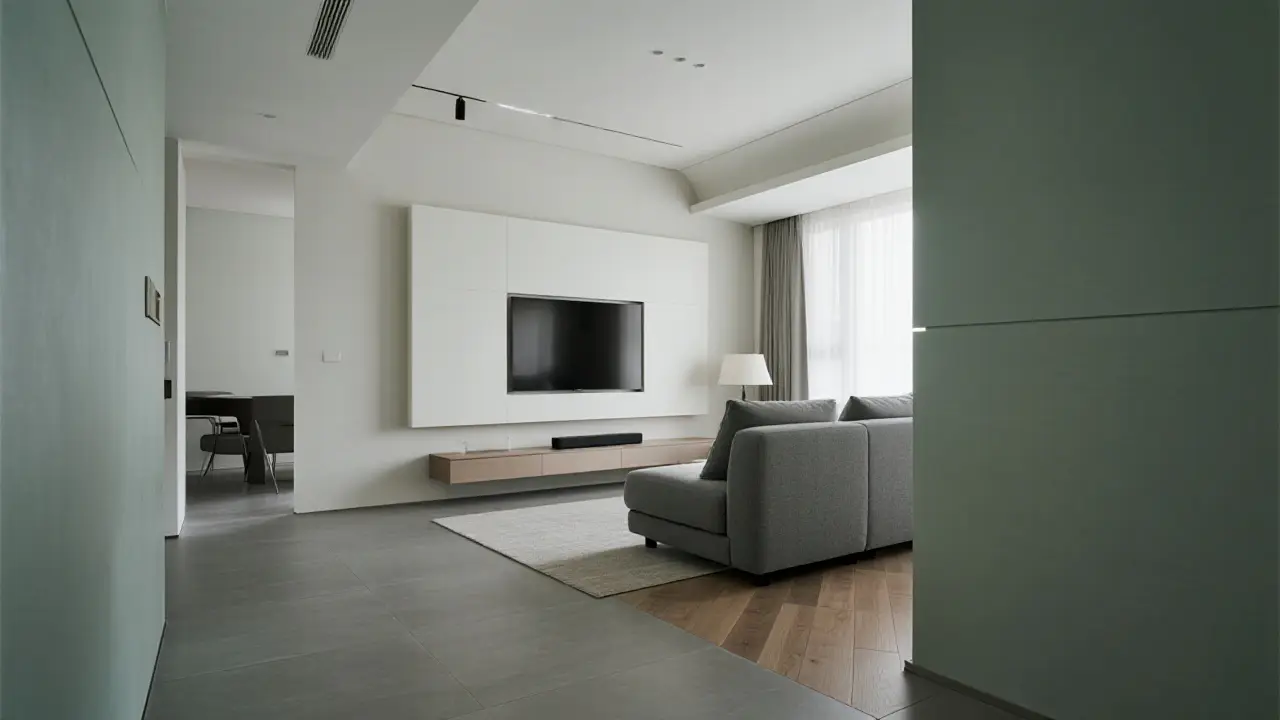
Best Sofa Placement for Positive Energy
The sofa is the anchor of the living room; it is where guests are welcomed and family members gather. Its placement directly impacts the room’s energy dynamics.
The Commanding Position Rule
In Feng Shui, the sofa should be positioned in what is known as the commanding position. This means:
- Your back should be against a solid wall for support and security.
- You should have a clear view of the main entrance without being directly in line with it.
- Avoid placing the sofa under a window, as this can lead to instability in energy flow.
Shape and Arrangement Considerations
Rounded or L-shaped sofas can encourage conversation and facilitate energy flow, whereas sharp corners may create energetic “poison arrows.” If you have a sectional sofa, position it so that the longer side is against the wall, and the open end faces the main activity area or entrance.
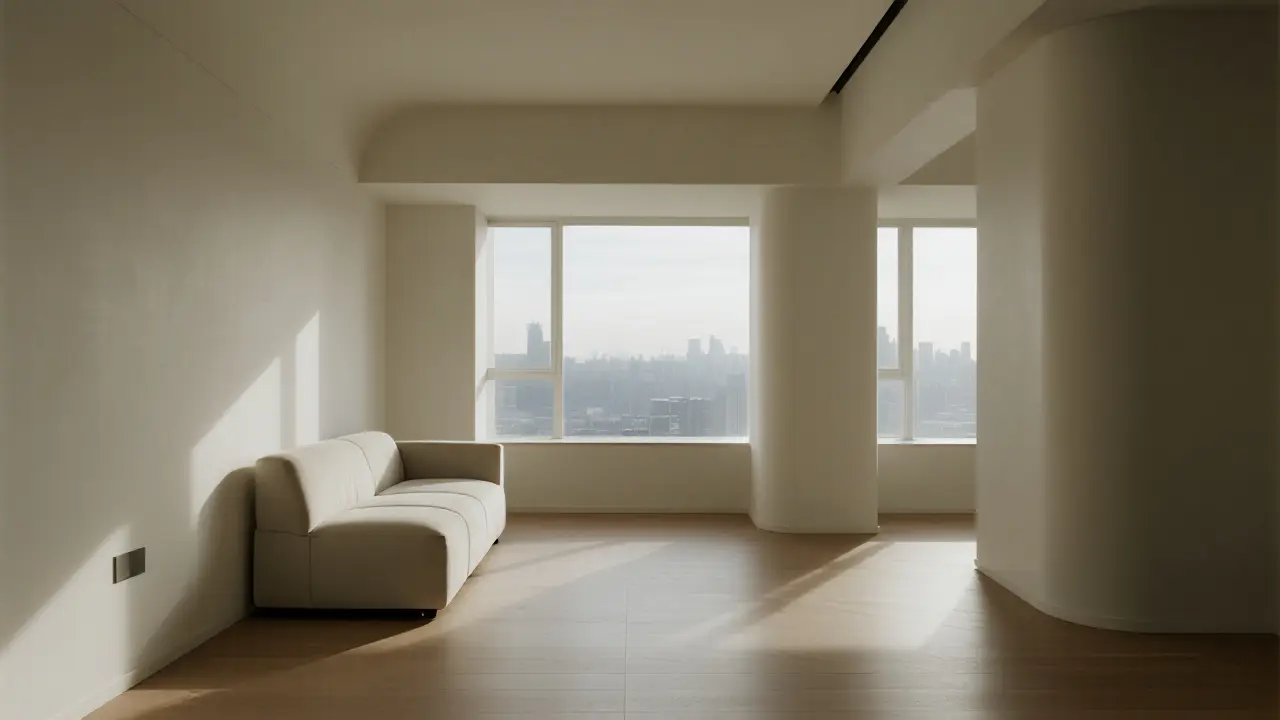
Optimal TV Placement According to Feng Shui
Televisions carry strong yang energy due to the light, movement, and activity they emit. Balancing this with the more tranquil yin energy in your living room is essential to prevent restlessness.
Finding the Right Wall
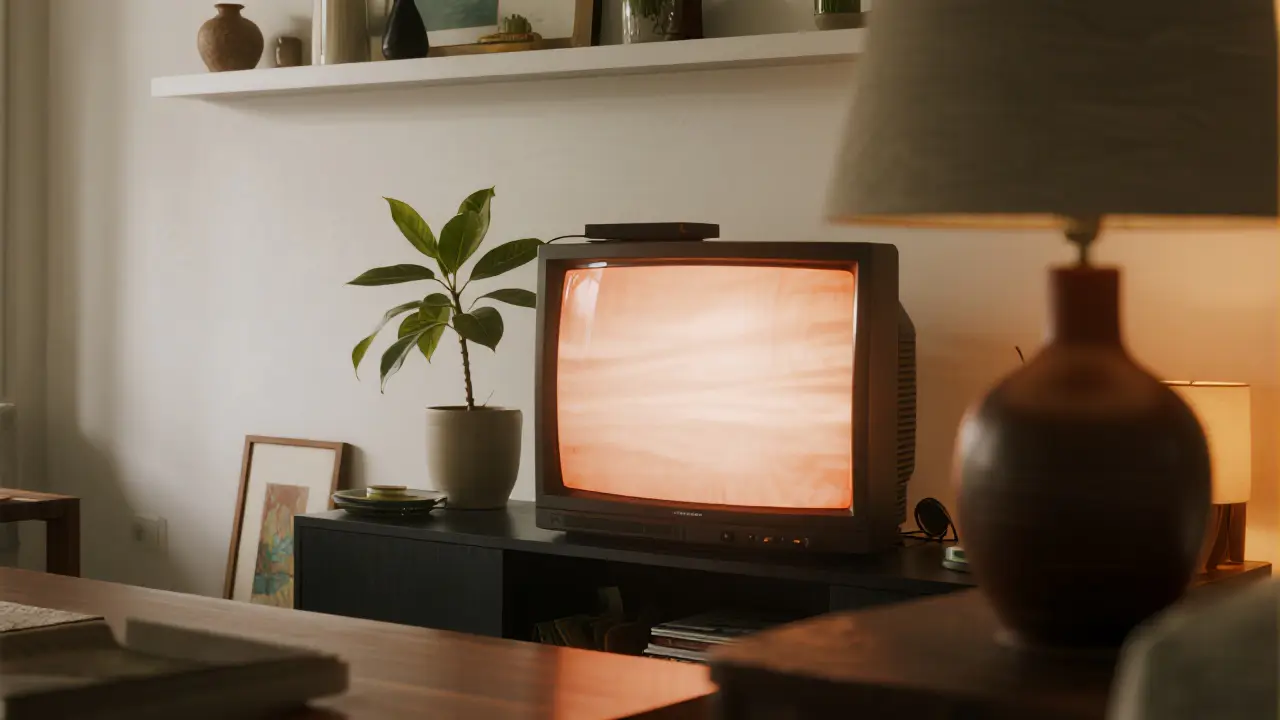
Whenever possible, place the TV against a solid wall, avoiding positions directly opposite the main entrance. If the TV must face the entrance, counterbalance its energy with plants, artworks, or soft lighting nearby.
Avoiding Energy Disruption
In Feng Shui, mirrors are sometimes placed to expand space, but placing a mirror opposite the TV can double and amplify its energy, creating restlessness. If your living space is small, use muted wall colors or fabric panels instead of mirrors to bring openness without overstimulating yang energy.
Balancing Sofa and TV Placement Together
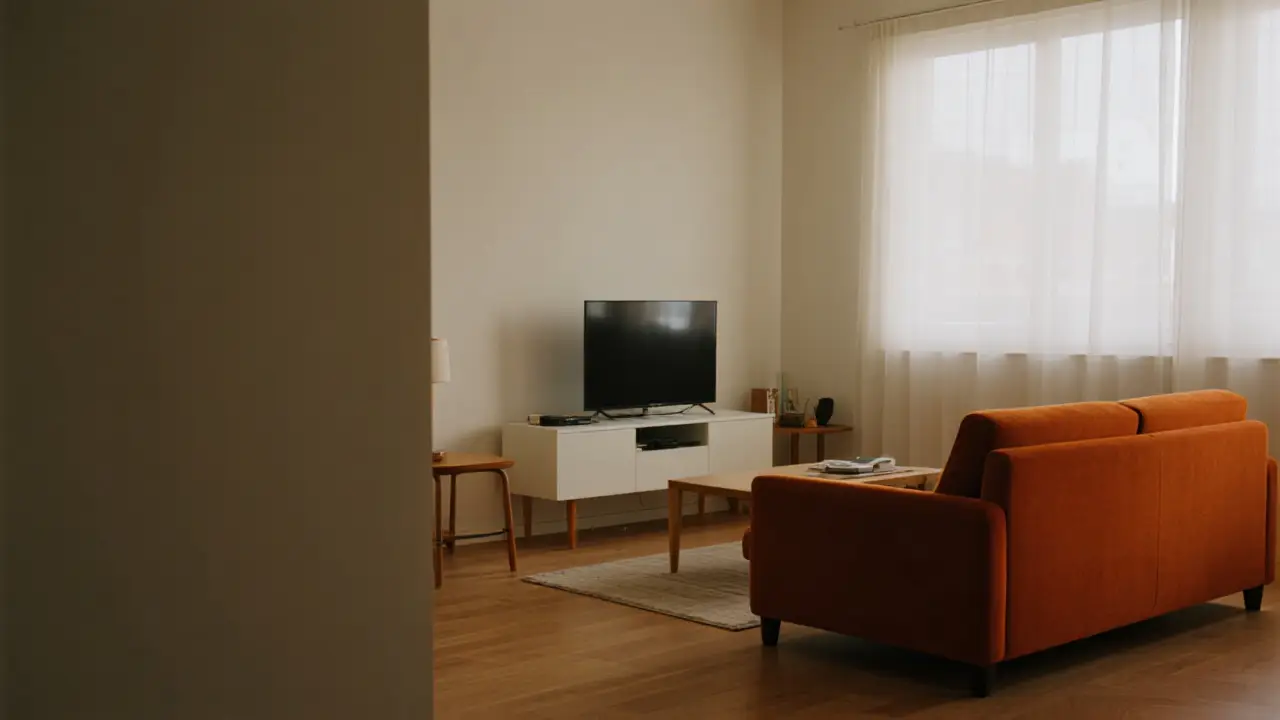
The sofa and TV are often the two largest focal points in a living room. Achieving harmony between them is essential for both comfort and energetic balance.
- Place the sofa so occupants can view the TV comfortably without straining their neck or posture.
- Ensure there is adequate space between the sofa and TV stand to avoid cramped energy.
- If possible, position both in a way that allows side or angled light to prevent glare and eye strain.
- Include soft furnishings, rugs, and cushions to soften the yang energy of the TV and technological devices.
Lighting and the Energy of the Room
Light is a vital element in Feng Shui, influencing mood, perception of space, and the quality of Chi. Incorporating different layers of lighting helps maintain balance.
Natural vs. Artificial Light
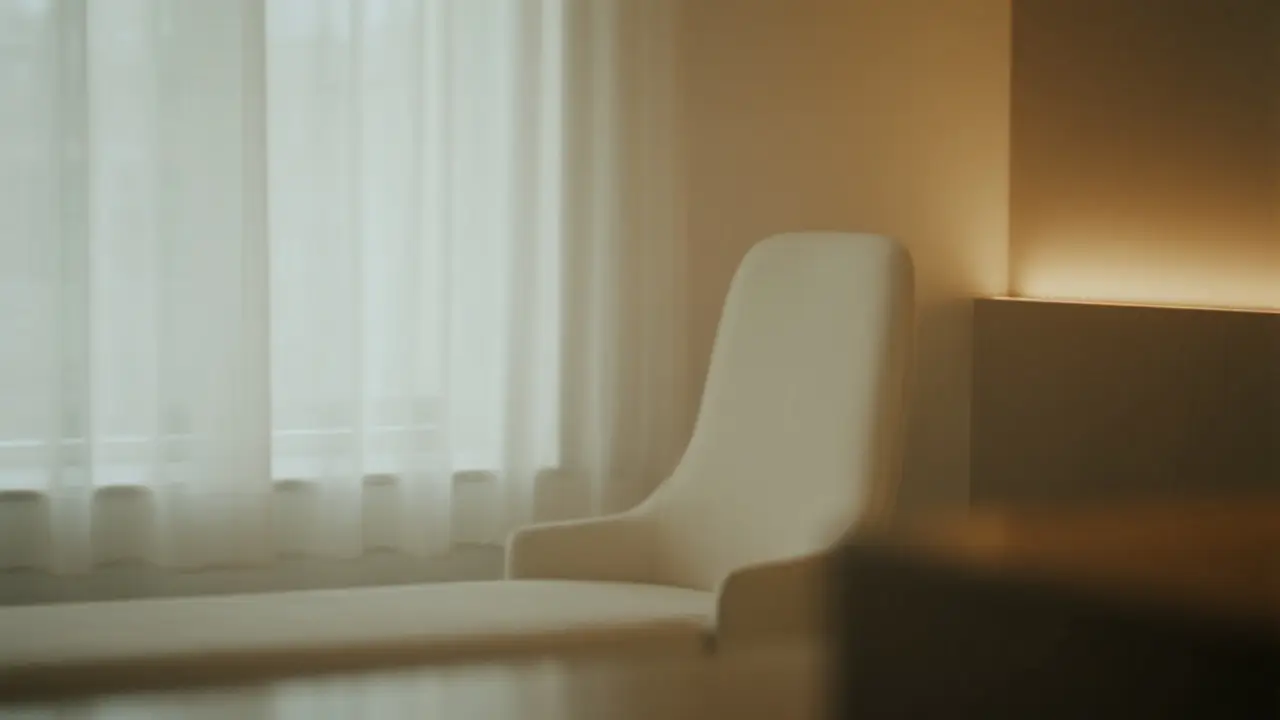
Maximize the use of natural light by keeping windows unobstructed and using light, airy curtains. Complement with warm artificial lighting in the evenings to maintain a cozy atmosphere.
Strategic Light Placement
- Use floor or table lamps in dim corners to eliminate stagnant energy zones.
- Avoid harsh overhead lighting that creates strong shadows.
- Consider dimmer switches for flexible energy control throughout the day.
Decor Elements to Enhance Feng Shui
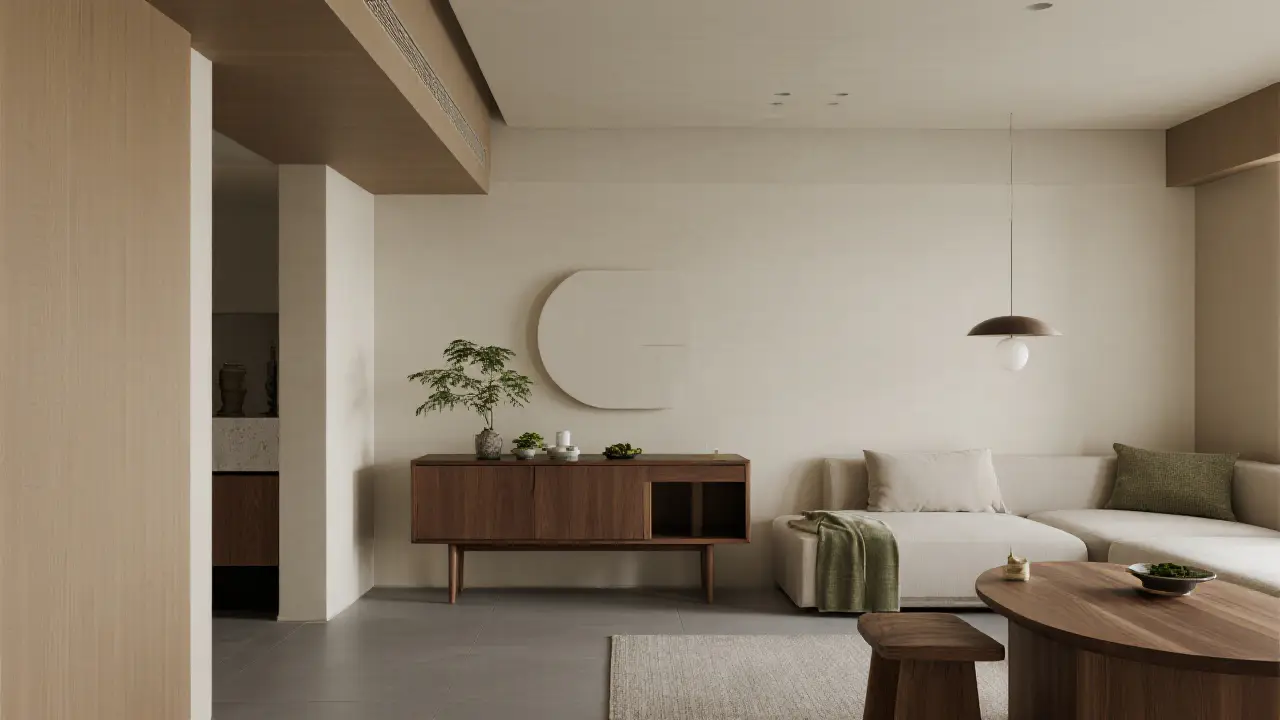
Besides sofa and TV positioning, your choice of decorative items can either elevate or disrupt your living room’s Feng Shui.
- Plants – Represent the wood element and bring fresh energy.
- Water Features – A small indoor fountain can invoke prosperity, but avoid placing it directly behind the sofa.
- Artworks – Choose pieces that evoke positivity and balance rather than conflict or isolation.
- Textiles – Cushions, rugs, and curtains in harmonious colors and textures contribute to balance.
Common Feng Shui Mistakes to Avoid
Even with the best intentions, some common errors can weaken your living room’s positive energy flow.
- Placing sofas with their backs to the entrance, creating a sense of vulnerability.
- Allowing clutter to accumulate, leading to stagnant Chi.
- Positioning the TV or sofa in direct line with doors, causing energy to rush through too quickly.
- Overusing bright colors or harsh lighting, which overstimulates the space.
Using Modern Tools for Feng Shui Layout Optimization
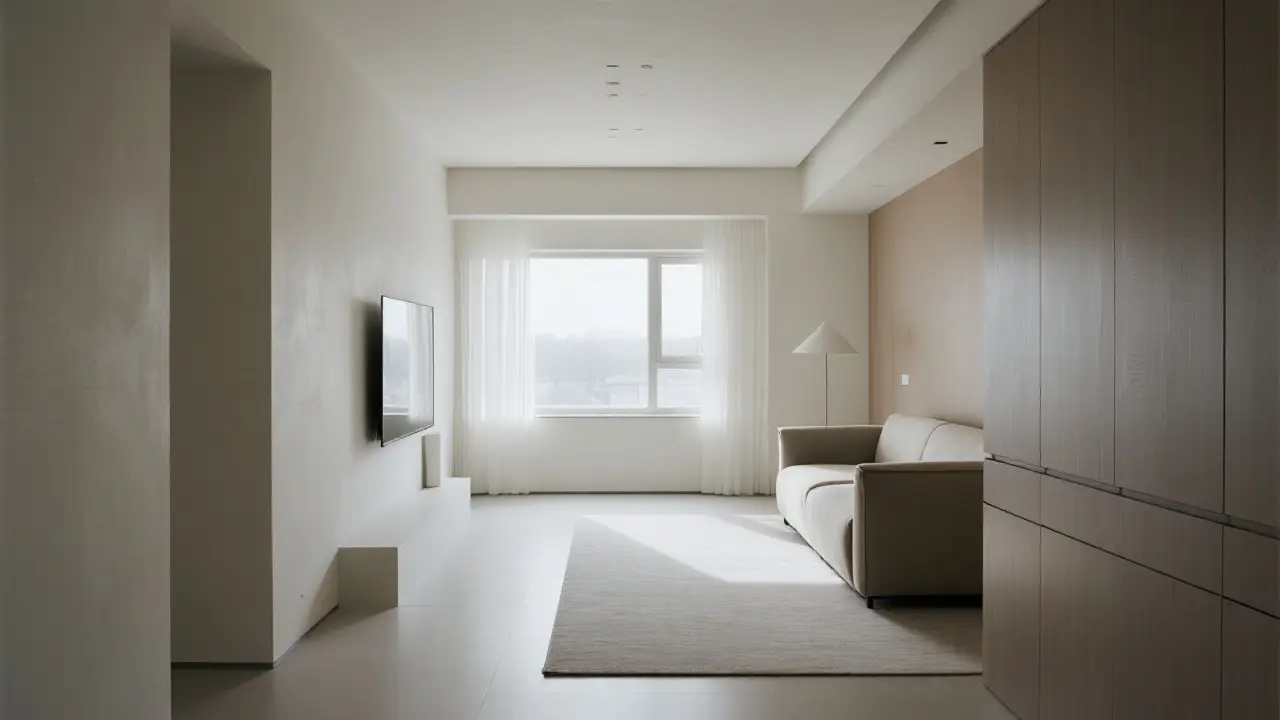
While traditional Feng Shui relies on observation and intuition, modern technology now enables homeowners to analyze and optimize their layouts with precision. Tools like the Feng Shui Living Room Generator allow you to upload your living room floor plan and receive customized Feng Shui layout recommendations for sofa, TV, and other furniture placements.
By combining centuries-old wisdom with AI-powered insights, you can create a living space that harmonizes with both traditional principles and your modern lifestyle.
Final Thoughts: Creating Harmony in Your Living Room
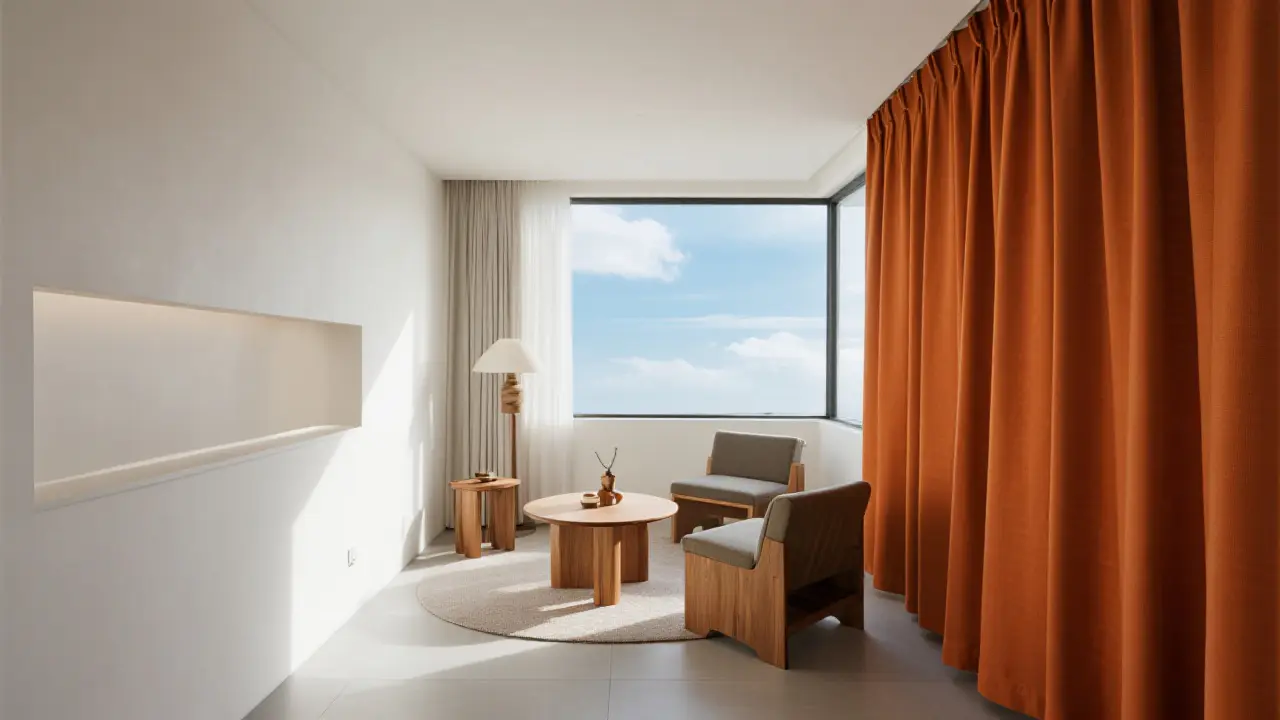
The placement of the sofa and TV under Feng Shui principles is not just about aesthetics — it’s about fostering harmony, safety, and comfort. By following the guidelines above and making mindful adjustments, you can transform your living room into a vibrant, welcoming, and energetically balanced hub of your home.
If you are ready to start optimizing your layout, consider using the Feng Shui Living Room Generator to guide your arrangements based on your room’s unique dimensions and flow.