Introduction to Garden Feng Shui in 2026
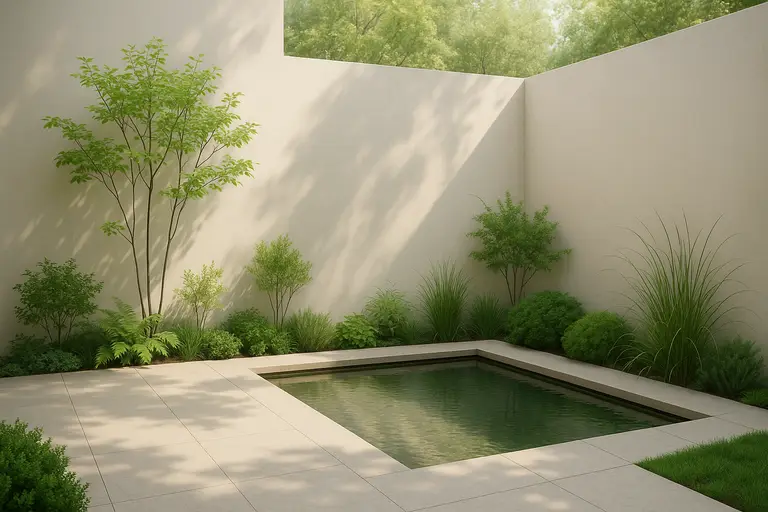
Feng Shui, the ancient Chinese art of harmonizing living spaces, has seen renewed interest in recent years as people seek deeper connections with nature and ways to infuse their surroundings with balanced energy. In 2026, garden Feng Shui is not just about placement; it’s about integrating natural elements thoughtfully to foster prosperity, serenity, and well-being. Outdoor space is increasingly recognized as an extension of the home’s energy field, influencing both mental and physical health.
With advances in sustainable landscaping, plant science, and design trends, garden Feng Shui now embraces eco-conscious choices alongside the traditional principles of earth, water, wood, fire, and metal elements. Homeowners are blending ancient wisdom with modern aesthetics to create outdoor sanctuaries that nurture the soul and attract positive chi.
Best Plant Choices and Arrangements in 2026
In Feng Shui, plants represent the wood element, symbolizing growth, vitality, and renewal. For 2026, certain plant species are emerging as favorites due to their beauty, resilience, and energetic qualities. The emphasis is on plants that thrive in your local climate while supporting the desired flow of energy in the garden.
Choosing Feng Shui-Friendly Plants
- Bamboo: Long considered a symbol of flexibility and strength, bamboo provides natural privacy screens and soothing movement in the wind.
- Peonies: Representing wealth and romance, peonies are perfect for attracting luck and prosperity when planted in the southwest section of the garden.
- Ornamental citrus trees: These produce fruit and vibrant color, symbolizing abundance and health.
- Lavender: Promotes relaxation and reduces mental stress while inviting pollinators.
- Jade plant: Known as the money plant, it's often placed near entrances to invite wealth energy.
Arranging Plants for Positive Energy
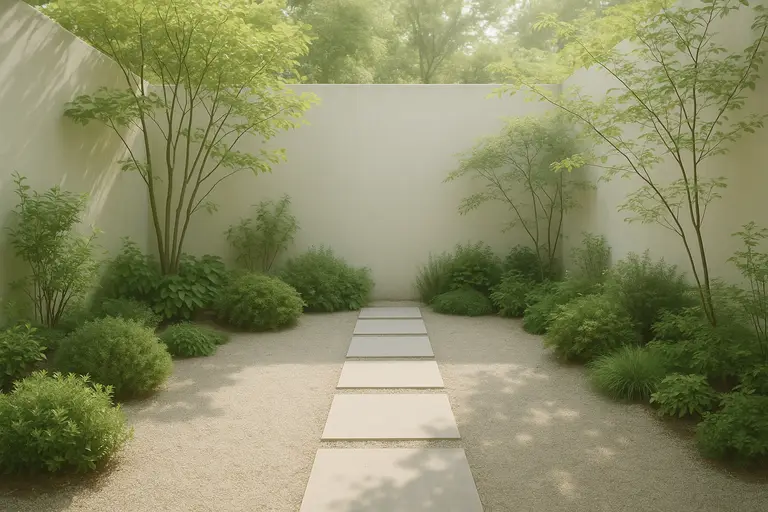
Plant arrangement in Feng Shui follows the principle of guiding the chi smoothly throughout the space. This means avoiding sharp corners, harsh lines, or cluttered planting arrangements. Layering plants of varied heights creates visual harmony and encourages energy to flow gently from one area to another.
You may position taller plants or trees toward the back of garden beds to create protection and structure, while lower ground covers or flowering shrubs can soften edges and invite guests deeper into the garden. Circular or curved planting layouts are favored over straight rows, as they help mimic the natural meandering of chi.
Seasonal Planting Considerations
In 2026, many garden Feng Shui experts advocate planting in tune with seasonal cycles. This approach supports the balance of yin and yang energies across the year. Spring, associated with renewal and yang energy, is ideal for planting strong-growing species. Autumn, rich in yin qualities, favors plants known for storing energy and providing stability.
Water Features and Pathways for Positive Chi
Water in Feng Shui represents wealth, abundance, and the smooth circulation of opportunities. Thoughtfully placed water features can act as magnets for prosperity while also calming the emotions and reducing stress. Pathways, on the other hand, guide the movement of both people and energy through the garden.
Integrating Water Elements
- Ponds and reflective pools: These invite depth and contemplation, best positioned in the southeast to stimulate wealth.
- Fountains: Flowing water symbolizes constant movement of resources. Flowing toward the home is considered especially auspicious.
- Birdbaths: Small, gentle water features encourage wildlife and create light-hearted energy.
When installing water features, circulation and cleanliness are essential. Stagnant water can harbor negative energy, so regular maintenance and filtering keep chi fresh and beneficial.
Designing Pathways for Energy Flow
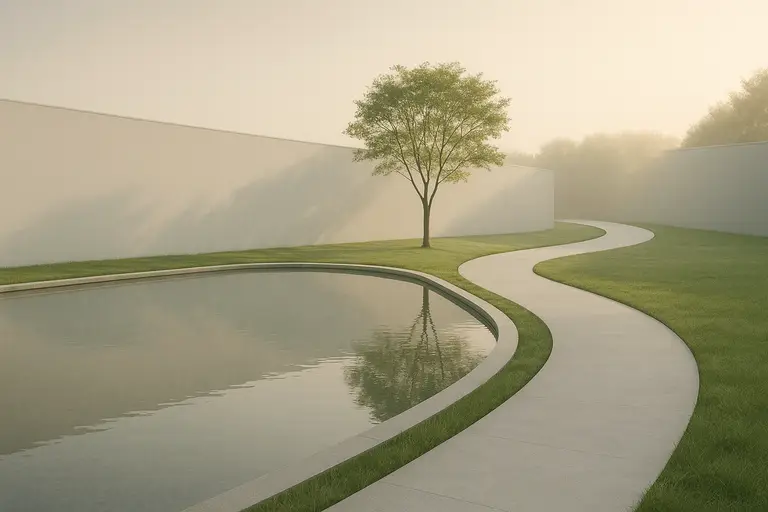
Garden pathways should follow curves rather than sharp angles. In Feng Shui, meandering paths slow down the movement of chi, allowing it to nourish every part of the garden rather than rushing straight out. Materials for pathways in 2026 are trending toward permeable, natural options like stone, timber, and gravel, which help connect visitors to the earth element.
Ensure paths are well-lit, lined with plants or subtle accents, and lead naturally to focal points such as seating areas or entrances. Avoid dead ends where energy can stagnate; instead, create soft loops or connections that keep movement continuous.
How Outdoor Feng Shui Affects Indoor Harmony
Feng Shui regards the home as part of a larger energetic ecosystem where the outdoors and indoors are inseparably linked. The energy circulating in the garden directly influences the mood, relationships, and even career prospects of those living inside.
Connection Between Garden Layout and Indoor Energy
A front garden acts as the energetic face of the household, impacting first impressions and the type of energy entering the home. Placing vibrant plants near the entrance invites positive chi; conversely, obstructing the pathway can deter it. Similarly, the backyard represents stability and support, offering a place for the family’s energy to settle and grow.
Transitional Design for Seamless Energy Flow
- Use consistent themes between indoor and outdoor décor to reinforce harmony.
- Place large windows where gardens or water features can be seen clearly from inside, strengthening visual and energetic connection.
- Incorporate patio spaces or verandas as energy bridges between interior comfort and outdoor freshness.
This seamless transition ensures the positive chi cultivated in the garden continues to influence the household environment productively.
Balancing the Five Feng Shui Elements Outdoors
Feng Shui revolves around balancing wood, fire, earth, metal, and water elements. A garden provides an ideal canvas to integrate all five harmoniously for maximum benefit.
Element Integration Strategies
- Wood: Plants, trees, bamboo structures, and timber furniture.
- Fire: Outdoor lighting, fire pits, colorful red or orange flowers.
- Earth: Clay pots, stone pathways, and structured landscapes.
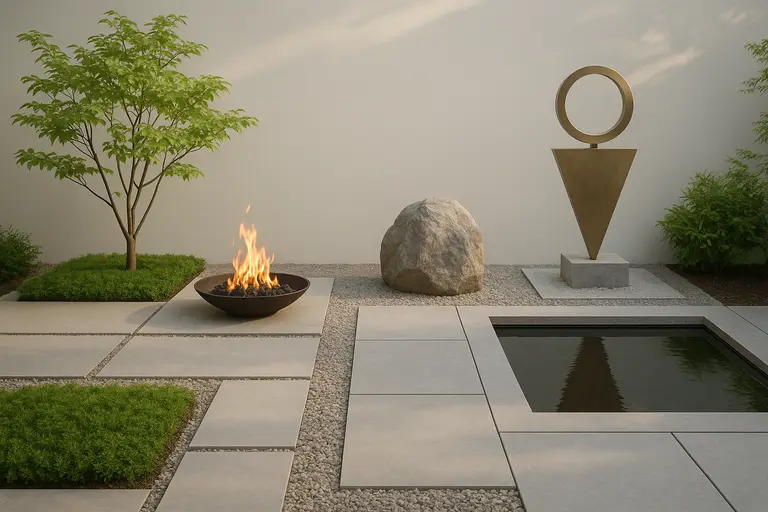
- Metal: Garden sculptures, wind chimes, and metal furniture.
- Water: Fountains, ponds, and reflective surfaces.
Maintaining balance is key; an overpowering presence of one element can disrupt the natural energy flow. For example, too much water without earth structures to contain it might lead to emotional instability, while excessive fire elements might create restlessness.
Feng Shui Tips for Small Outdoor Spaces
Not every outdoor space has the scale of a sprawling garden; apartments with balconies or tiny courtyards can still benefit immensely from Feng Shui principles. In 2026, urban gardens are increasingly curated for both visual beauty and energetic balance.
Maximizing Limited Space
- Choose vertical gardens or trellises to introduce the wood element without consuming floor space.
- Use mirrored panels to amplify light and give the illusion of greater depth.
- Create mini water features using tabletop fountains or small planters with aquatic plants.
Even with limited space, thoughtful design can create a microcosm of prosperity and tranquility. The key is mindful arrangement rather than overfilling the area.
Seasonal Garden Feng Shui Care
Maintaining a Feng Shui garden is not a one-time effort. Seasonal adjustments ensure that energy remains balanced throughout the year and adapted to changes in environment and lifestyle.
Seasonal Energy Adjustments
- Spring: Introduce fresh plants and clean water features to harness yang energy.
- Summer: Manage fire elements with cooling shades and water to prevent over-energizing.
- Autumn: Incorporate earthy tones, add wind chimes to accentuate the metal element.
- Winter: Keep pathways clear and use evergreen plants to maintain vitality and wood energy.
Incorporating seasonal rhythms helps your garden align with the natural cycles, boosting both visual appeal and energetic harmony.
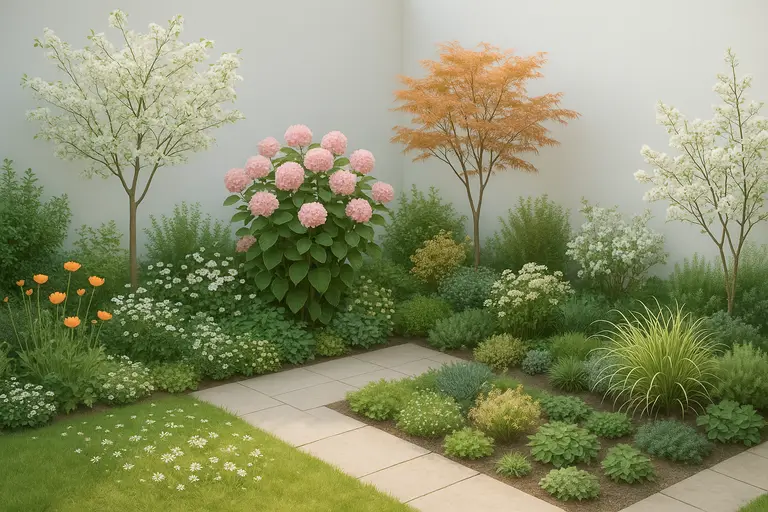
Feng Shui Color Psychology for Gardens
Colors carry deep symbolic meanings in Feng Shui, influencing emotions and energy in subtle yet potent ways. In a garden, color choices impact not only aesthetic balance but also the vibrational frequency of the space.
Color Placement Guidelines
- Red and orange: Add passion and vitality. Best used in active spaces for gatherings.
- Green: Enhances renewal and life force, ideal for meditation zones.
- Blue: Calms emotions; works beautifully near water features.
- Yellow: Invites joy and confidence, perfect for welcoming areas.
- White: Symbolizes purity, often used for pathways or bordering plants.
Strategic use of color ensures each area of the garden has its own energetic identity while still contributing to unified harmony.
Conclusion: Designing Your 2026 Feng Shui Garden
As we step into 2026, embracing garden Feng Shui is both a creative and spiritual practice. Whether you’re cultivating lush greenery, installing a soothing water feature, or aligning pathways with nature’s flow, every design choice becomes a step toward prosperity and calm. Your outdoor space is more than a decorative backdrop; it’s a living, breathing source of energy that supports the home and its inhabitants.
By carefully selecting plants, balancing the five elements, and ensuring seasonal harmony, you create not just beauty, but a constant source of renewal. Remember, Feng Shui is not rigid—it flows with your life. Let your garden evolve, listen to its rhythms, and allow it to be a direct channel for the positive chi that brings abundance, joy, and serenity to your world.