Introduction to Feng Shui and Its Importance
Feng Shui is an ancient Chinese practice that focuses on harmonizing the energy, or chi, within a space to promote well-being, prosperity, and happiness. It has been used for centuries to create balance in homes, offices, and gardens by positioning furniture, colors, and elements in alignment with natural energy flows.
In recent years, digital tools have made it easier than ever to apply Feng Shui principles to your home design. Homeowners and interior designers can now visualize Feng Shui arrangements and experiment with layouts without moving a single piece of furniture physically.
Whether you're new to Feng Shui or an experienced practitioner, the right online tools can save you time, offer inspiration, and help you optimize your space for better energy flow.

Why Use Online Feng Shui Room Planning Tools?
Traditionally, applying Feng Shui involved consulting with experts, studying floor plans, and manually adjusting elements to achieve balance. While these methods still provide rich insights, online room planning tools have introduced a new level of accessibility and convenience.
- Instant Visualization: See how your room would look after adjustments without committing to changes physically.
- Cost-Effective: Many online tools are free, which makes them ideal for beginners or those on a budget.
- Easy to Use: Drag-and-drop interfaces, virtual compass readings, and automated suggestions simplify the Feng Shui process.
- Personalized Advice: Some tools offer AI-driven layouts that tailor recommendations based on your specific room dimensions and preferences.

Features to Look for in a Feng Shui Planning Tool
Not all room planning tools are created equal. A good Feng Shui tool should go beyond standard interior design software by incorporating specific elements and principles related to energy flow.
- Bagua Map Integration: The tool should allow you to overlay the Bagua map onto your floor plan to identify prosperity, love, career, and other life areas.
- Compass Direction Analysis: Accurate compass positioning is essential for aligning your furniture to the optimal directions.
- Element Balance: Tools that highlight the balance of the five Feng Shui elements—wood, fire, earth, metal, and water—provide deeper insights.
- Customizable Floor Plans: Upload your own floor plan or create one from scratch within the tool.
- Color and Material Recommendations: Suggestions for colors, textures, and materials based on Feng Shui rules can enhance energy flow.
Top Free Feng Shui Room Planning Tools
There are several free resources online that can help you get started with Feng Shui planning. Some are dedicated Feng Shui apps, while others are general room planners that include Feng Shui features.
1. AI Feng Shui Bedroom Layout Generator
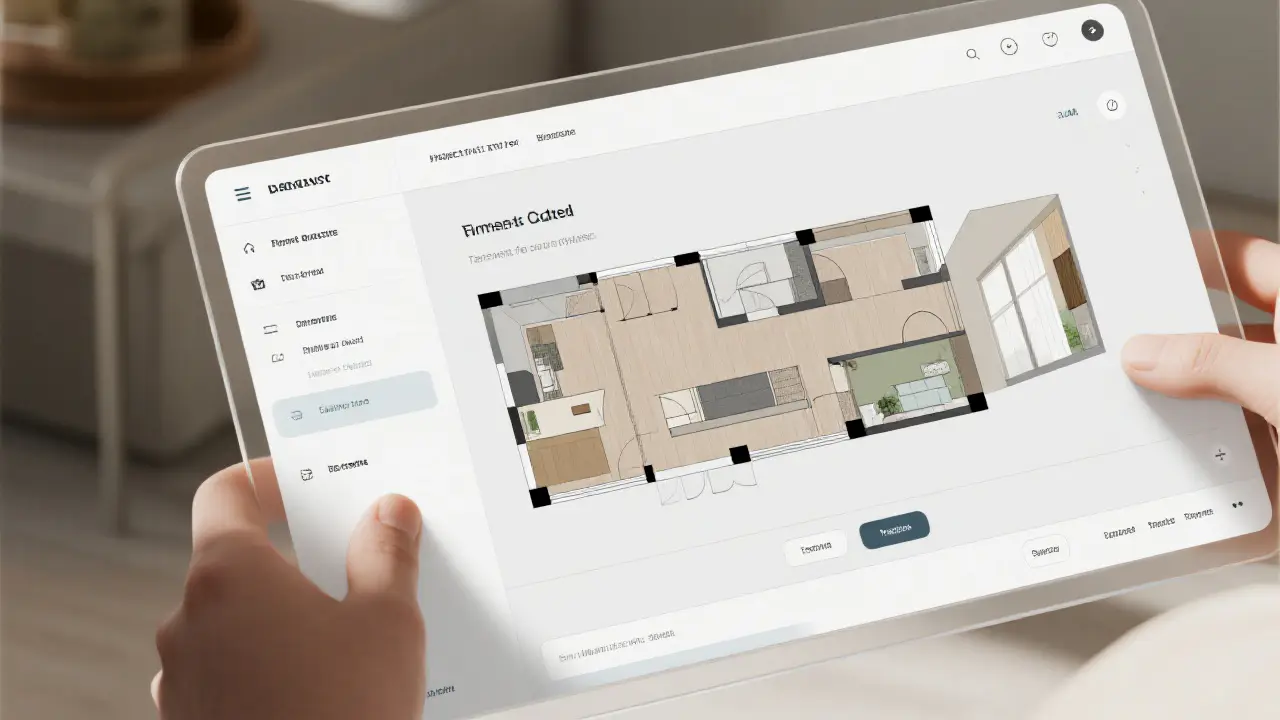
One of the most innovative tools available is the AI Feng Shui Bedroom Layout Generator. This free online tool allows you to upload your bedroom floor plan, and artificial intelligence will analyze it according to Feng Shui principles. It then generates personalized recommendations on how to improve energy flow, bed placement, lighting, and decor.
- Upload your exact bedroom layout for precise suggestions.
- Receive AI-powered advice tailored to your space and lifestyle.
- Experiment with multiple layouts without physically rearranging furniture.
This tool is perfect for anyone looking to optimize their bedroom—a space closely tied to health, relationships, and rest—without the cost of hiring a consultant.
2. SmallBluePrinter Room Planner
While not solely focused on Feng Shui, SmallBluePrinter offers an intuitive room planner where you can create floor plans and manually apply Feng Shui guidelines. You can visualize positioning and experiment with different placements to see which feels most balanced.
3. Floorplanner with Feng Shui Add-ons
Floorplanner is a popular general room design tool, and many Feng Shui practitioners use it by customizing furniture placement according to compass directions and the Bagua map. The free tier offers enough features for basic Feng Shui projects.
4. Garden Puzzle for Outdoor Feng Shui
Since Feng Shui applies to your exterior spaces as well, Garden Puzzle allows you to design gardens that enhance energy flow into your home. You can choose plants, paths, and water features based on Feng Shui landscaping principles.
Using the Bagua Map in Online Tools
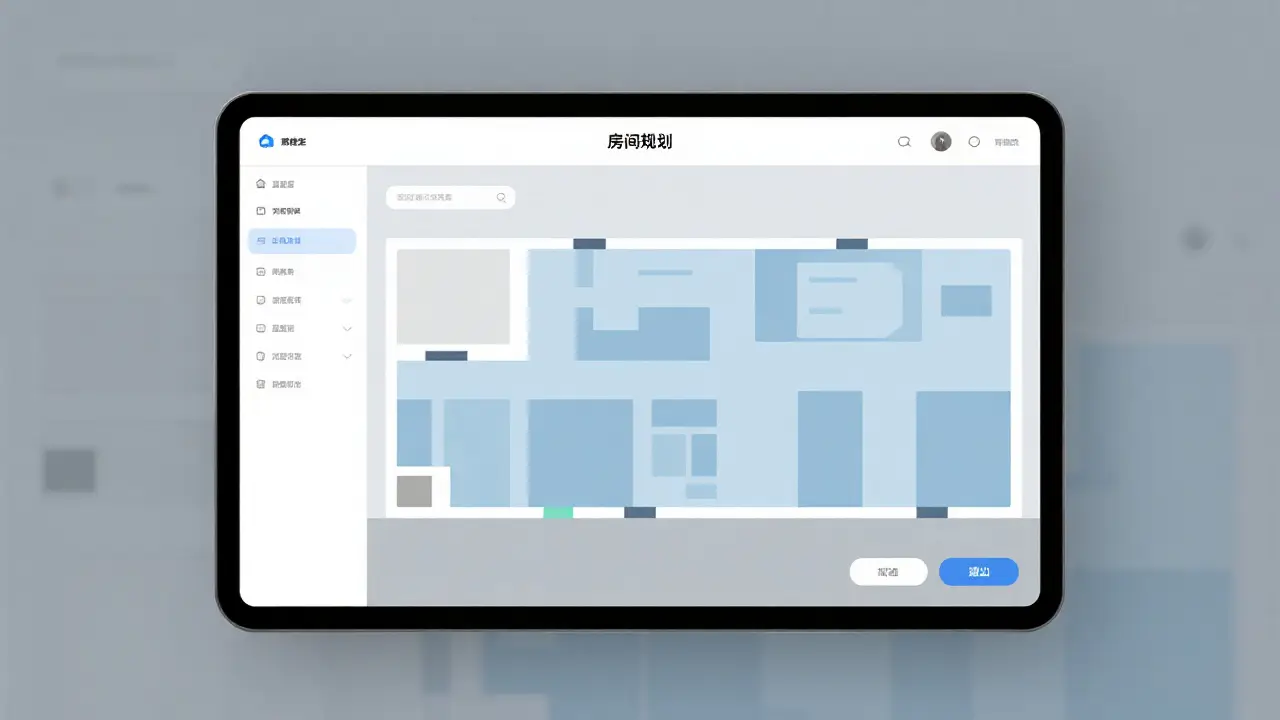
The Bagua map is central to Feng Shui and divides a space into areas representing different aspects of life, such as wealth, family, and health. Understanding how to superimpose the Bagua map onto your floor plan can help you identify which parts of your home need enhancement.
- Wealth Area: Often located in the back left corner of your home from the entry point. Enhancements can include plants or purple decor.
- Relationship Area: Generally in the back right corner; improvements here could involve pairs of objects or warm colors.
- Career Area: Typically found at the front center of your floor plan, associated with the water element.
When using an online tool, choose one that allows easy overlay of the Bagua map to simplify this process.

Tips for Maximizing Feng Shui Benefits in Room Planning
Even with the best tools, understanding some fundamental Feng Shui tips will help you make the most of your designs. Here are some practical guidelines:
- Keep pathways clear to promote good energy circulation.
- Position your bed or desk so you have a clear view of the door without being directly in line with it.
- Avoid placing mirrors directly opposite your bed, as this can disrupt restful energy.
- Introduce natural elements like plants, water features, and natural light.
- Declutter regularly to keep energy fresh and vibrant.

Step-by-Step Guide to Planning Your Room with Feng Shui Tools
Applying Feng Shui to your space is easier when you follow a clear process. Using a tool like the AI Feng Shui Bedroom Layout Generator, here’s a typical workflow:
- Measure your room and create or obtain a floor plan.
- Upload your plan to the chosen Feng Shui tool.
- Overlay the Bagua map to identify key energy areas.
- Use AI or manual adjustments to rearrange furniture according to Feng Shui recommendations.
- Review suggestions for colors, materials, and lighting.
- Apply small changes first, then reassess the room’s energy before making major adjustments.
Benefits of AI-Powered Feng Shui Planning
Artificial intelligence has transformed how we approach home design, including Feng Shui. AI-powered systems can analyze patterns and give instant, accurate advice that would take hours to calculate manually. By understanding spatial energy flow and combining it with modern design knowledge, these tools offer a perfect blend of tradition and technology.
Some notable benefits include:
- Objective analysis free from human bias.
- Rapid layout experimentation without physical effort.
- Data-driven insights supported by centuries-old wisdom.
Common Mistakes to Avoid When Using Feng Shui Tools
While online tools are immensely helpful, it's still possible to make mistakes if you misunderstand Feng Shui principles or over-rely on the technology.
- Using incomplete or inaccurate measurements for your floor plan.
- Ignoring personal comfort in favor of strict Feng Shui rules.
- Over decorating with elements, causing clutter and stagnant energy.
- Focusing only on one area of the Bagua map instead of balancing all life sectors.
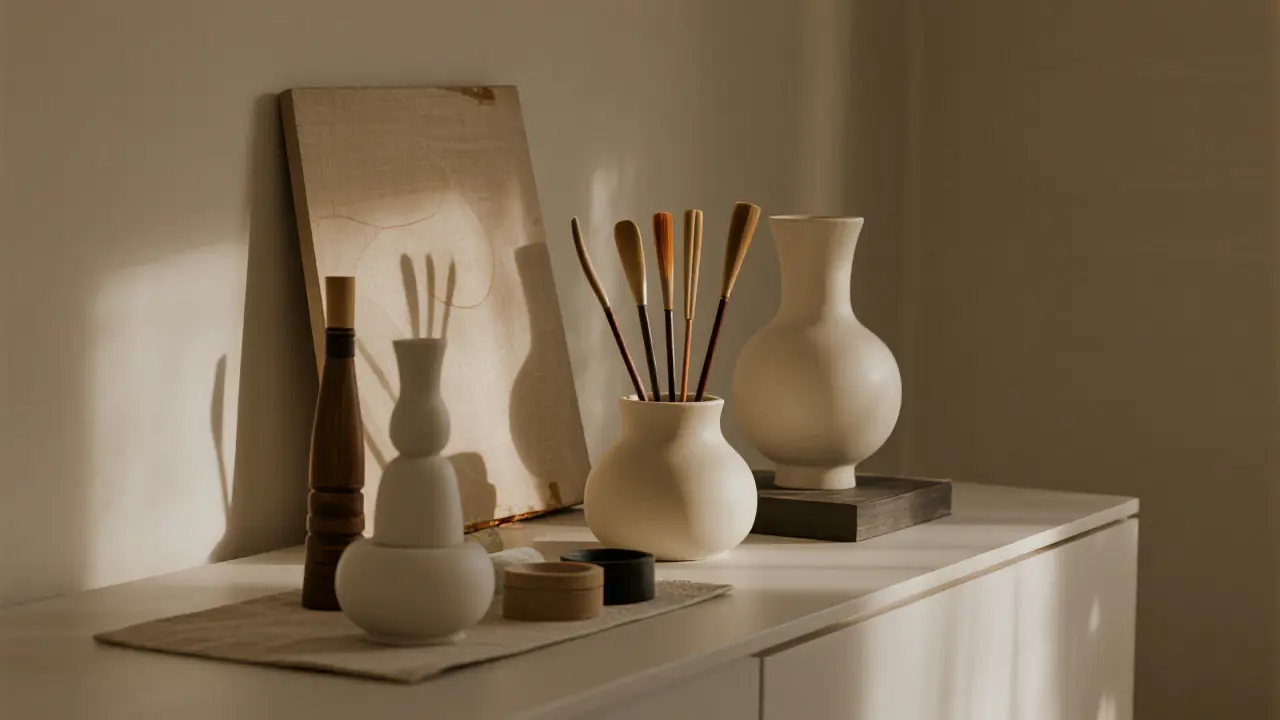
Conclusion: Bringing Harmony to Your Space
Feng Shui is about achieving balance, harmony, and positive energy in your environment. With free online planning tools, especially the AI-driven Feng Shui bedroom layout generator, anyone can design a living space that not only looks beautiful but also feels good. By combining ancient wisdom with modern technology, you can create a home that supports your health, happiness, and success.
If you're ready to bring more balance into your life, start experimenting with these tools today and discover how subtle changes can lead to profound shifts in your living environment.