Introduction to Feng Shui in the Bedroom
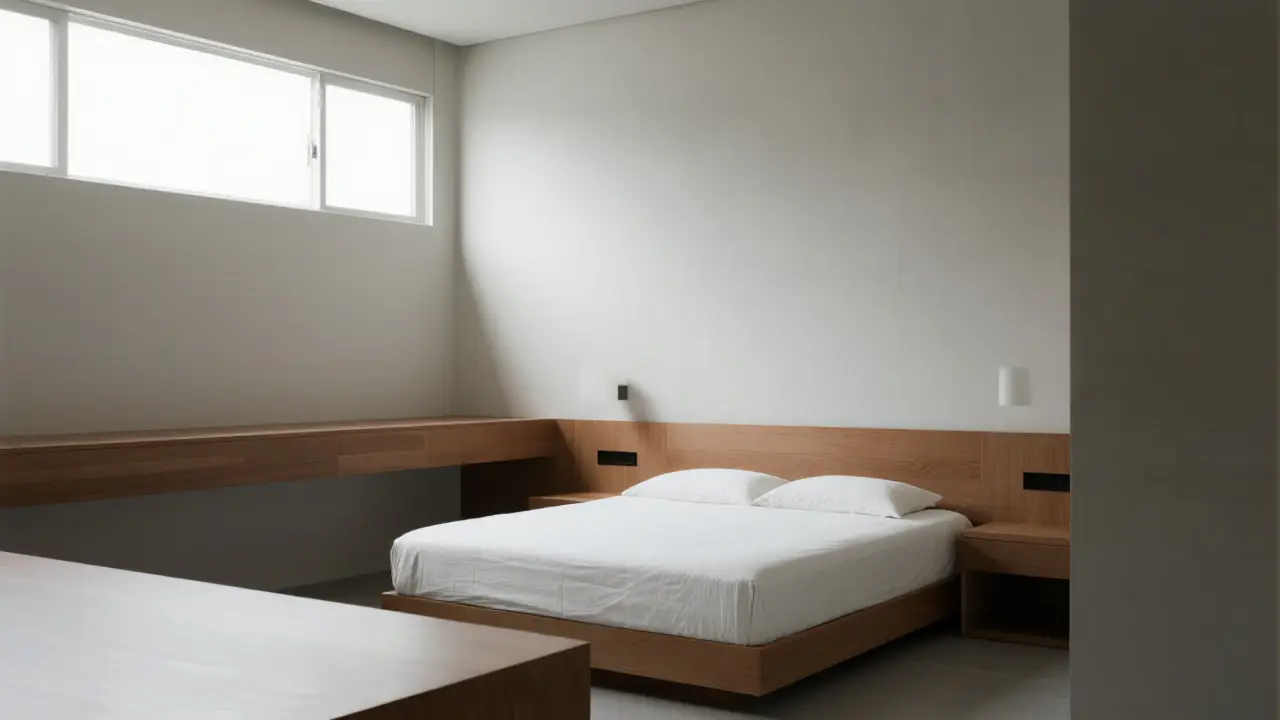
Feng Shui is an ancient Chinese practice that focuses on harmonizing your living environment to promote balance, health, and prosperity. In the bedroom, this philosophy emphasizes the importance of energy flow, spatial arrangement, and intentional design choices. The bedroom is a sacred space for rest, rejuvenation, and emotional connection, making it one of the most critical areas for Feng Shui alignment.
While many people associate Feng Shui with furniture placement, it goes far beyond that. The colors you choose, the objects you allow in your bedroom, and the way you orient yourself while sleeping all work together to influence your well-being. A well-balanced bedroom designed according to Feng Shui principles can improve sleep quality, reduce stress, and enhance your relationships.
Why Feng Shui Matters in Your Bedroom
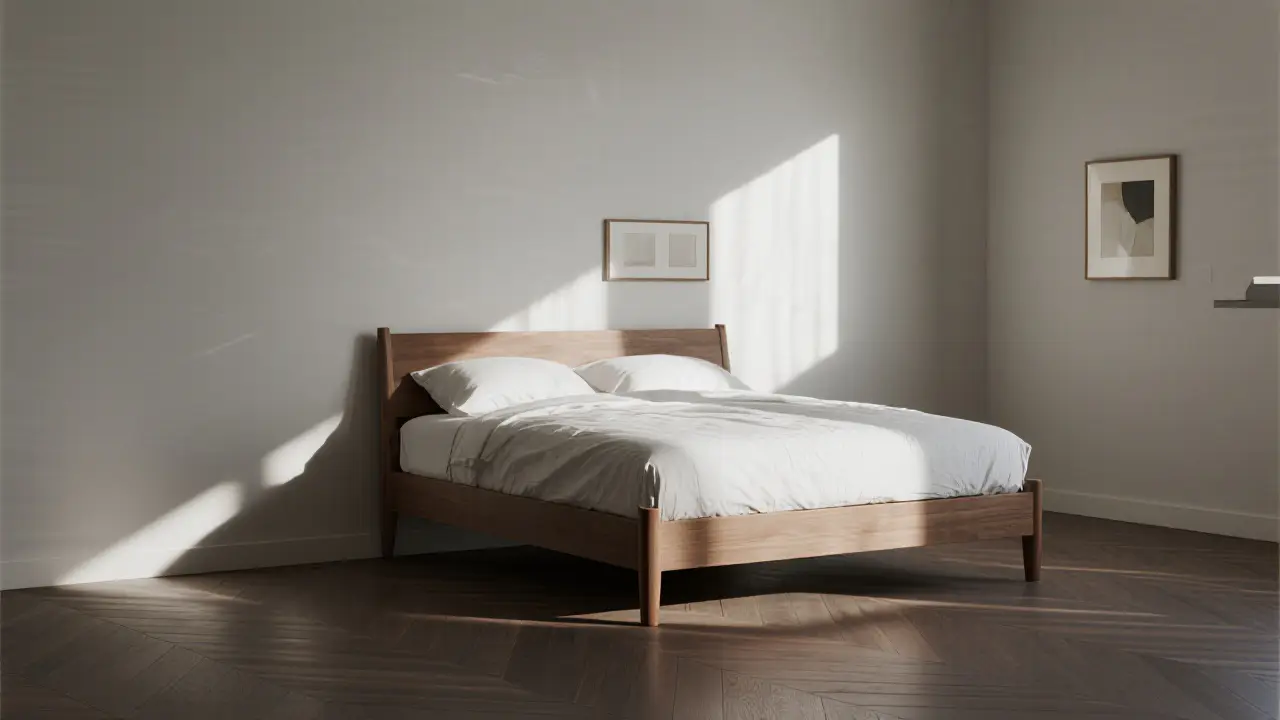
The bedroom is the most personal and restorative space within your home. In Feng Shui, it’s seen as the area where you spend the most passive time, which means your body's energy and subconscious state are directly impacted by the surrounding features. Poor placement of the bed or clutter can lead to restless nights, increased tension, or even affect your health.
Applying Feng Shui not only optimizes sleep but also creates a sense of peace and order. This is especially relevant in modern lifestyles where stress levels are high and uninterrupted relaxation has become a luxury.
The Command Position: Bed Placement Fundamentals
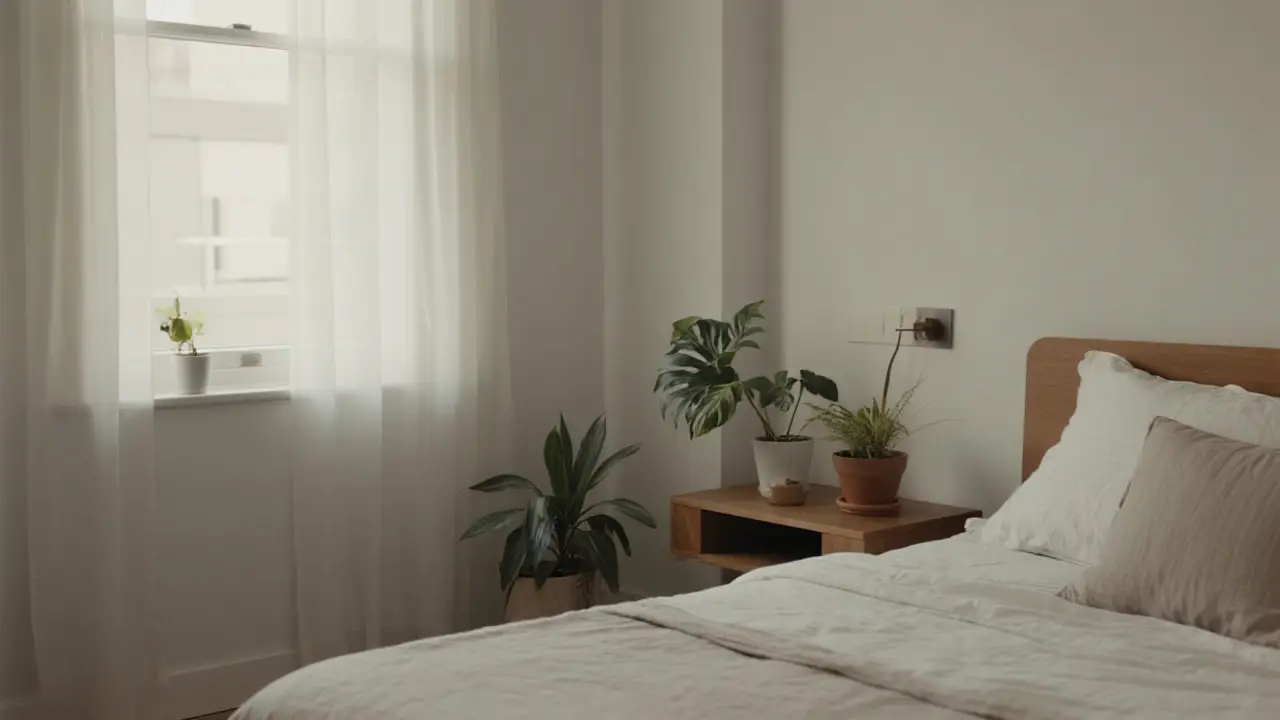
In Feng Shui, the “command position” refers to the placement of your bed in a location where you can see the door without being directly in line with it. This optimal arrangement provides a sense of security, as you are aware of who enters while also avoiding being jolted awake by sudden movements near the entrance.
- Place the bed diagonally opposite to the bedroom door for maximum control and comfort.
- Avoid positioning the bed directly under a window, as this can lead to energy loss and reduced stability.
- Ensure both sides of the bed are accessible, promoting balance in personal relationships.
Common Bed Placement Mistakes to Avoid
Even well-intentioned bedroom designs can break Feng Shui rules. Common errors include having the bed directly in line with the door (known as the "coffin position"), sleeping under overhead beams that exert oppressive energy, and pressing the bed into a corner which restricts energy flow and relationship harmony.
Examples of Feng Shui Bed Placement
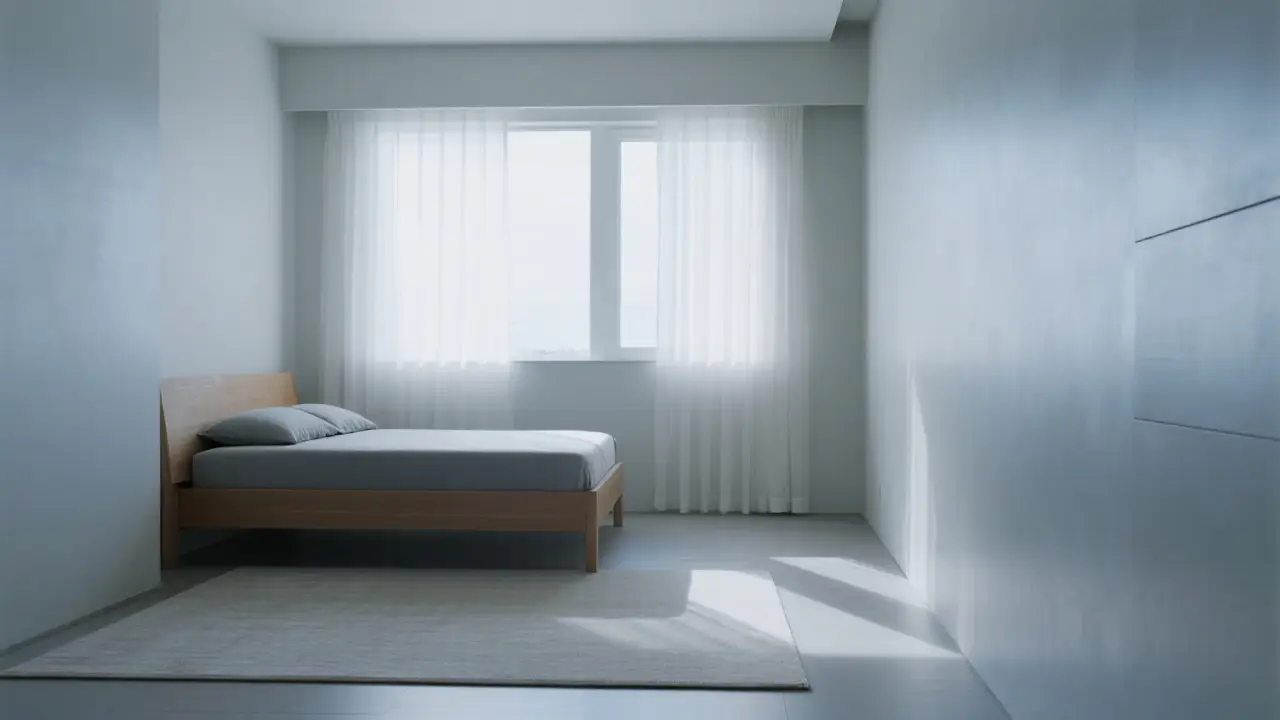
Understanding theory is one thing, but visualizing real-world applications makes it easier to implement. Below are three scenario-based examples of Feng Shui-friendly bed arrangements:
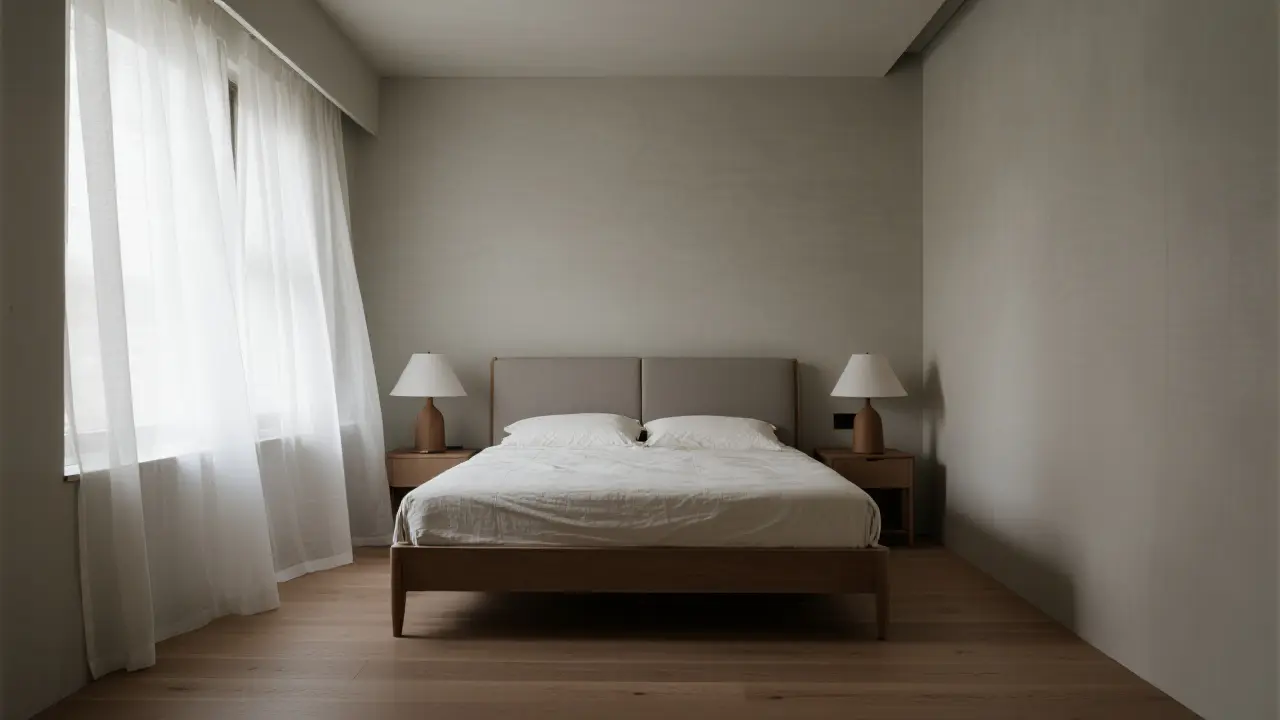
- Small Bedrooms: Position the bed so the headboard rests against a solid wall, not a window. Maintain a clear view of the door from a diagonal angle.
- Master Bedrooms: Keep the bed centered with equal space on either side. Nightstands on both sides enhance balance.
- Shared Bedrooms: Create symmetry through matching lamps, linens, and decor to unify energies.
If you want personalized suggestions, you can use the Feng Shui Bedroom Layout AI Generator, which allows you to upload your room layout and receive tailored advice.
Choosing the Right Headboard and Bed Frame
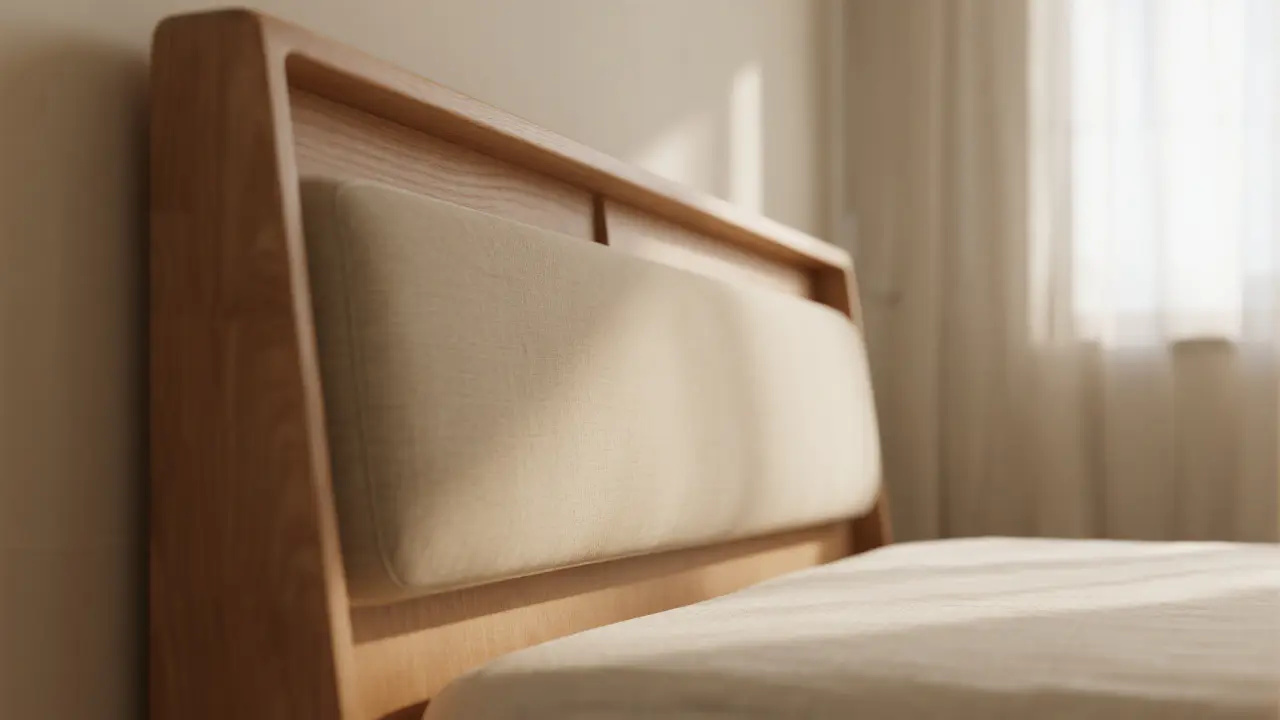
In Feng Shui, a solid headboard represents stability and support in your personal life. Ideally, it should be made of wood or upholstered for comfort, and firmly attached to the bed frame. Avoid headboards made from bars or having gaps, as these can disrupt the sense of security while sleeping.
Your bed frame should be sturdy without sharp corners facing the bed, which can project cutting energy (known as "Sha Chi") towards you. A balanced, earth-toned frame works best to ground the energy in the space.
Optimal Colors and Materials for a Feng Shui Bedroom
Color selection significantly influences mood and energy in Feng Shui. In the bedroom, the goal is to promote rest and intimacy, avoiding overly stimulating or overly cold tones.
- Earth tones: Such as beige, sand, and light brown, to provide calming grounding energy.
- Soft pastels: Pale pink, lavender, and soft blues induce relaxation.
- Avoid bright reds: While red symbolizes passion, it can create excessive yang energy that disrupts sleep.
Materials should feel natural and inviting. Wood, cotton, linen, and wool all contribute to a positive, uncluttered atmosphere.
Decluttering: Clearing Energy Pathways
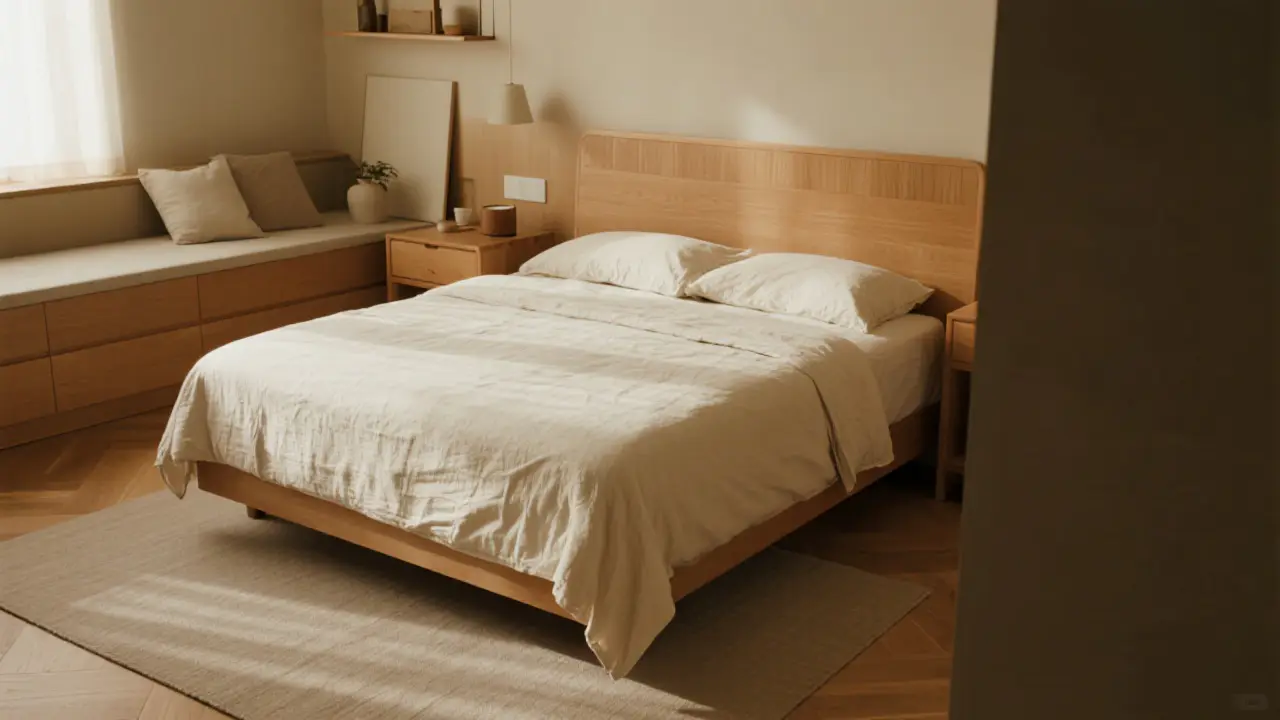
In Feng Shui, clutter directly blocks the flow of Chi (life force energy) and can create mental and emotional stagnation. This is particularly important under the bed, where hidden clutter can unconsciously weigh you down.
- Keep under the bed clear to allow energy to circulate freely.
- Organize nightstands and surfaces to avoid visual chaos.
- Limit electronics to reduce electromagnetic interference and mental restlessness.
The Role of Storage Solutions
If storage under the bed cannot be avoided, use soft materials such as extra blankets or seasonal clothing. Avoid storing sharp objects, weapons, or work-related items in the sleeping area, as they bring in stress-inducing energy.
Lighting and Ambience for Better Feng Shui
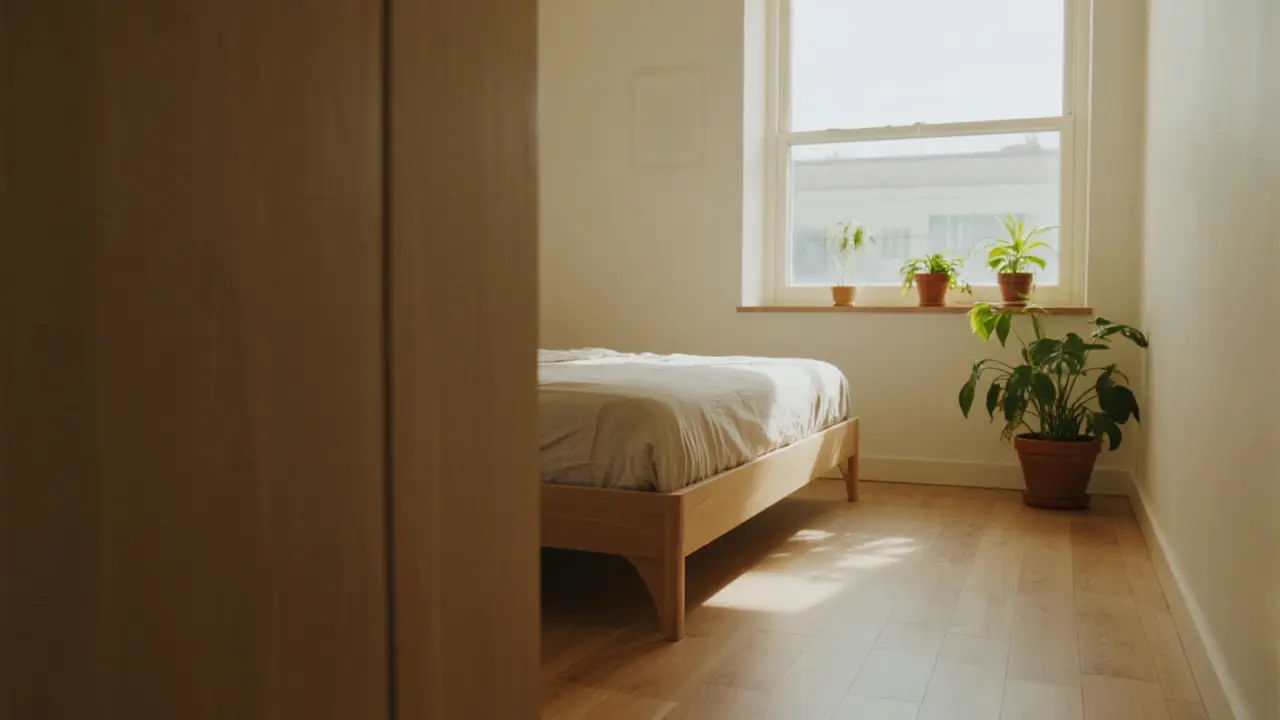
Lighting plays a key role in setting the mood and influencing your circadian rhythm. Feng Shui advises layering light sources rather than relying solely on overhead lighting.
- Use a combination of bedside lamps, floor lamps, and dimmable overhead lights.
- Natural light in the morning helps reset your internal clock and boosts your energy.
- Soft, warm-toned bulbs create a more intimate and restful environment.
Candles, especially in safe containers, can also be used to introduce comforting fire energy when needed.
Balancing Yin and Yang Energy
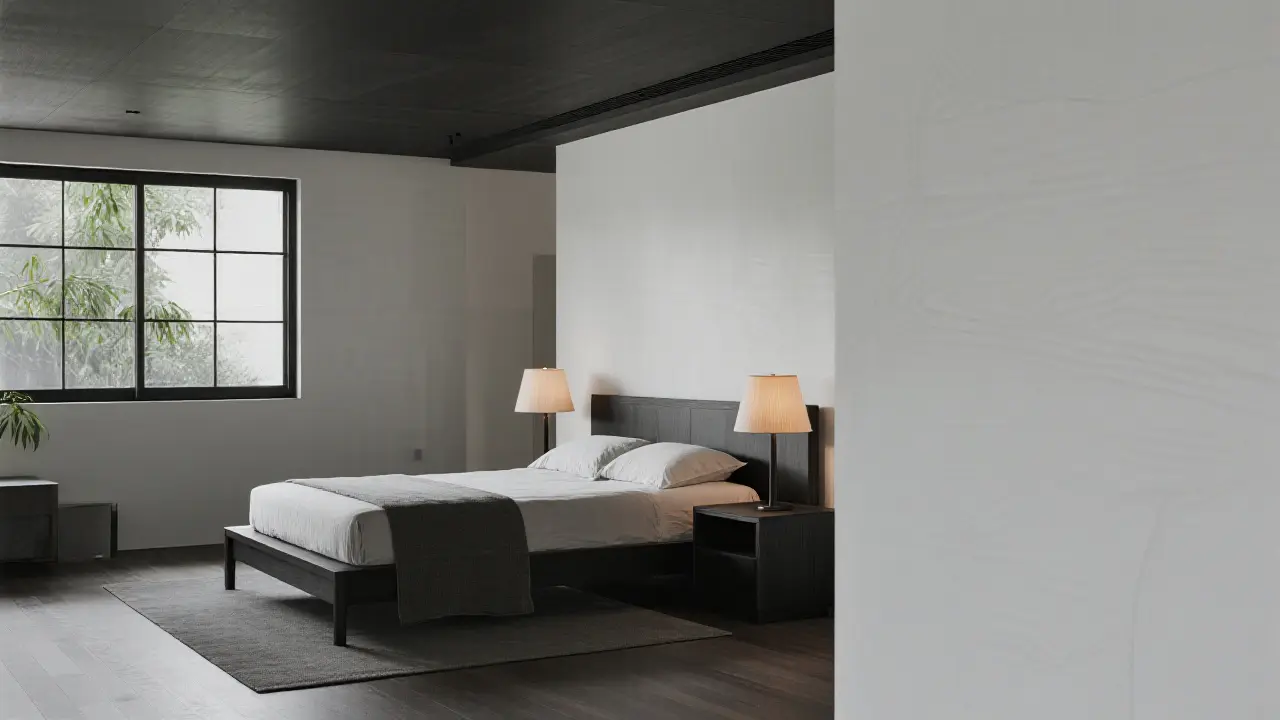
Yin energy is gentle, restful, and nourishing—ideal for sleep. Yang energy is dynamic, stimulating, and bright. A Feng Shui bedroom should primarily lean toward Yin characteristics while incorporating small doses of Yang to maintain vitality.
This balance can be achieved through textures, shapes, and decor choices. For example, soft fabrics and rounded edges contribute Yin energy, while artwork with uplifting themes introduces light Yang accents.
Art and Decorative Elements
Choose artwork that reflects love, harmony, and peace rather than aggressive or lonely imagery. Avoid mirrors facing the bed, as they can reflect energy and disturb sleep. Plants can be included, but keep them small and well-maintained to prevent excess Yang growth in a restful environment.
Feng Shui for Couples and Relationships
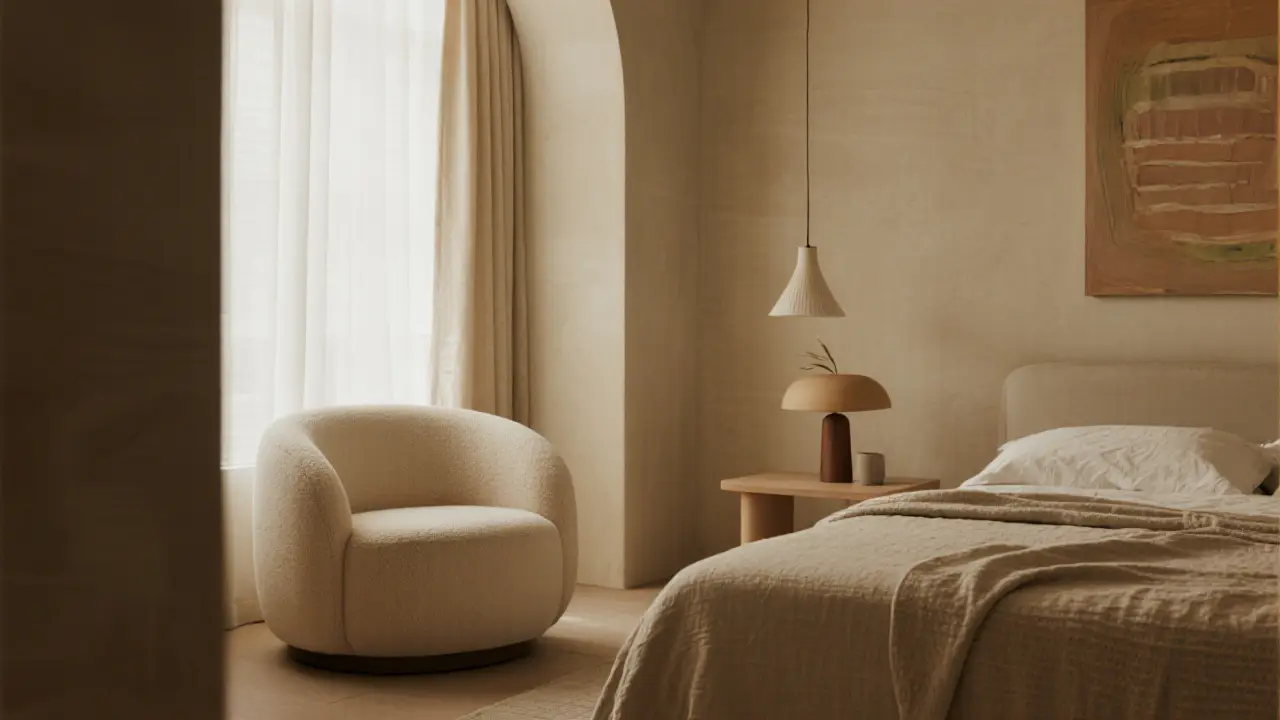
In relationship-focused bedrooms, symmetry is essential. Matching lamps and nightstands signify balanced partnership, and keeping space clear on both sides of the bed symbolizes openness to mutual growth.
Remove work-related items from the bedroom to prevent intrusion of business energy into romantic life. Choose imagery and accessories that celebrate togetherness—such as two candles, paired figurines, or a photo from a shared meaningful trip.
Using AI Tools for Personalized Feng Shui Layouts
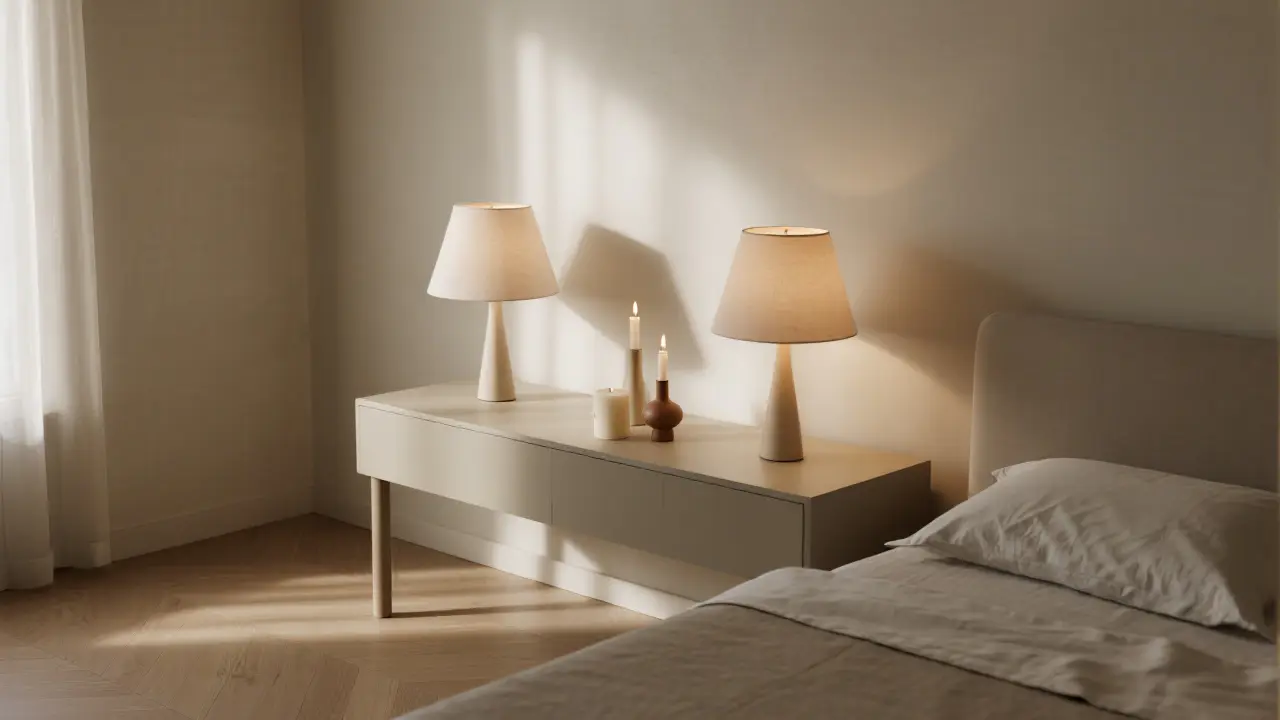
Applying Feng Shui principles can feel overwhelming, especially in irregularly shaped bedrooms or when dealing with existing furniture constraints. Fortunately, technology offers a solution. The Feng Shui Bedroom Layout AI Generator allows you to upload your room's floor plan and receive tailored recommendations based on authentic Feng Shui guidelines.
This tool considers aspects like the commanding position, chi flow, and furniture arrangement, making it easier to implement changes that align with both your space and personal energy needs.
Conclusion: Creating Your Ideal Feng Shui Bedroom
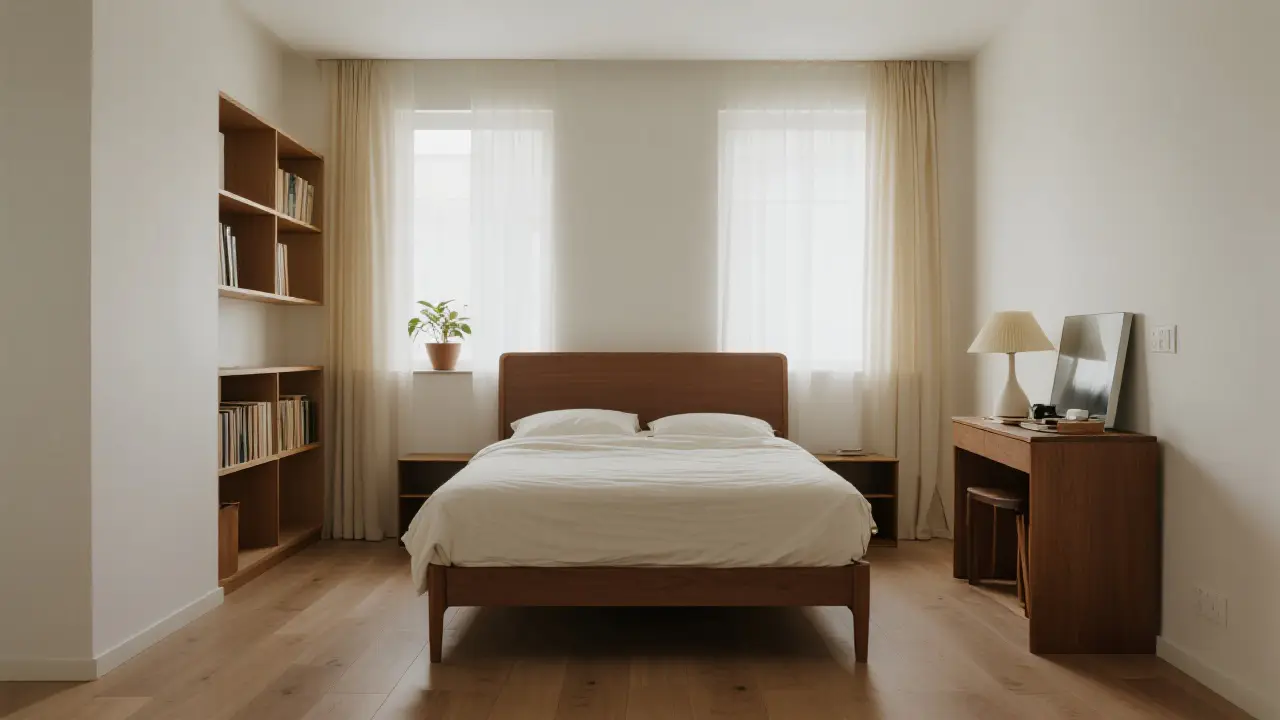
A Feng Shui bedroom layout focuses on more than just aesthetics—it’s about cultivating harmony, improving well-being, and reinforcing positive energy. By following key principles like the command position, using calming colors, and maintaining balance between Yin and Yang, you set the stage for better sleep, deeper connection, and overall improved quality of life.
Whether you’re redesigning from scratch or making small adjustments, the process is an investment in your physical and emotional health. For a truly customized approach, take advantage of modern tools like the Feng Shui Bedroom Layout AI Generator to refine your design and bring timeless wisdom into your daily living space.