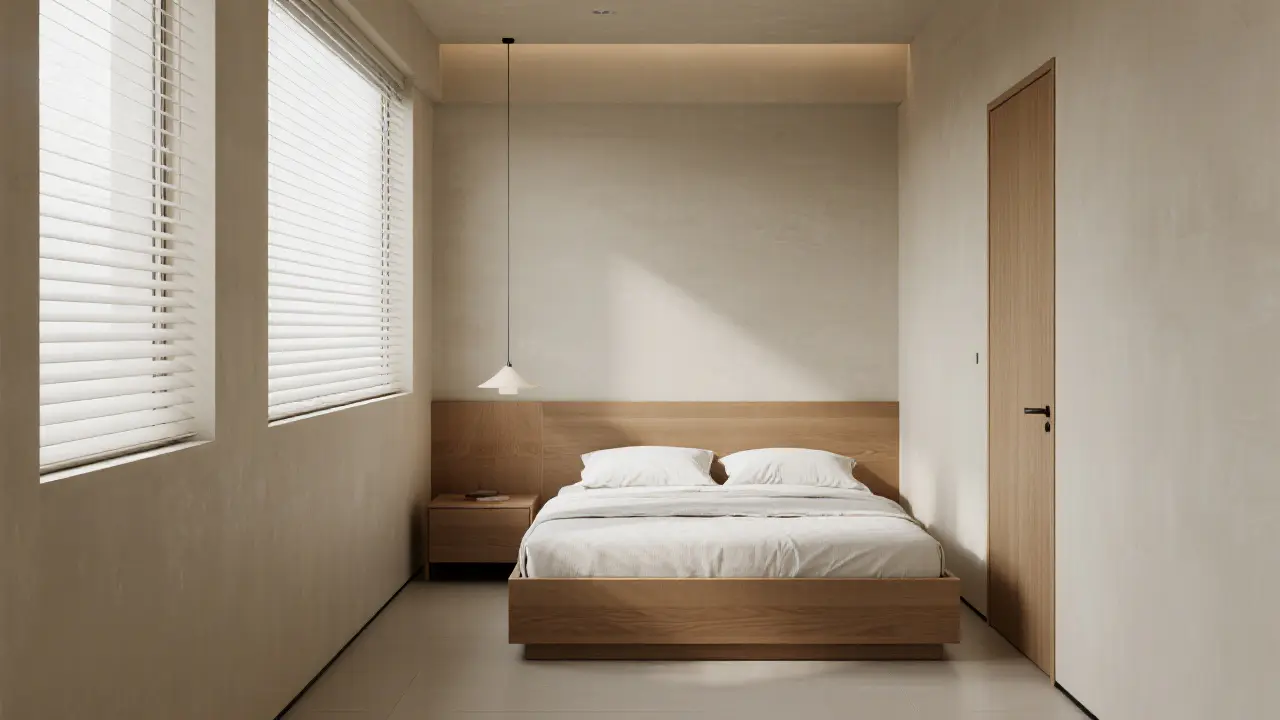
Understanding the Importance of Feng Shui in the Bedroom
Feng Shui, an ancient Chinese practice, focuses on arranging living spaces to promote harmony, balance, and positive energy flow. The bedroom is one of the most critical spaces in a home because it directly influences rest, relationships, and overall well-being. Poor Feng Shui in a bedroom layout can lead to restless nights, tension between partners, and even decreased health and productivity.
The goal in bedroom Feng Shui is to create a tranquil space where energy, or chi, flows smoothly, supporting restorative sleep and emotional balance. Achieving the right setup often requires both awareness of common mistakes and proactive steps to correct them.
Placing the Bed Directly in Line with the Door
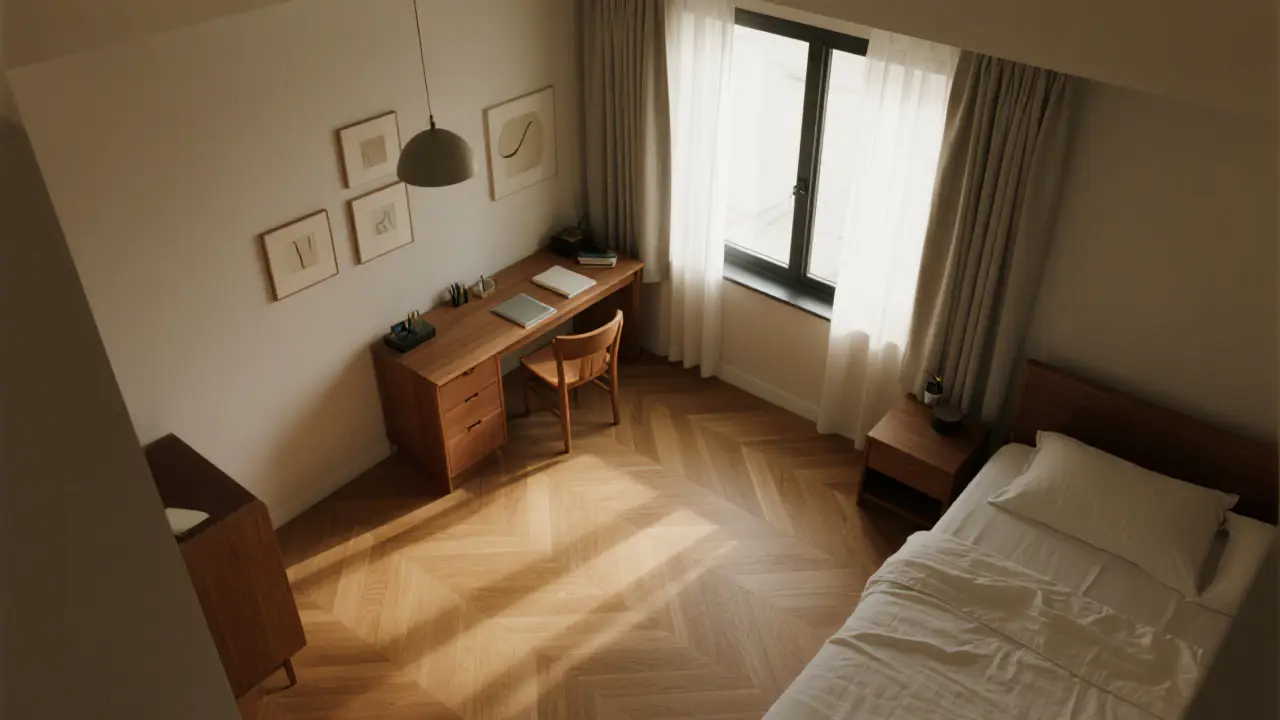
One of the most well-known Feng Shui mistakes is placing the bed directly in line with the bedroom door. This is often referred to as the "coffin position," as it symbolically mimics the way a body is carried out feet-first through a door. Such alignment can lead to feelings of vulnerability and restless sleep.
- The energy rushing in from the door can disturb rest.
- It can create feelings of exposure and lack of safety.
- Symbolically, it suggests being in a weakened or powerless state.
How to Fix: Move the bed so that it is not directly aligned with the doorway but still allows you to see the door from the bed. If moving the bed is not possible, consider placing a decorative screen or a piece of furniture between the door and the bed to soften the energy flow.
Poor Headboard Selection or No Headboard at All
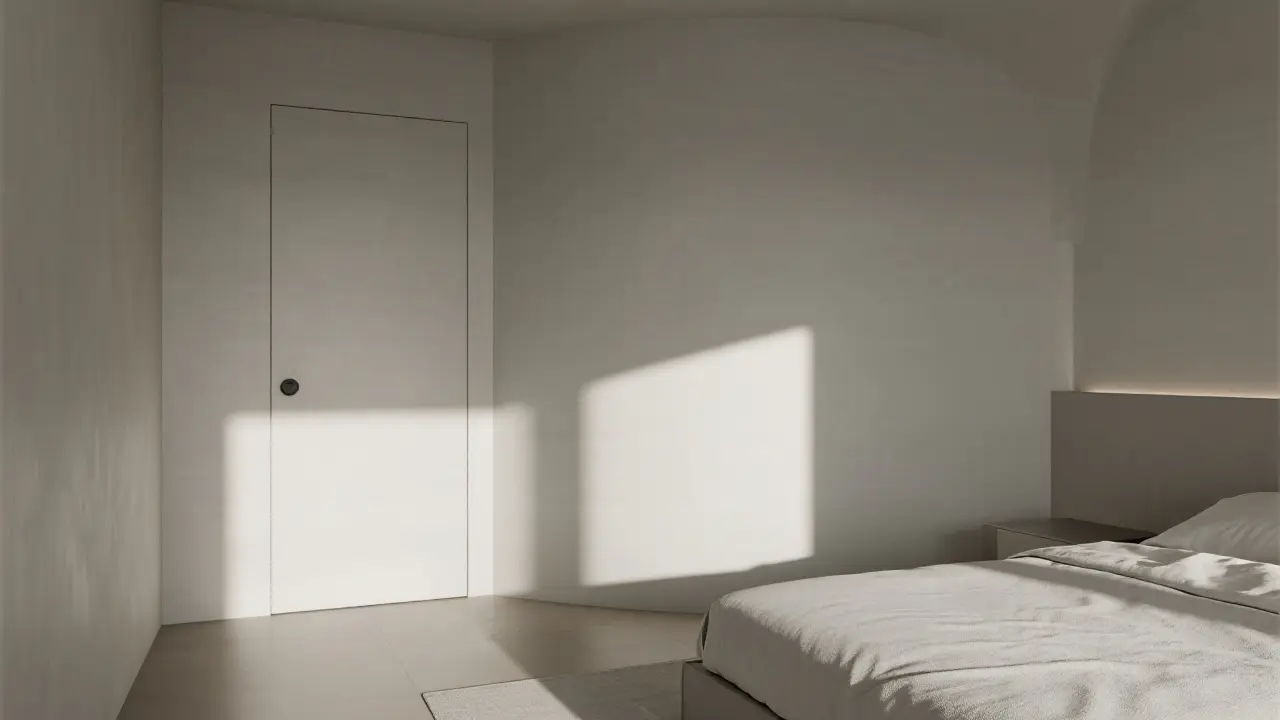
The headboard in Feng Shui represents stability and support in life and relationships. Sleeping without a headboard, or with a flimsy or open-frame headboard, can lead to a lack of grounding, insecurity, and diminished relationship harmony.
A solid, well-anchored headboard, preferably made of wood or upholstered, helps create a sense of safety and long-term stability. Metal headboards with sharp designs may create unsettling energy and should be replaced with smoother, softer designs.
- Choose a sturdy, solid headboard with no gaps.
- Ensure the headboard is securely attached to the bed frame.
- Select materials that feel warm and inviting.
Clutter Under the Bed
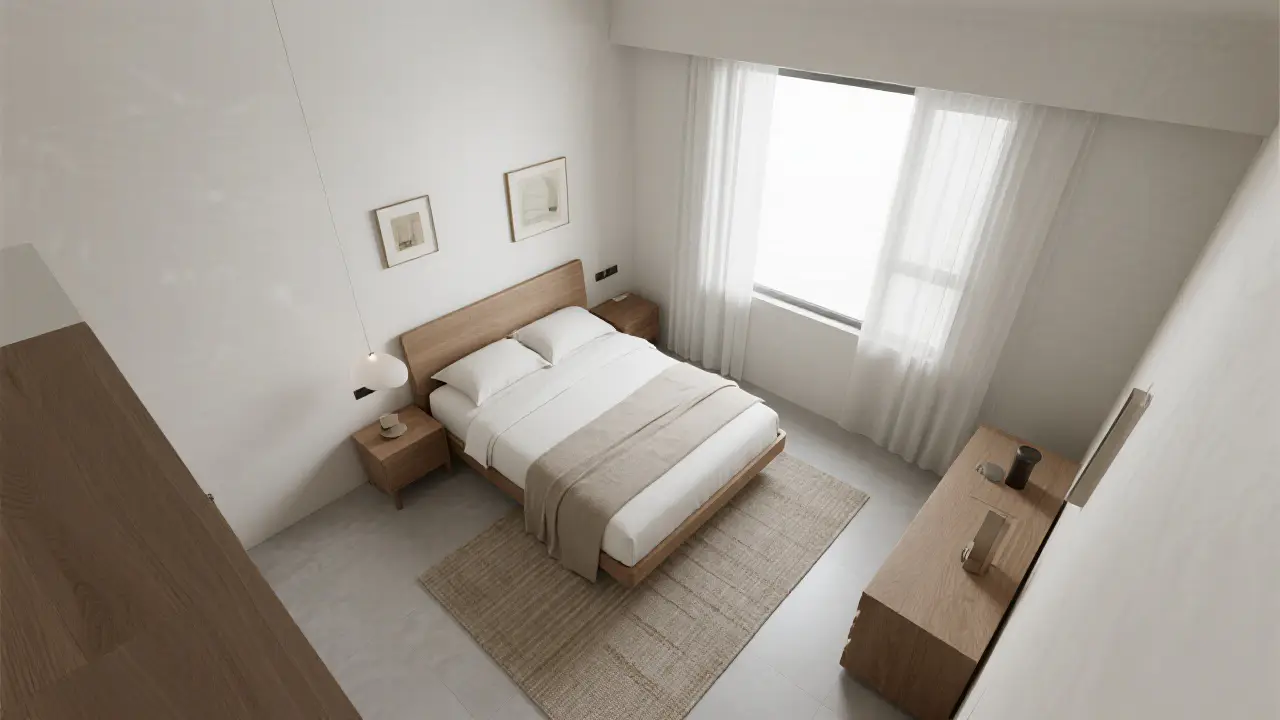
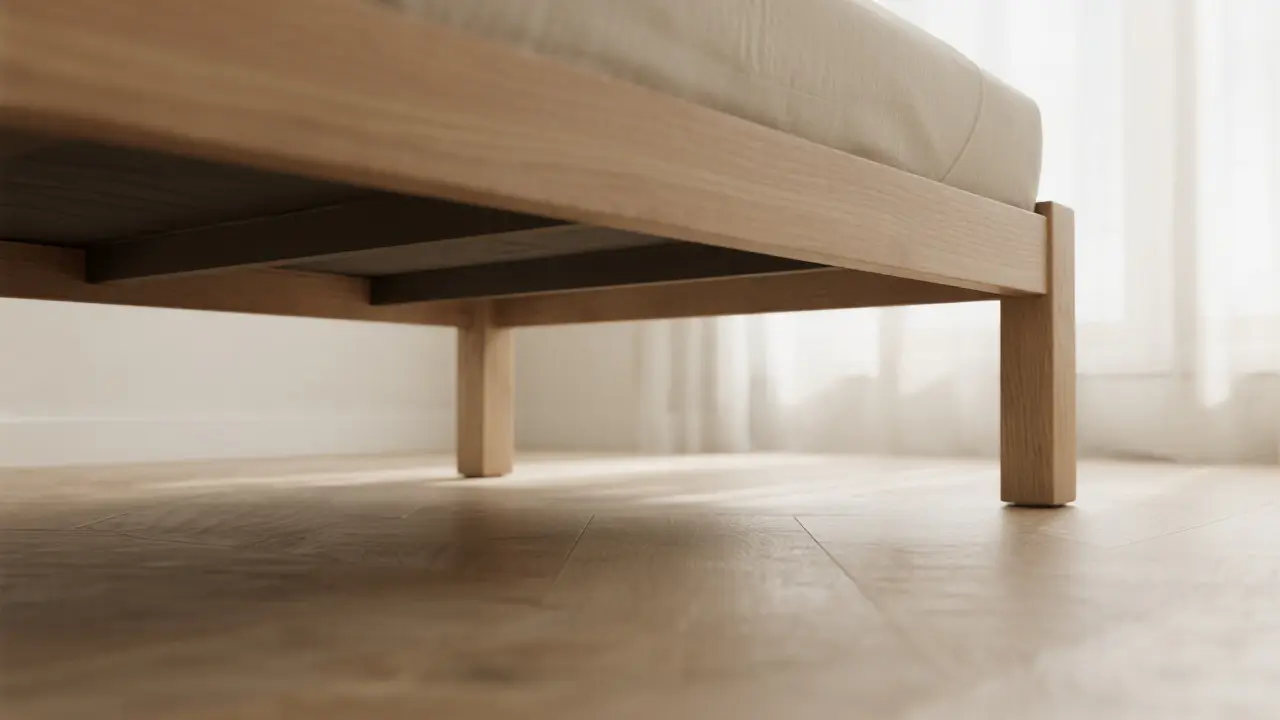
While it may be tempting to use the space under the bed for storage, in Feng Shui, this practice can block the free flow of energy around the body during sleep. This can result in mental clutter, emotional stagnation, and reduced energy levels.
Storing emotionally charged items, such as mementos from past relationships, can keep old energies present, preventing emotional and personal growth. Instead, aim to keep the area under the bed clear to allow chi to circulate freely, promoting better rest and improved well-being.
How to Fix: Remove items stored under the bed and find alternative storage solutions. If storage under the bed is unavoidable, only keep soft, neutral items like extra bedding.
Overuse of Electronics in the Bedroom
Electronics—such as televisions, smartphones, and laptops—introduce electromagnetic fields (EMFs) and mental stimulation that are not conducive to rest. From a Feng Shui perspective, they also bring too much "yang" energy into a space that should primarily be "yin" for relaxation and rejuvenation.
Too much technology can create a sense of mental clutter, inhibit deep sleep, and even subtly influence relationship intimacy in a negative way.
- Remove the television from the bedroom.
- Avoid using electronic devices in bed.
- Place any necessary electronics at least a few feet from your sleeping area.
To improve sleep hygiene and Feng Shui, consider creating a charging station outside of the bedroom, reducing blue light exposure and unwanted energy.
Ignoring the Command Position for the Bed
In Feng Shui, the "command position" refers to a bed placement where you can see the door without being directly in line with it. This position represents empowerment and control. Sleeping with your back to the door or unable to see it can contribute to feelings of anxiety or being "out of control" in life.
- The bed should be placed diagonally from the door when possible.
- A solid wall should be behind the head of the bed for support.
- Avoid having a window directly behind your headboard if possible.
Pro Tip: If your bedroom layout makes the command position impossible, consider using mirrors strategically to allow visibility of the door without moving the bed into direct alignment with it.
Excessive Mirrors Facing the Bed
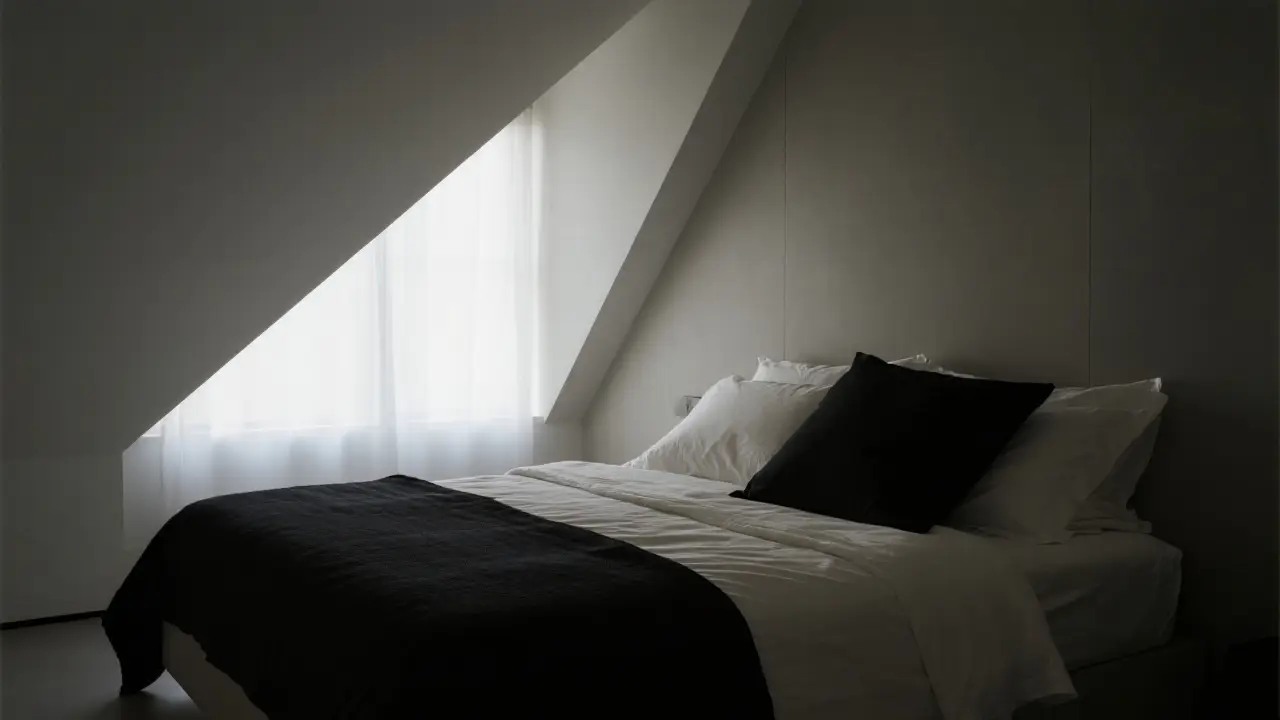
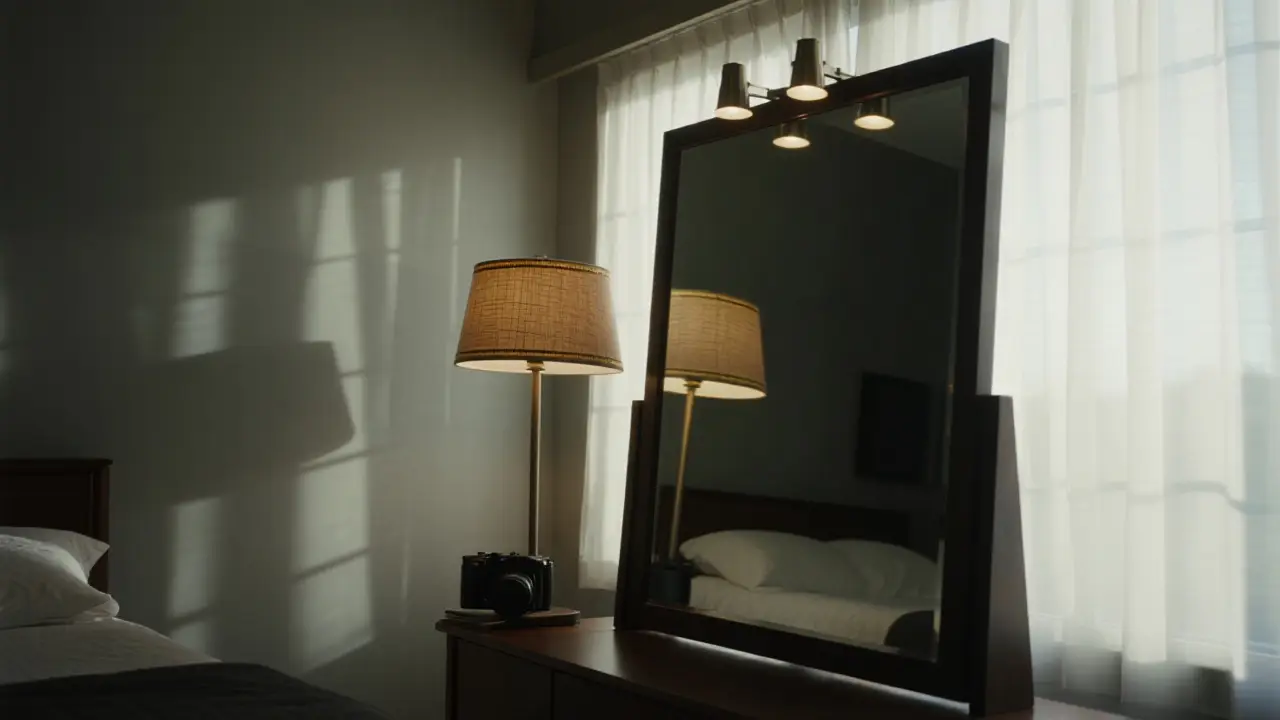
Mirrors are powerful in Feng Shui because they can amplify energy, but when placed incorrectly—especially facing the bed—they can disrupt sleep. Mirrors reflecting you while sleeping may create restlessness, invite a third-party energy into your relationship, and even drain personal energy.
Mirrors can be used in the bedroom strategically for light and space, but not directly opposite the bed. They can symbolically double problems if they reflect clutter or stressful images.
- Remove mirrors that directly face the bed.
- Consider covering large reflective surfaces during the night.
- Position mirrors to reflect pleasant and calming scenes.
Overcrowding the Bedroom with Furniture
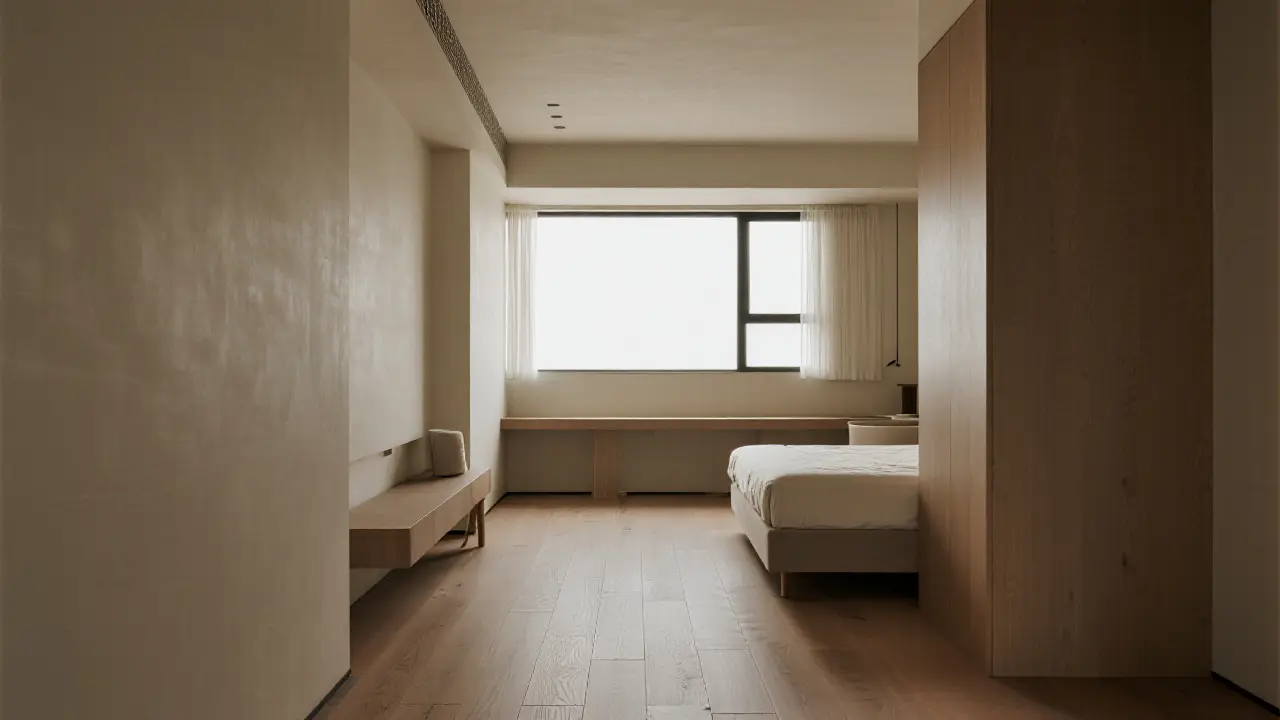
A cluttered bedroom filled with excess furniture restricts energy flow and creates stagnant chi. While a cozy design is important, too much furniture—especially large or imposing pieces—can cause feelings of confinement and emotional heaviness.
Simplify the bedroom to allow open pathways for energy, while still maintaining comfort and style. Aim for a layout that feels airy, welcoming, and balanced.
- Remove unused or unnecessary furniture.
- Opt for fewer, well-chosen pieces.
- Ensure smooth movement paths and ample open space.
Using Harsh or Overpowering Colors
The bedroom in Feng Shui should be a sanctuary, and the colors you choose can greatly influence the energy. Overly bright, stimulating colors like vibrant reds or neon shades can create excessive yang energy, making it harder to relax. On the other hand, dark, oppressive tones may create stagnation or a heavy mood.
The best bedroom colors are soft, muted, and calming. Pastels, earth tones, and natural colors can help balance the energy, fostering peace and intimacy.
- Opt for soft blues, greens, creams, or warm neutrals.
- Avoid overly busy patterns that generate restlessness.
- Incorporate colors that reflect your personal element in Feng Shui.

Disregarding Symmetry in the Bedroom
Symmetry in bedroom design is important for creating balance in relationships and promoting harmony. Uneven arrangements—such as one nightstand instead of two—can create an imbalance in energy, leading to disharmony between partners.
Symmetry helps both individuals in a relationship feel equally supported energetically. Even single occupants can benefit from symmetrical arrangements because they create a sense of order and completeness.
- Place matching nightstands and lamps on either side of the bed.
- Balance decor and artwork so the room feels evenly proportioned.
- Create visual harmony with paired objects and even spacing.
How to Get Personalized Feng Shui Advice for Your Bedroom
While these general tips can improve your bedroom's Feng Shui, every space is unique. The exact shape, size, and features of your bedroom will influence the optimal arrangement. A powerful way to get accurate advice is by using modern AI tools designed for Feng Shui layout analysis.
With the Feng Shui Bedroom Layout Generator, you can upload your bedroom floor plan and receive personalized recommendations based on authentic Feng Shui principles. This tool examines bed placement, energy flow, and potential issues, then provides tailored fixes suited to your specific room.
Whether you live in a small apartment or a spacious home, such a resource can help refine your bedroom design to attract better rest, stronger relationships, and greater harmony in life.
Final Thoughts
Feng Shui in the bedroom is more than just arranging furniture—it is about cultivating a peaceful environment that supports your well-being on physical, emotional, and even spiritual levels. Avoiding common mistakes such as misplacing the bed, overcrowding the space, or neglecting balanced design can make a dramatic difference in your sleep quality and day-to-day mood.
Applying these principles with mindfulness can lead to noticeable improvements in energy, relationship harmony, and overall health. If you are unsure how to best implement them in your unique space, leveraging modern tools like the AI Feng Shui Bedroom Layout Generator ensures you get expert insights tailored to your floor plan.
By combining ancient wisdom with modern technology, you can transform your bedroom into a true sanctuary of rest, love, and balance.