Introduction to Feng Shui in the Digital Age
Feng Shui, the ancient Chinese art of harmonizing one’s surroundings for balance, prosperity, and well-being, has evolved significantly in recent years. Once reliant solely on a practitioner’s physical presence, Feng Shui assessments are now widely available in digital formats. With accessible online tools and AI-driven applications, enthusiasts and beginners can explore Feng Shui principles from home.
However, two terms often cause confusion among users: Feng Shui calculator and Feng Shui generator. While they may sound similar, their functions and outputs vary greatly. Understanding these differences is crucial for getting accurate, actionable results for your space.
What is a Feng Shui Calculator?
A Feng Shui calculator is a tool—often web-based—that applies Feng Shui formulas to compute specific elements related to your space or personal energy. It usually requires basic inputs such as birth date, compass direction of your property, or room orientation.
These calculators rely on established Feng Shui methods, such as the Eight Mansions (Ba Zhai) or Flying Stars (Xuan Kong), to produce numeric or categorical results related to your favorable directions, energy cycles, and elemental balance.
Common Features of Feng Shui Calculators
- Kua Number Calculation: Determines your personal auspicious and inauspicious directions.
- Flying Star Charts: Maps the movement of annual and monthly energies in your home.
- Five Elements Analysis: Balances wood, fire, earth, metal, and water elements relevant to you.
- Basic Room Orientation Check: Simple alignment of bed, desk, or entrance with your lucky directions.
Limitations of a Calculator
While Feng Shui calculators offer fast insights, they work from limited data points and lack visual contextualization. They give you numerical or descriptive results but require you to interpret and apply them manually to your floor plan. Without a trained eye, these figures may be difficult for beginners to translate into an actionable layout.

What is a Feng Shui Generator?
A Feng Shui generator is a more advanced, often AI-powered, tool designed to process detailed spatial information—sometimes including uploaded floor plans or images—and instantly produce layout suggestions, recommendations, or visual mock-ups.
Instead of simply calculating your numbers, it integrates pattern recognition, Feng Shui rules, and sometimes even 3D mapping to generate configurations that you can directly implement.
Example of an AI Feng Shui Generator
For instance, the Feng Shui bedroom generator allows you to upload your bedroom floor plan. The AI analyzes room dimensions, furniture placement, and entry points, then provides tailored suggestions to harmonize energy flow. This kind of platform eliminates guesswork and bridges the gap between theory and application.
Advantages Over a Calculator
- Visual Output: See recommended layouts in realistic renderings or annotated diagrams.
- Contextual Recommendations: Takes into account actual furniture positions, doors, and windows.
- Real-Time Adjustments: Modify inputs and instantly view how the design adapts.
- Comprehensive Integration: Blends both compass data and spatial arrangement in one step.

Core Differences Between Feng Shui Calculators and Generators
While both tools aim to assist in achieving optimal Feng Shui, their processes and outputs differ fundamentally. Here’s a detailed comparison:
- Input Type: Calculators rely mainly on numeric or directional data; generators use both numeric data and visual or spatial input like floor plans.
- Output Format: Calculators give you data and descriptive guidance, generators give you visual layouts and actionable plans.
- User Effort: Calculators require you to interpret results; generators do the interpretation for you.
- Technology Level: Calculators use fixed algorithms; generators often employ AI and image processing.
When to Use a Feng Shui Calculator
A Feng Shui calculator is ideal if you:
- Already understand basic Feng Shui principles and can interpret results yourself.
- Need quick information about auspicious dates or directions.
- Want to calculate your personal Kua number or a Flying Star chart without spatial analysis.
- Prefer lightweight, fast tools with minimal data entry.
If your focus is purely on determining theoretical aspects, such as favorable directions for the year, without changing your room layout, a calculator serves the purpose well.

When to Use a Feng Shui Generator
Opt for a Feng Shui generator if you:
- Have a specific room or property and want concrete placement suggestions.
- Are not familiar with interpreting charts and formulas.
- Need visual guidance to rearrange furniture effectively.
- Want AI-powered personalization based on your actual space.
For instance, the bedroom Feng Shui generator is perfect for designing a restful, energetically aligned sleeping space without needing to master complex calculations.

The Technology Behind Calculators and Generators
Calculators: Rule-Based Algorithms
Feng Shui calculators typically function on rule-based algorithms built from classical formulas. These are predetermined, and while they are accurate within the scope of those formulas, they do not adapt to unique room shapes or modern architecture without manual interpretation.
Generators: AI and Spatial Analysis
Generators, especially AI-enhanced ones, use spatial algorithms, sometimes combined with machine learning, to recognize room features from user uploads. They can detect where doors and windows are, locate your bed or desk, and instantly adjust recommendations.
This technology creates a bridge between theory and reality, giving users an immediate, tangible plan of action.
Practical Example: Applying Both Tools
Imagine you want to improve the Feng Shui of your new home office. Here’s how you could approach it using both a calculator and a generator:
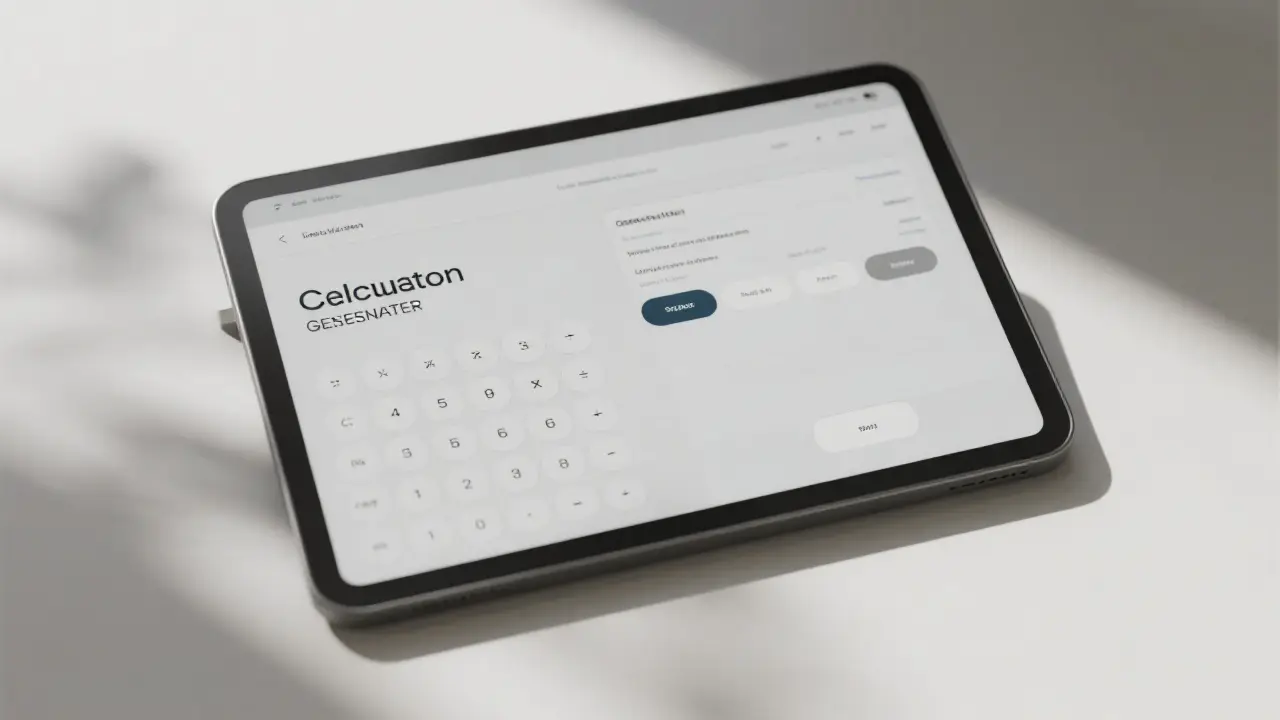
- Use a Feng Shui calculator to find your Kua number and determine your best directions for productivity.
- Upload your room’s floor plan to a Feng Shui generator for tailored desk placement and lighting suggestions.
- Compare the results to ensure your desk faces an auspicious direction and the room layout supports energy flow.
This dual approach combines strong theoretical backing with practical implementation.

Common Mistakes to Avoid
- Over-relying on One Tool: While generators are powerful, underlying theory helps validate their suggestions.
- Ignoring Measurements: Accurate floor plan dimensions are vital for reliable generator output.
- Misinterpreting Calculator Data: Without understanding core principles, numeric results may be misapplied.
- Forgetting the Human Touch: Both tools complement, but do not replace, an experienced Feng Shui practitioner’s holistic insight.

Future Trends in Digital Feng Shui
As technology advances, even more sophisticated tools will merge virtual reality, 3D scanning, and AI to provide immersive Feng Shui consultations. We may soon see apps capable of scanning a room in real-time and recommending changes on your device’s screen through augmented reality.
For now, choosing between a calculator and a generator—or using them together—remains the smart way to blend tradition with technology.

Conclusion: Choosing the Right Tool for You
The main difference between a Feng Shui calculator and a Feng Shui generator lies in their scope and delivery. Calculators are best for quick, formula-based insights, while generators turn those insights into practical, often visual, layout solutions.
If you value immediate, personalized spatial recommendations, AI-powered generators, like the bedroom Feng Shui generator, will save you time and uncertainty. For high-level theoretical planning, a simple calculator may be sufficient.
Ultimately, the best results come from understanding the strengths of each tool and using them strategically to create spaces that truly nurture well-being, harmony, and success.