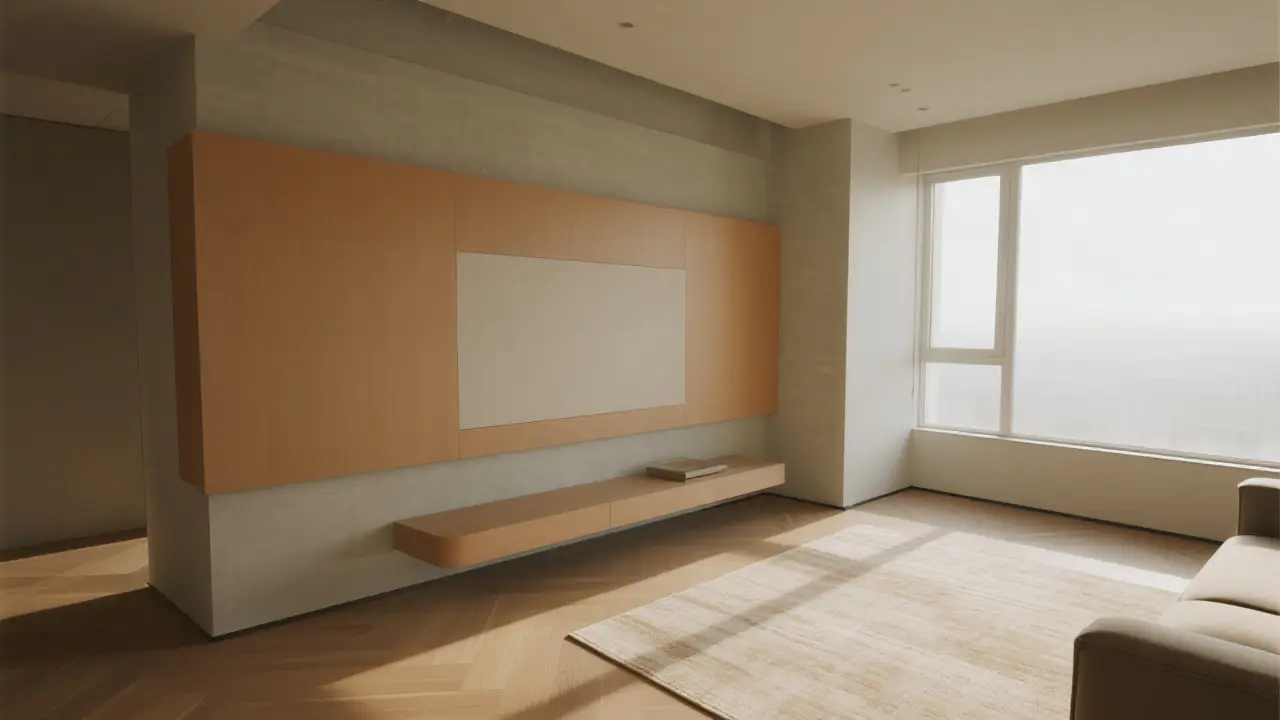
Understanding the Power of Color in Feng Shui
In traditional Chinese culture, Feng Shui plays a pivotal role in home design and personal well-being. One of the most accessible and effective ways to harmonize your living space is through the strategic use of colors. In Feng Shui, colors are far more than decorative elements — they are energetic expressions that influence mood, relationships, and prosperity.
The living room, often considered the heart of the home, is where family members gather, guests are entertained, and important conversations unfold. This space acts as an energetic hub. Choosing the right colors for your living room can invite positive energy (Qi), promote family harmony, and even attract financial abundance.
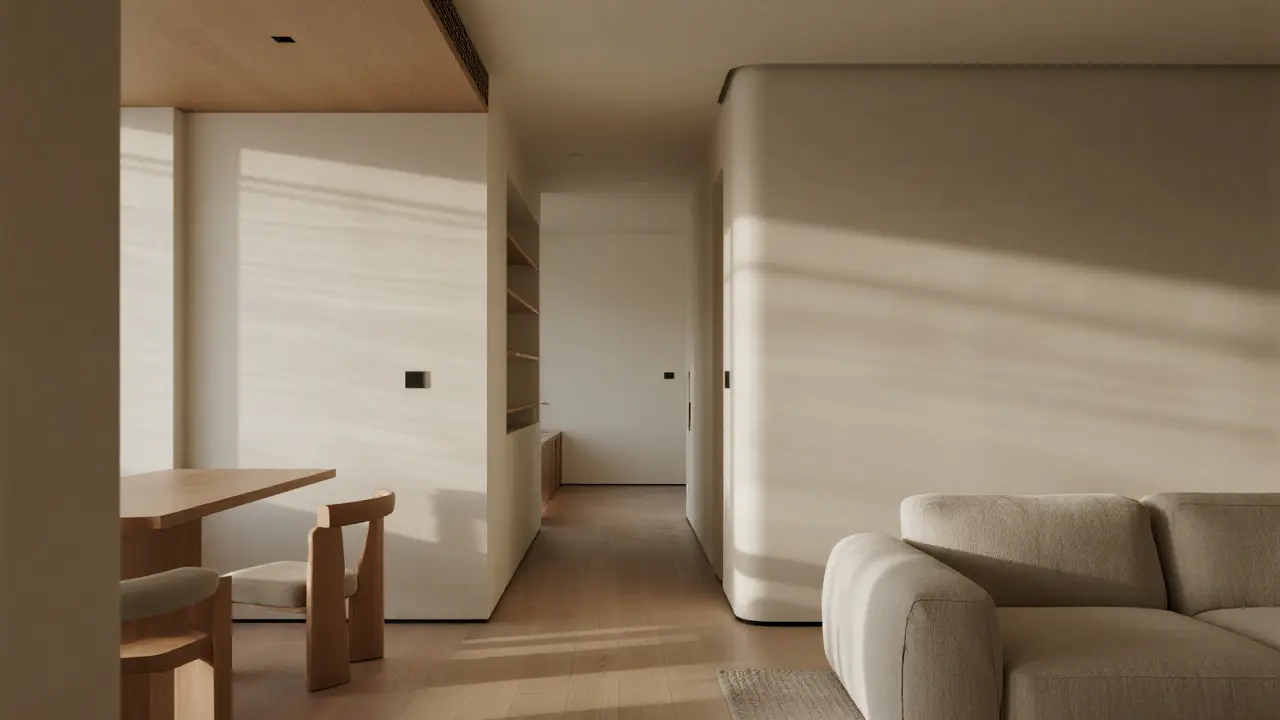
The Relationship Between Colors and the Five Elements
Feng Shui is fundamentally based on the concept of the Five Elements: Wood, Fire, Earth, Metal, and Water. Each element corresponds to specific colors, shapes, and energies. By aligning the colors in your living room with these elements, you can enhance different aspects of your life.
- Wood: Associated with growth, vitality, and family. Colors include green and teal.
- Fire: Represents passion, recognition, and transformation. Colors include red, orange, and strong pink.
- Earth: Brings stability, nourishment, and support. Colors include beige, light yellow, and sandy tones.
- Metal: Linked to clarity, precision, and prosperity. Colors include white, gray, and metallic shades.
- Water: Encourages wisdom, abundance, and fluidity. Colors include blue and black.
Identifying Your Personal Favorable Colors
While general Feng Shui guidelines are helpful, every person’s optimal color palette is unique, depending on their birth chart (Bazi) and their “useful god” or Xi Yong Shen. By aligning your living room color scheme with your personal elements, you can fully optimize your home’s energy.
For a personalized analysis, you can use a Feng Shui color tool based on your Bazi chart. This tool calculates your date, time, and place of birth to determine your most auspicious colors. Try our Feng Shui Color Recommendation Guide to discover the best living room colors for you.
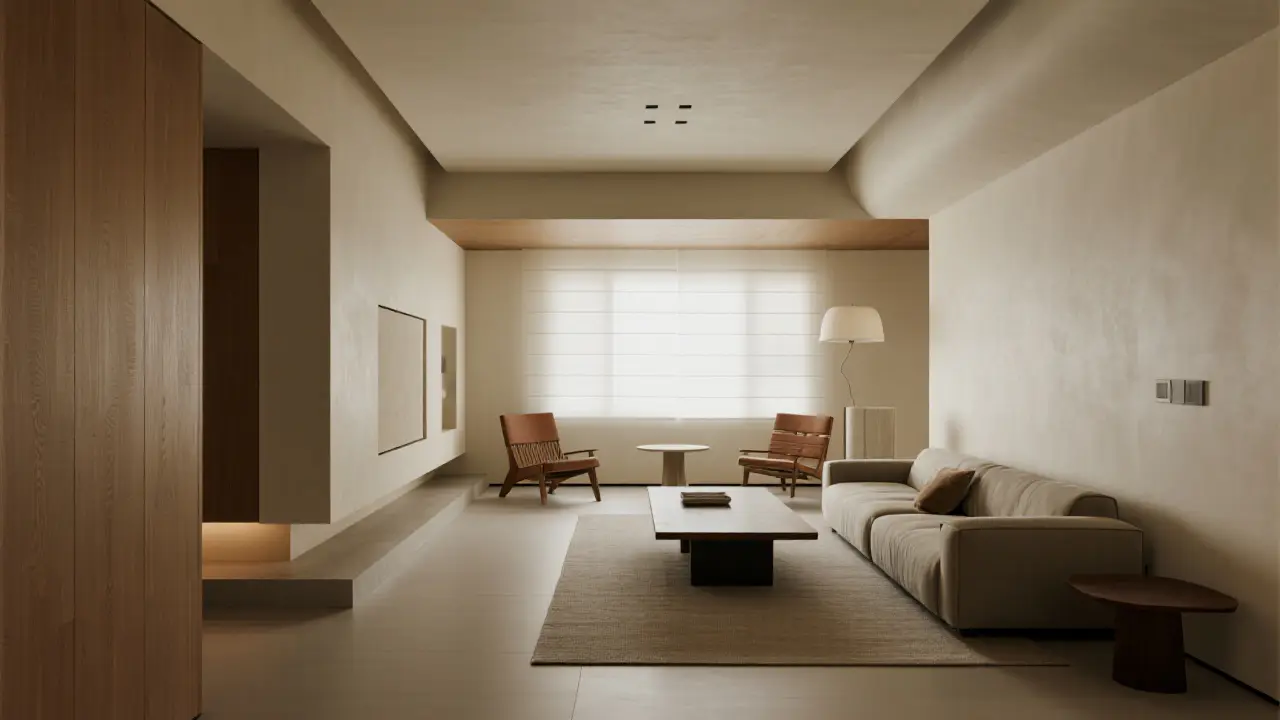
Best Feng Shui Colors for Wealth Attraction
If one of your primary Feng Shui goals is to enhance financial flow and prosperity, focus on colors that resonate with the Wood and Water elements, as they support growth and wealth.
- Emerald Green: Symbolizes new opportunities and career growth.
- Royal Blue: Encourages wisdom in financial decisions and stable income flows.
- Deep Teal: Combines Water’s abundance with Wood’s vitality.
- Gold Accents: Amplifies prosperity energy and represents achievement.
Balance bright wealth colors with neutral tones to maintain comfort and harmony in the living room.
Colors for Strengthening Family Harmony
Family well-being is a vital part of Feng Shui philosophy. To promote understanding, warmth, and cohesion within the household, choose colors related to the Earth and Fire elements.
- Warm Yellow: Fosters joy, connection, and positivity among family members.
- Soft Beige: Creates a calm and secure environment.
- Gentle Coral: Encourages open communication and closeness.
- Light Orange: Enhances optimism and family bonding activities.
Incorporating these colors into cushions, rugs, and wall paints can gradually create an atmosphere that nurtures mutual respect and happiness.
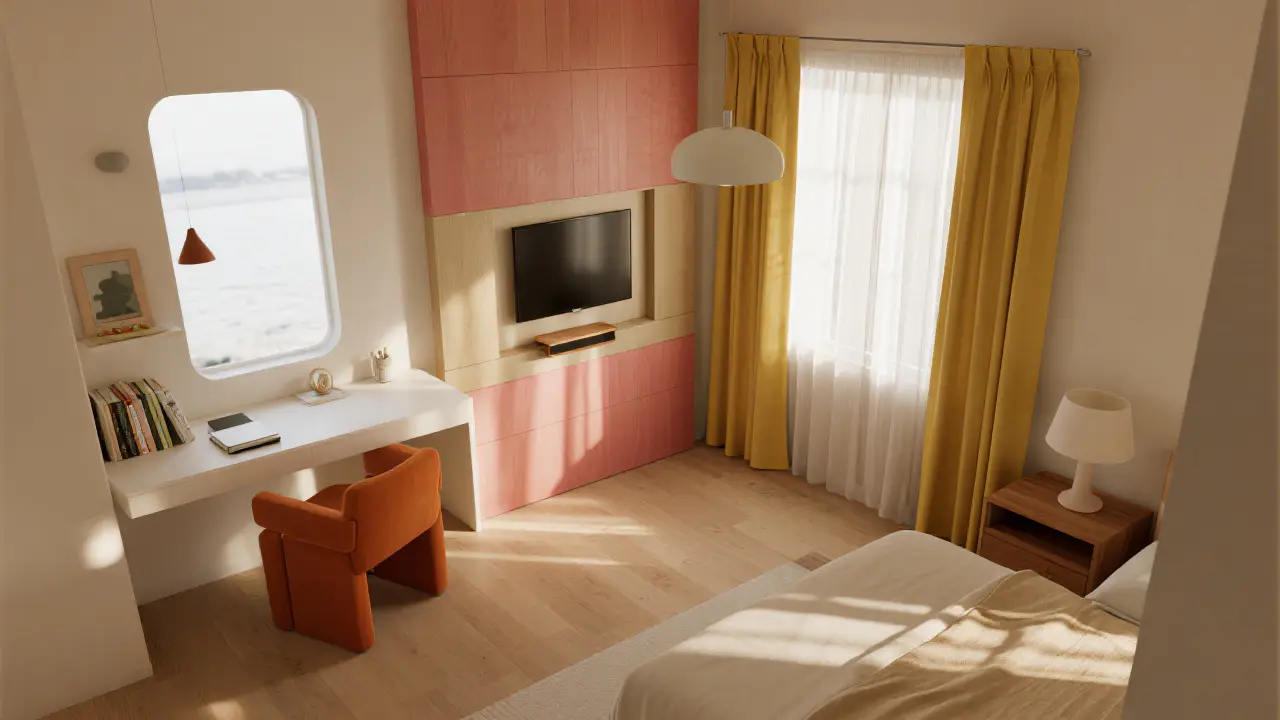
Balancing Yin and Yang in the Living Room
Another fundamental concept in Feng Shui is the balance of Yin (passive, calming) and Yang (active, stimulating) energies. The living room should have a harmonious blend to accommodate various activities from relaxation to socializing.
- Yin Colors: Pastel blues, soft greens, and muted neutrals for restful energy.
- Yang Colors: Bright reds, vibrant oranges, and sunny yellows for liveliness.
Too much Yin can make the space feel lethargic, while excessive Yang can cause tension. A balanced palette ensures the space remains welcoming yet energized.
Practical Tips for Applying Feng Shui Colors
Integrating Feng Shui colors doesn’t always require a full repaint. You can gradually introduce colors through accessories, artwork, and decor. Consider these tips for an effortless transformation:
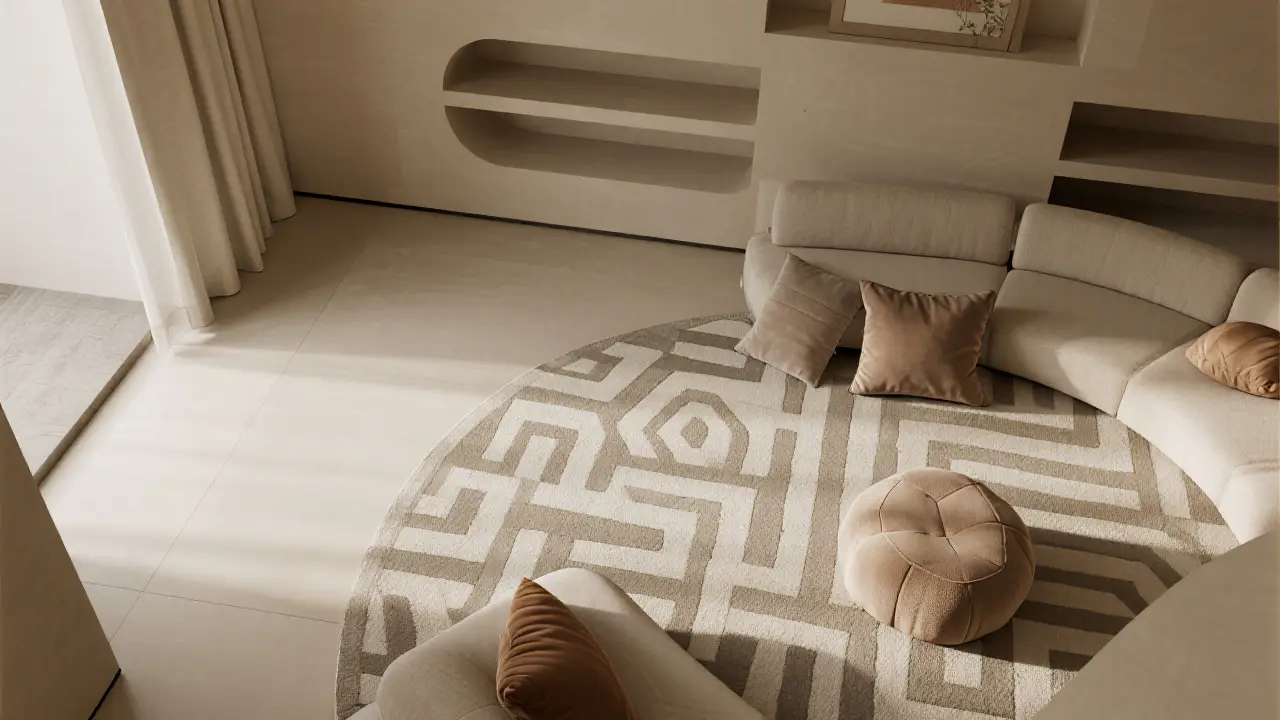
- Use area rugs to introduce grounding earthy tones without overwhelming the palette.
- Incorporate throw pillows in auspicious colors as seasonal accents.
- Hang artwork featuring your favorable element colors to subtly shift the room’s energy.
- Layer lighting with warm and cool tones to balance Yin and Yang influences.
- Experiment with feature walls in your wealth or family sector for maximum effect.
Avoiding Common Feng Shui Color Mistakes
When applying Feng Shui color principles, some mistakes can dilute or reverse the intended benefits:
- Overuse of one element: Saturating the room with one dominant color can unbalance the five elements.
- Ignoring personal Bazi: Choosing popular Feng Shui colors without factoring in your personal chart may counteract your luck.
- Dark and heavy colors: While grounding, too many deep tones can trap energy and reduce vitality.
- Clashing color schemes: Avoid mixing too many strong colors in one space, which can overstimulate and cause restlessness.
Seasonal and Cyclical Color Adjustments
Since energy flows change with the seasons and annual Feng Shui influences, adjusting your living room colors throughout the year can keep the Qi fresh and beneficial.
Spring and Summer
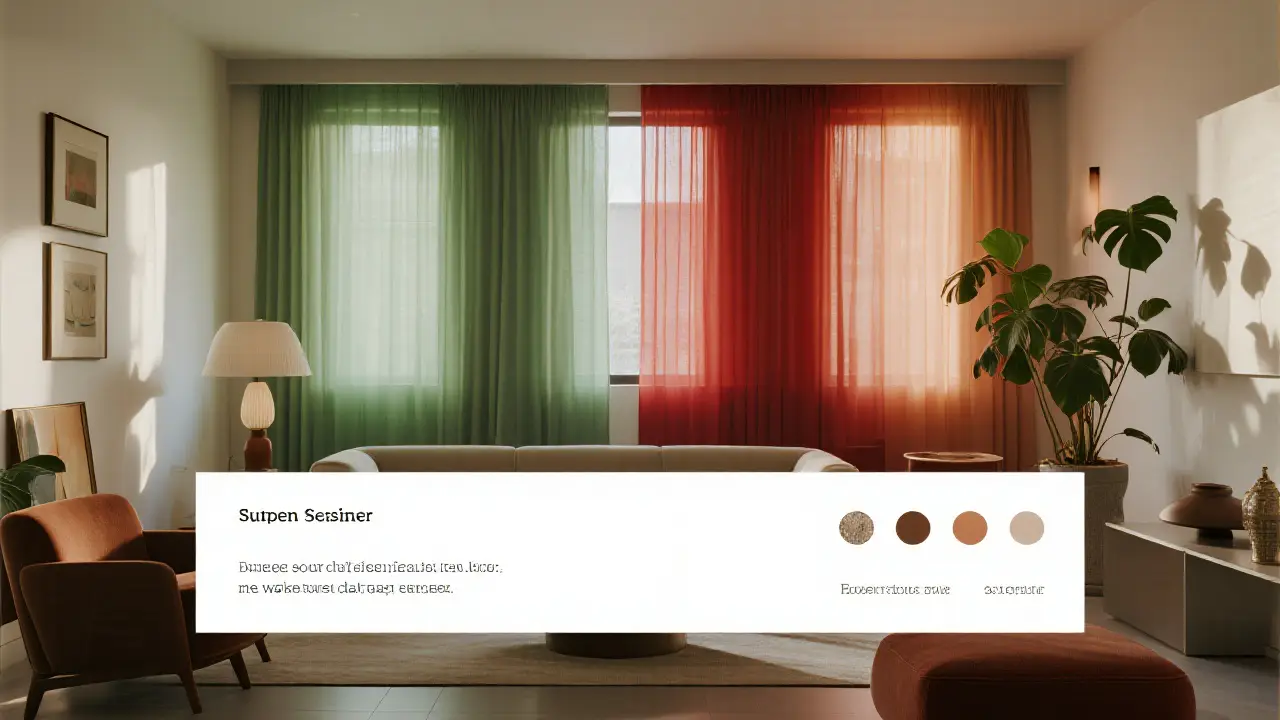
Introduce more Wood and Fire element colors such as greens, blues, and warm reds to embrace growth and passion. Light fabrics and floral patterns work well during these seasons.
Autumn and Winter
Shift toward Metal and Earth tones like white, beige, gray, and soft gold to emphasize stability and introspection. Use heavier textures and metallic finishes to match the season’s slower pace.
Integrating Colors with Furniture Placement
Feng Shui is not just about color selection; it also involves harmony with furniture arrangement. The placement of sofas, coffee tables, and decor items should support the chosen color’s element.
- Position furniture so that colors related to the Wealth element face the entrances or windows, symbolizing opportunities flowing in.
- Use Earth element colors in areas where the family gathers most often to ground positive relationships.
- Pair metallic accents with structured furniture to amplify clarity and organization.
Conclusion: Crafting Your Ideal Feng Shui Living Room
Choosing the right Feng Shui colors for your living room is both an art and a science. By understanding the Five Elements, the Yin-Yang balance, and your unique Bazi chart, you can create a space that attracts wealth, deepens family connections, and uplifts everyone who enters.
Whether you make subtle changes with accessories or a major transformation with wall colors, let each choice be intentional and aligned with your personal energy. For tailored advice, use our personal Feng Shui color analysis tool to discover the shades that will transform your living room into a harmonious, prosperous sanctuary.