Introduction: Why Color Choices Matter in Feng Shui
In Feng Shui, colors are more than just decorative elements — they are energetic symbols that influence mood, luck, and the overall flow of qi (life force) in your surroundings. Selecting the wrong shades can disrupt harmony, block prosperity, and even attract misfortune. This is why understanding Feng Shui colors to avoid is just as crucial as knowing which colors to embrace.
Many people mistakenly think they can use any trendy color without consequences, but in Feng Shui, color selection is guided by elemental balance, personal energy (such as your Ba Zi), and environmental context. Making the wrong choice can unknowingly sabotage your efforts to create a harmonious home or workspace.
The Relationship Between Feng Shui and the Five Elements
The Five Elements theory — Wood, Fire, Earth, Metal, and Water — is the foundation of all Feng Shui color advice. Each element corresponds to specific colors, and each interacts with other elements in productive or destructive cycles. Avoiding mismatched or excessively dominant colors is critical to prevent energy clashes.
- Wood: Green, light blue — nourished by Water, weakened by Metal.
- Fire: Red, orange, strong pink — nourished by Wood, weakened by Water.
- Earth: Yellow, beige, light brown — nourished by Fire, weakened by Wood.
- Metal: White, grey, metallic shades — nourished by Earth, weakened by Fire.
- Water: Black, deep blue — nourished by Metal, weakened by Earth.
When a color related to one element overwhelms or suppresses another in your home, it can disturb the balance of qi.
Top Feng Shui Colors to Avoid for General Spaces
Some colors tend to create imbalance for most people, particularly when overused. Here are common shades that can cause problems if applied without consideration for your unique energy profile:
- Excessive Black — Can make a room feel heavy, slow down energy, and invite stagnant qi.
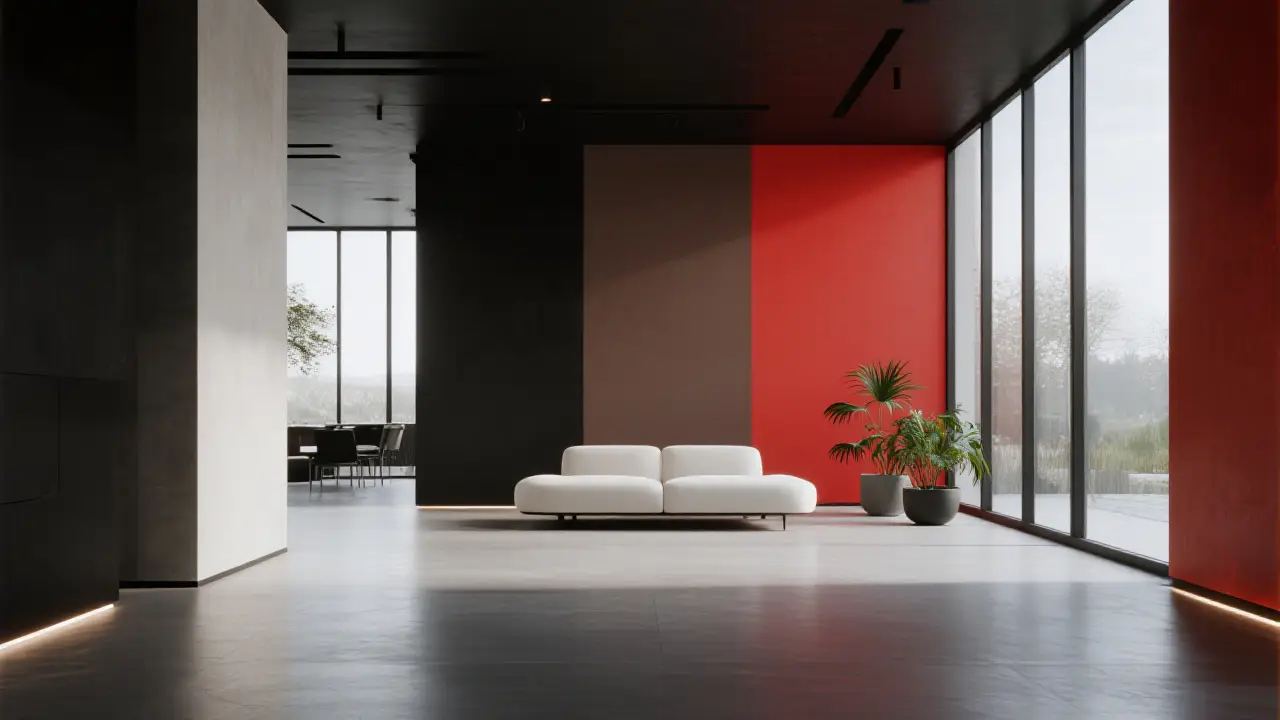
- Overly Bright Red — May cause restlessness, arguments, and tension when used in large areas.
- Dull Grey — Can suppress vitality and creativity if allowed to dominate a space.
- Murky Brown — Often linked with stagnation, heaviness, and lack of motivation.
- Neon Colors — Disrupt the natural flow of qi with overwhelming sensory stimulation.
Moderation is key. A small accent in an avoided color may be acceptable if balanced with nurturing colors, but large, dominant blocks of such shades should be avoided.
Colors to Avoid Based on Personal Ba Zi
Your Ba Zi (Four Pillars of Destiny) reveals your favorable and unfavorable elements. Colors corresponding to your unfavorable elements can weaken your energy, diminish opportunities, and disrupt daily harmony. For instance, if Water is your unfavorable element, using too much black or navy could lead to emotional instability or financial slowdown.
To find your favorable colors, it’s recommended to consult a reliable tool that matches colors to your personal Ba Zi. You can access one such tailored color guide at this Feng Shui color recommendation tool based on your Ba Zi.
Room-by-Room Color Mistakes
Bedroom
Bedrooms should be restful, calm, and nurturing. Avoid colors that are too stimulating or overpowering here:
- Bright Red — Over-activates the Fire element and can cause sleep disturbance.
- Glossy Black — Too much Water energy in a passive area can lead to emotional heaviness.
- Neon Shades — Overstimulating for a space intended for rest.
Living Room
The living room is a social hub where balanced energy encourages harmony. Avoiding the wrong colors can prevent conflict and drain:
- Dark Grey — Can suppress conversation and make the space feel cold.
- Overbearing White — Excess Metal energy leads to detachment and lack of warmth.
Kitchen
The kitchen symbolizes nourishment and wealth. Poor color choices here may weaken the Fire element linked to cooking:
- Overly Blue — Water extinguishes Fire, symbolically “putting out” cooking energy.
- Heavy Black — Creates imbalance in a space that should radiate vitality.
Home Office
In a productivity zone, wrong colors can lead to procrastination or tension:
- Too Much Red — May cause impatience or a short temper during work.
- Flat Beige — Can cause lack of motivation if not paired with energizing accents.
Seasonal and Environmental Considerations
The external environment influences which colors to avoid indoors. For example, if your home faces water (lake or ocean), using too much blue or black inside can overpower the space with Water element energy. Similarly, if you live in a hot climate, avoiding excessive red or orange indoors can help maintain balance.
Seasonal changes also affect recommended palettes. In winter, too many cold tones may make spaces feel lifeless; in summer, overly hot colors can be agitating. Feng Shui aims for harmony — adjusting colors to your surroundings keeps qi flowing smoothly year-round.
Psychological and Emotional Effects of Color Overuse
Beyond metaphysical aspects, colors carry psychological weight. Energetically heavy or overly stimulating colors may lead to:
- Stress — Caused by high-saturation and high-energy colors like neon red or orange.
- Mood Swings — Triggered by dominant dark colors such as deep grey or black.
- Lack of Focus — Resulting from mismatched or discordant color combinations.
When people experience discomfort in a space, subtle color disharmony is often to blame, even if they can’t consciously identify it.
Common Myths About “Lucky” Colors
One of the biggest misconceptions is that universally “lucky” colors exist. In reality, a color that brings prosperity to one person might cause setbacks for another, depending on their elemental chart. Bright red, for example, is considered lucky for some during celebrations, yet for others it can trigger excessive Fire energy and lead to restlessness.
Similarly, white is often linked in the West with purity, but in many Asian cultures it symbolizes mourning — a reminder that cultural context also plays a role in Feng Shui color avoidance.
Practical Steps to Identify and Remove Problem Colors
To ensure your space supports your goals, follow these steps to identify and replace problem colors:
- Analyze your personal Ba Zi using a trusted tool to determine your favorable and unfavorable colors.
- Walk through each room and note the dominant wall, furniture, and decor colors.
- Compare your observations with Feng Shui guidelines to identify potential clashes.
- Replace or balance problem shades with complementary colors from your favorable element.
- Introduce natural materials (wood, stone, metal) to further harmonize the color scheme.
Subtle shifts, such as changing pillow covers, repainting a single wall, or replacing curtains, can correct energy imbalances without a full redesign.
Conclusion: Protecting Your Space from Harmful Color Choices
Using the wrong Feng Shui colors can unconsciously block opportunities, strain relationships, and deplete energy. By understanding the principles behind color avoidance — especially when guided by your personal Ba Zi — you can make informed decisions to keep qi flowing positively.
Before decorating or redecorating, take the time to assess colors already present in your home. If you want a personalized analysis that matches colors to your unique energy chart, use the AI Feng Shui Color Tool here to ensure every choice enhances harmony rather than hinders it.
Remember: Feng Shui isn’t about strict rules; it’s about finding balance. Avoiding harmful colors is simply one powerful step toward creating a space that nourishes your well-being and supports your life goals.