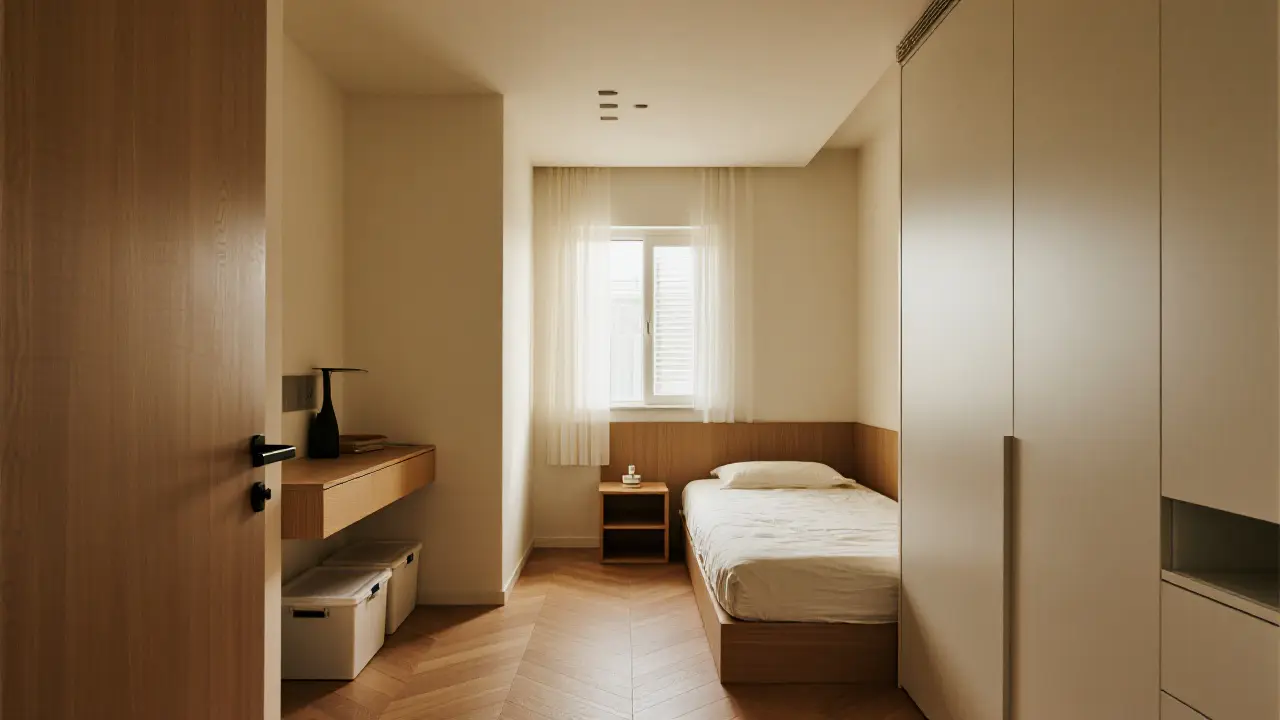
Introduction to Feng Shui in Small Bedrooms
Feng Shui, the ancient Chinese art of arranging spaces to promote harmony, balance, and positive energy flow, can have a profound impact on personal well-being. While it’s often discussed in the context of larger homes, small bedrooms present unique challenges and opportunities for applying Feng Shui principles.
In a compact space, every piece of furniture and décor item plays a significant role in shaping the energy—or Chi. By being mindful of the layout, you can transform even the tiniest bedroom into a restful, restorative sanctuary.
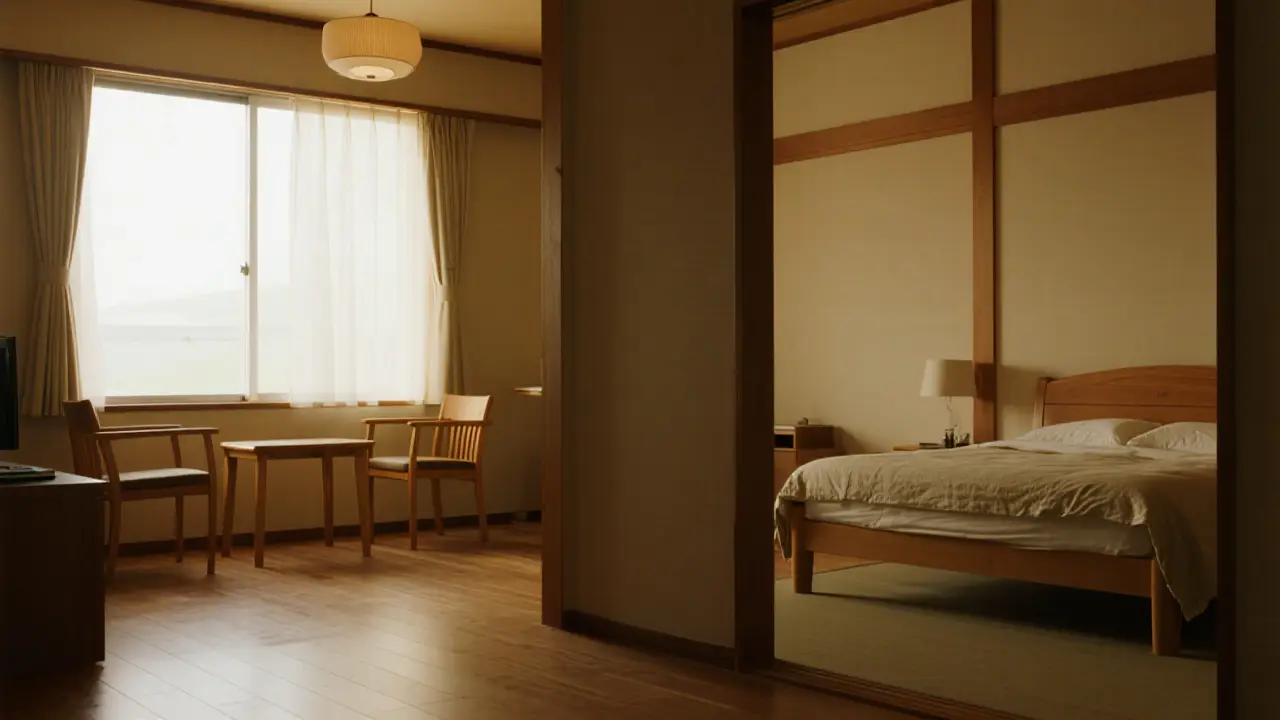
Why Feng Shui Matters in Small Bedrooms
In smaller sleeping spaces, clutter and poor arrangement can quickly lead to a feeling of chaos and restlessness. Feng Shui helps optimize the available square footage while fostering an environment conducive to sleep, relaxation, and rejuvenation.
- Encourages smoother daily energy flow.
- Supports restful sleep and mental clarity.
- Maximizes both storage and comfort without sacrificing harmony.
- Helps balance personal energy with the room’s atmosphere.
Understanding the Command Position
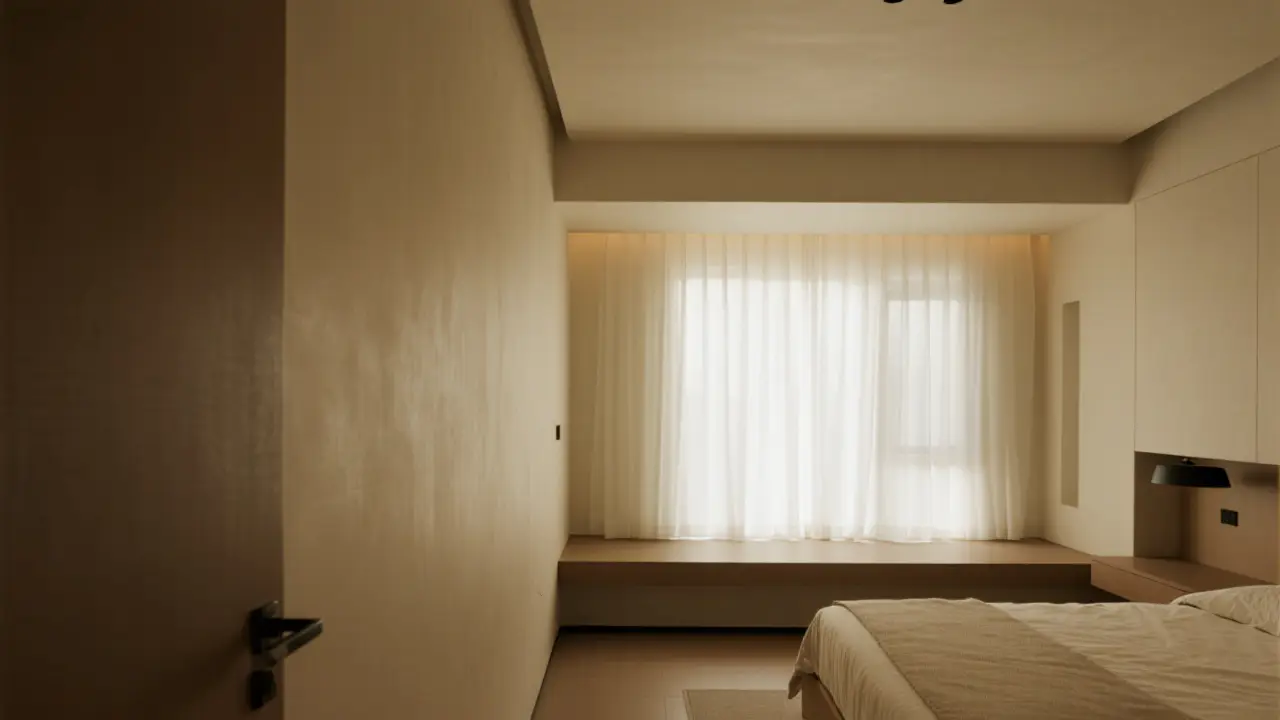
One of the foundational concepts in Feng Shui is the “command position.” This refers to the bed placement that allows you to see the door without being directly in line with it. In a small bedroom, achieving this while still maximizing space requires creative arrangements.
- Bed Angling: Whenever possible, position the bed diagonally across from the door.
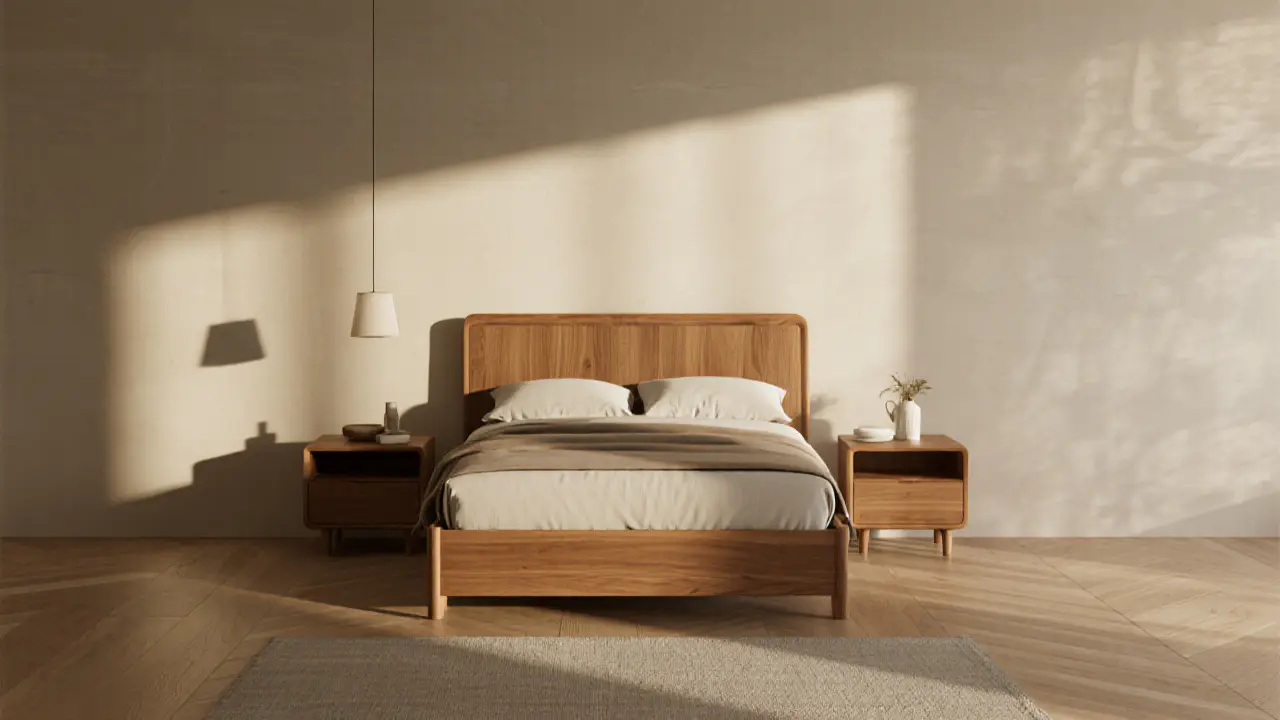
- Headboard Backing: Always have a solid wall behind the headboard for a sense of security.
- Avoid Door Alignment: Lying in direct alignment with the door is believed to cause restless energy.
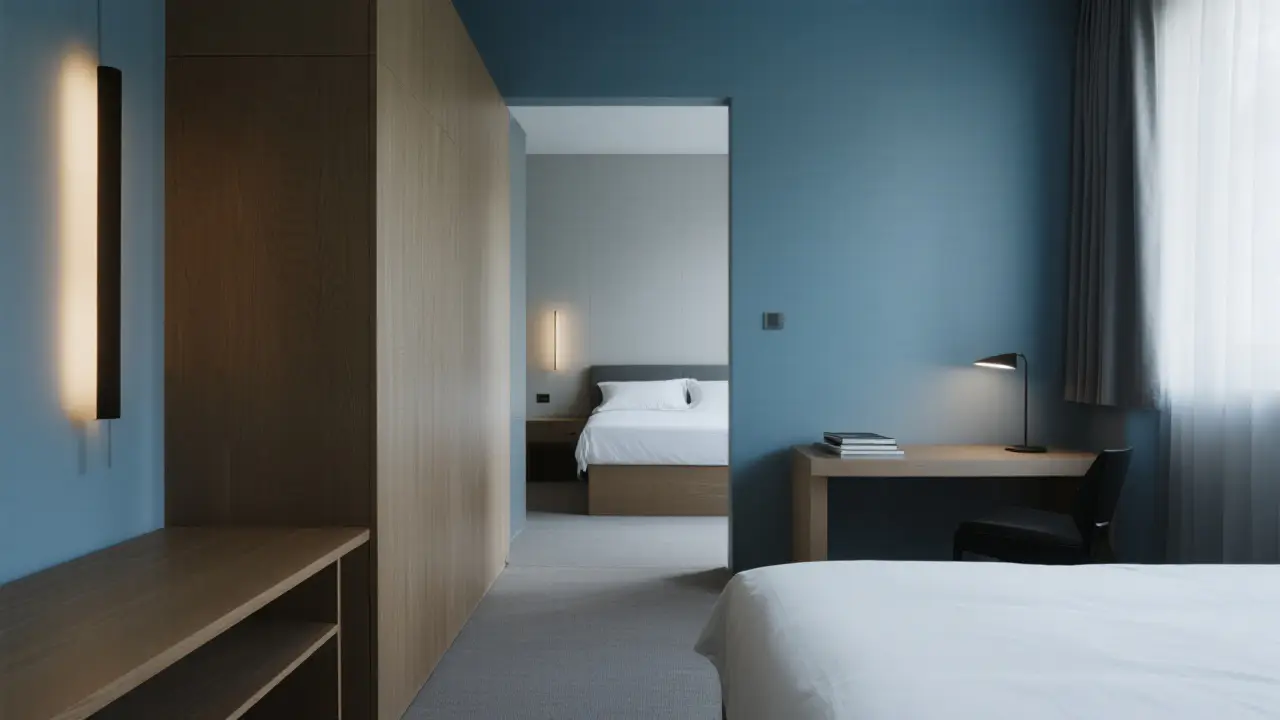
Optimizing Bed Placement in Limited Spaces
One of the main challenges in a compact bedroom is fitting the bed without disrupting the flow of energy. The bed is the most important piece of furniture in Feng Shui, representing you and your life.
Placement Tips
- Choose a wall that allows partial visibility of the entrance without being aligned with it.
- If no command position is possible, use a reflective element such as a small mirror angled to show the door.
- Leave space on both sides for balance, even if it’s only a narrow path.
Bed Size Considerations
Overly large beds in small rooms can overwhelm both space and energy. Opt for a proportional bed frame, and avoid placing it directly under a window, as that can lead to energy loss while you sleep.
Decluttering and Energy Flow
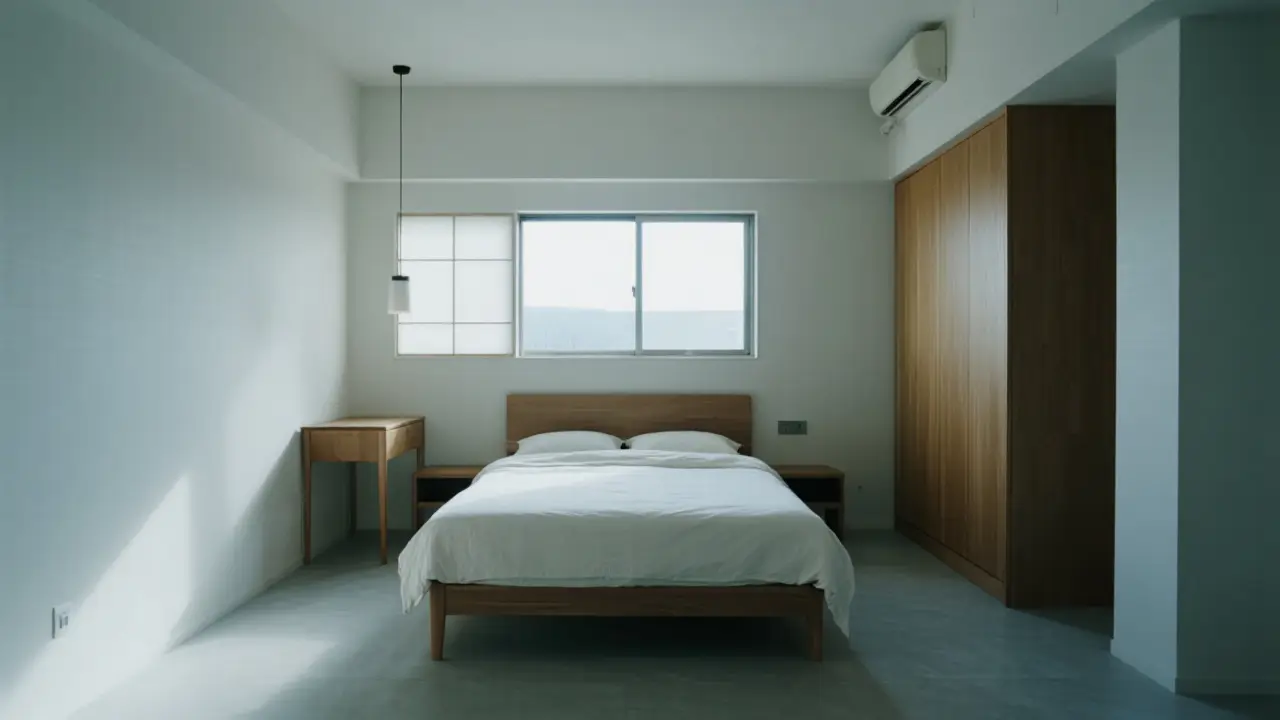
Clutter is the enemy of good Feng Shui, especially in small bedrooms. It blocks energy pathways and creates mental unrest. A tidy space allows positive Chi to circulate freely, promoting calm and clarity.
- Remove unnecessary furniture or décor.
- Keep storage organized and hidden where possible.
- Avoid storing items under the bed to maintain energetic flow while sleeping.
- Adopt a minimalist approach—quality over quantity.
Colors, Materials, and Textures
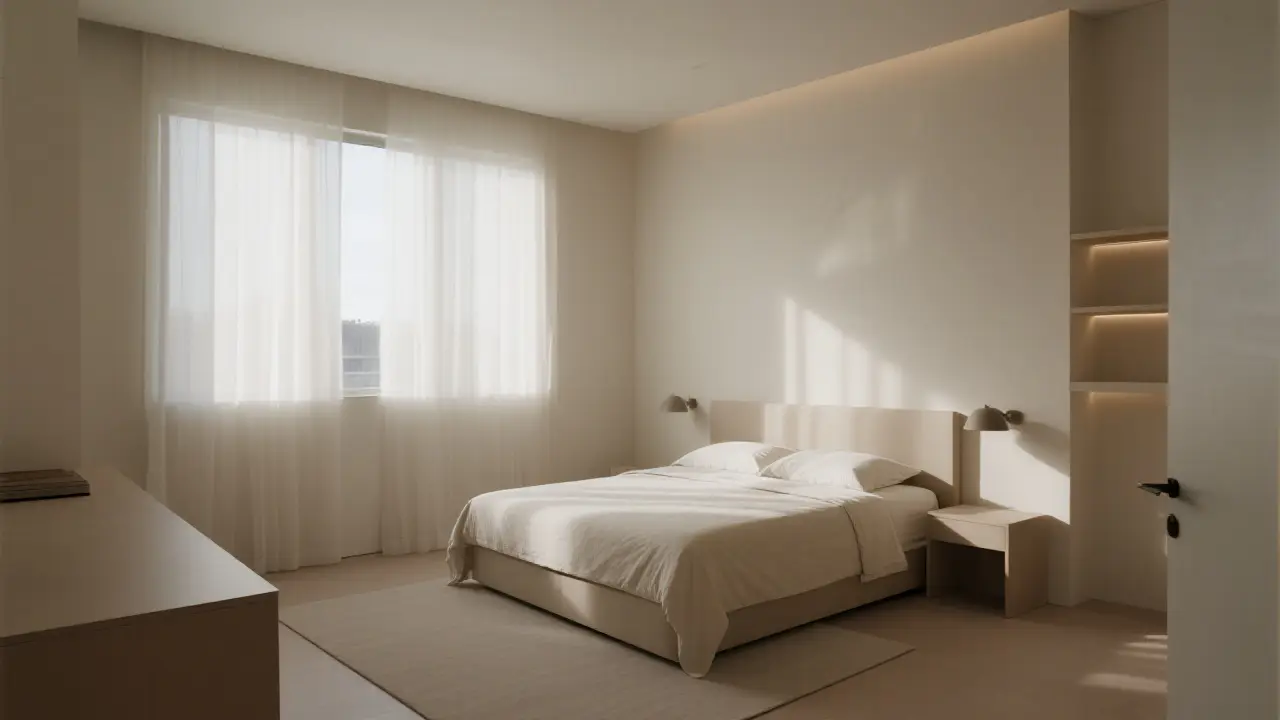
The sensory elements of your bedroom can greatly influence how you feel in the space. In Feng Shui, colors correspond to the five elements—wood, fire, earth, metal, and water—each bringing different energy types.
Recommended Colors for Small Bedrooms
- Soft Neutrals: Create a calm, expansive feel.
- Pale Blues and Greens: Promote tranquility and growth.
- Warm Earth Tones: Provide stability and grounding.
Fabrics and Materials
Choose natural fabrics such as cotton, linen, or silk for bedding and curtains. Wooden furniture often supports a sense of grounding, while metal accents can bring precision and clarity.
Lighting for Balanced Energy
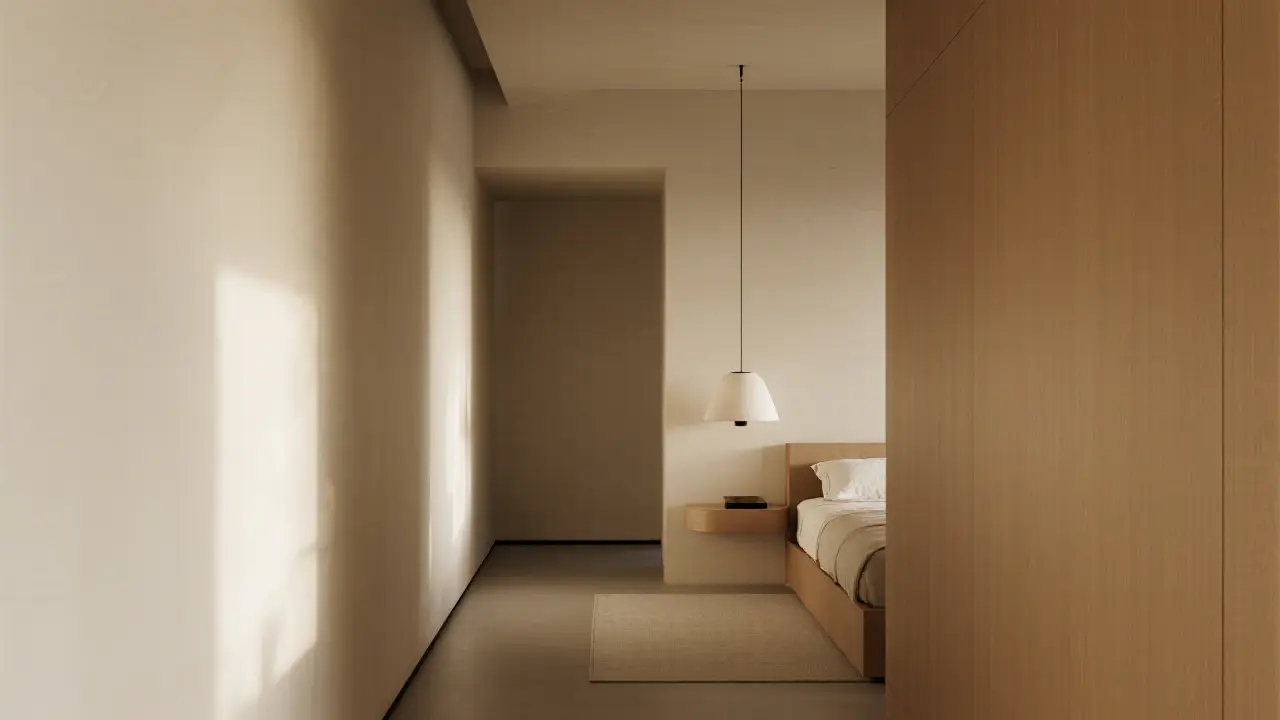
Lighting plays a vital role in shaping a bedroom's mood and energy. In small bedrooms, proper lighting helps create the illusion of more space while enhancing comfort.
- Use soft, warm lighting for a restful atmosphere.
- Ensure multiple light sources rather than relying solely on harsh overhead lights.
- Maximize natural light during the day, and block disruptive light at night with curtains or blinds.
Mirrors and Reflective Surfaces
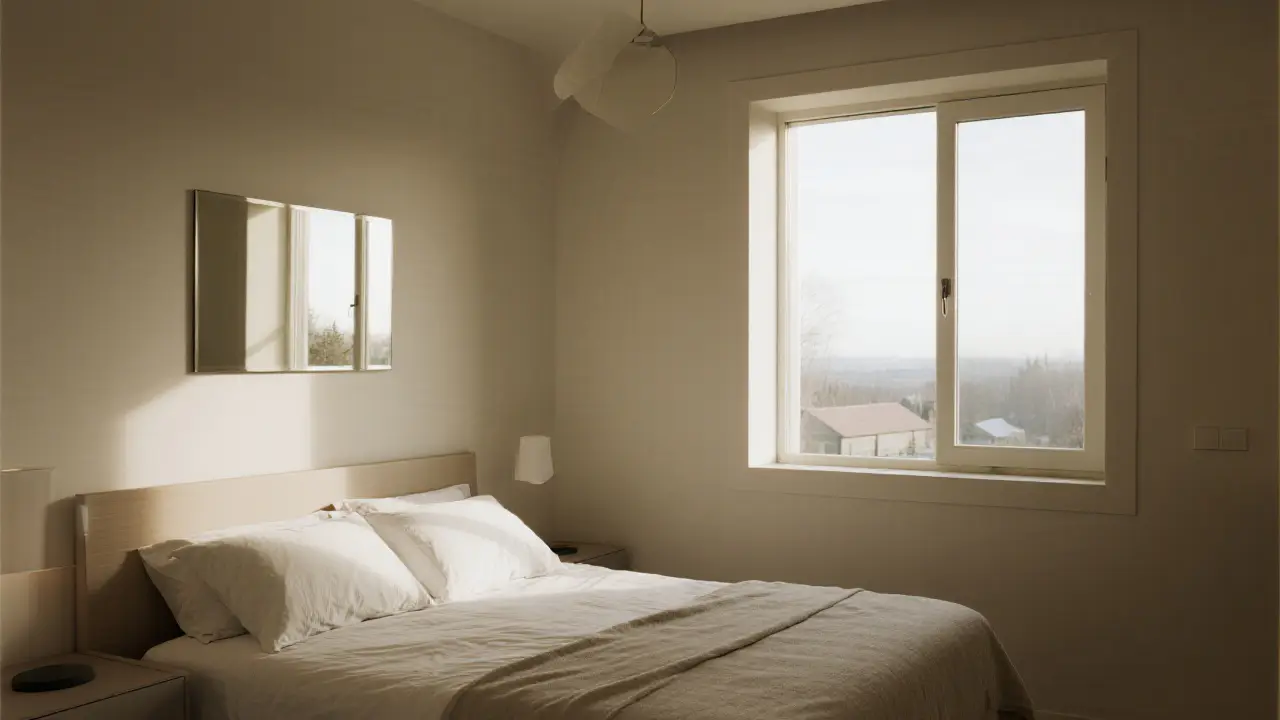
Mirrors can make small bedrooms appear larger, but in Feng Shui, their placement must be considered carefully. Poorly positioned mirrors can bounce negative energy or disrupt sleep.
- Avoid mirrors directly facing the bed.
- Use mirrors to reflect beautiful views or light into the room.
- Consider mirrored closet doors only if they are covered at night.
Incorporating Greenery
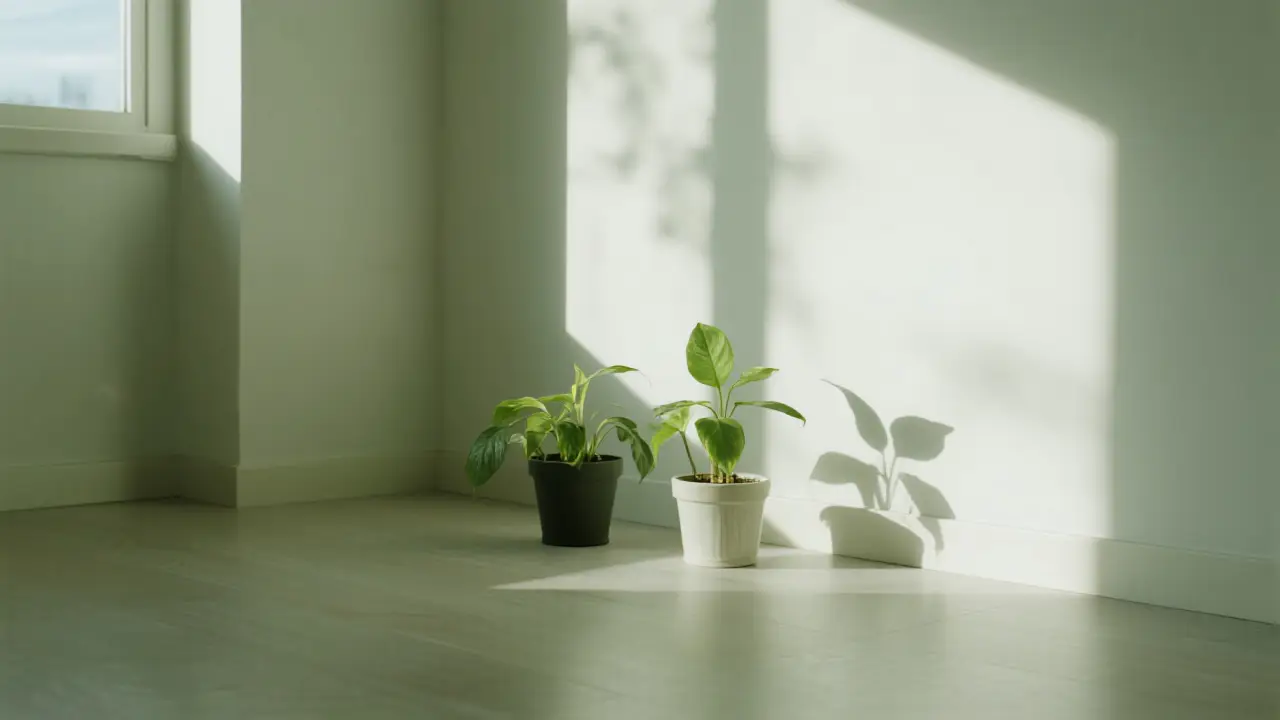
Plants bring fresh, life-giving energy and improve air quality. However, in a small bedroom, too many plants can feel overwhelming and disturb rest.
- Include one or two healthy, smaller plants for freshness.
- Choose plants with rounded leaves for a softer energy.
- Avoid thorny or spiky plants in the sleeping area.
Using Feng Shui Tools and Resources
Determining the optimal layout for a small bedroom can be tricky. Fortunately, you can make use of modern digital tools to visualize and perfect your arrangement. For example, you can upload your bedroom floor plan to the Feng Shui Bedroom Layout Generator, which uses AI to offer tailored placement suggestions based on ancient principles.
"Balancing energy in a small bedroom is about more than aesthetics—it’s about creating a space that supports your well-being every single day."
Common Mistakes to Avoid
Even with the best intentions, small-bedroom Feng Shui can go wrong if key principles are overlooked. Avoid these pitfalls to maintain harmony:
- Placing the bed in direct alignment with the door.
- Allowing clutter to accumulate, especially near the entrance.
- Overloading the room with bold colors or heavy décor.
- Using overly bright or harsh lighting in the sleeping area.
Conclusion
Feng Shui is not just about superstition—it’s a thoughtful system for designing spaces that nurture you physically and emotionally. In small bedrooms, careful arrangement, mindful selection of colors and materials, and an uncluttered environment can make a profound difference. By following these principles and using resources like the AI Bedroom Layout Feng Shui Tool, you can transform a cramped space into a tranquil retreat that enhances your energy and quality of life.
Apply these layout ideas to your own small bedroom and experience how a harmonious environment can promote better sleep, improved focus, and a greater sense of balance every day.