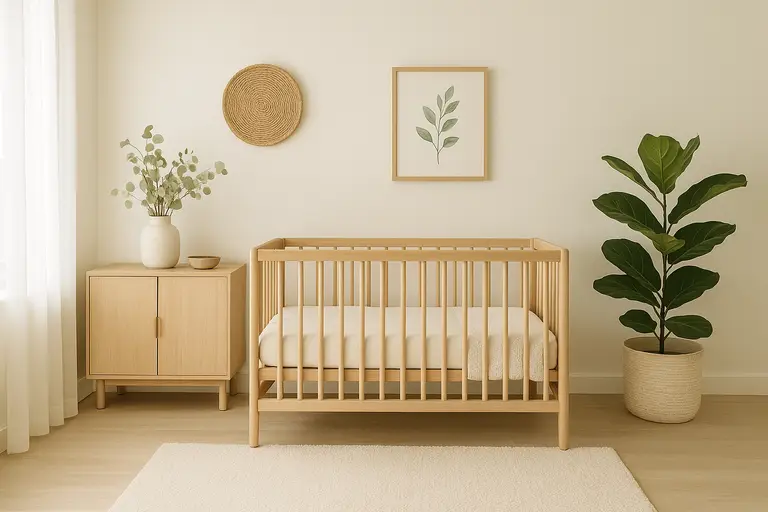
Introduction to Feng Shui for New Parents
Becoming a parent is a momentous milestone, and for many families in 2026, creating a nurturing home environment goes beyond aesthetics. Feng Shui, the ancient Chinese practice of arranging living spaces to harmonize with natural energies, offers a framework for designing a baby-friendly home that supports health, happiness, and growth.
Incorporating Feng Shui principles can help new parents foster a space that not only meets functional needs but also enhances emotional well-being. From the flow of Chi (energy) to the strategic placement of furniture, these details have a profound impact on how both parents and children feel within their living environment.
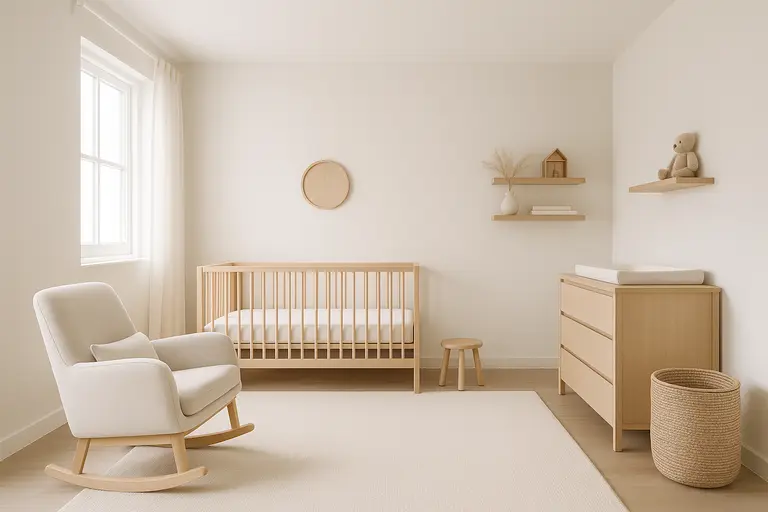
Understanding the Principles of Feng Shui for Families
Feng Shui revolves around the idea of energy flow, balance of the five elements, and favorable orientations based on personal energy charts. For families, especially with newborns, the primary goal is to create stability and gentle energy to promote restful sleep, healthy development, and harmonious family bonding.
- Chi Flow: Ensuring a clear and unobstructed path for energy to move throughout the home.
- Five Elements Balance: Integrating wood, fire, earth, metal, and water in a way that feels natural and supportive.
- Bagua Map: Using this Feng Shui tool to map out areas of the home that correspond with family, health, and children.
- Yin and Yang harmony: Creating an environment with peaceful Yin energy for rest and positive Yang energy for playtime.
Bedroom and Crib Placement for Infants in 2026
In 2026, Feng Shui experts recommend designing a baby’s bedroom with careful attention to direction, color, and layout. The position of the crib is particularly important, as it can influence restful sleep and a sense of security.
Choosing the Right Room
The baby’s room should ideally be located in a quiet area away from the main entrance and heavy foot traffic. According to the Bagua Map, the east and southeast sectors support health and growth, making them favorable for children’s rooms.
Optimal Crib Placement
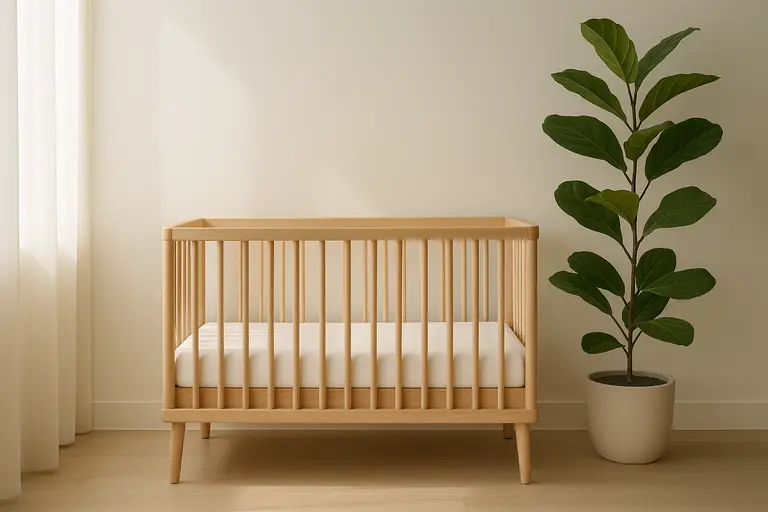
- Place the crib’s headboard against a solid wall to provide symbolic support and stability.
- Avoid positioning the crib directly under a window or a beam, which can lead to restless energy.
- Ensure that the crib is not in direct line with the door, as this can cause too much active Chi to disturb sleep.
Lighting and Ambience
Soft, natural lighting is ideal. Use dimmers to adjust brightness in the evenings, helping to signal bedtime to your baby’s circadian rhythm. Avoid harsh lighting or overstimulating decor that might create unnecessary Yang energy when rest is the priority.
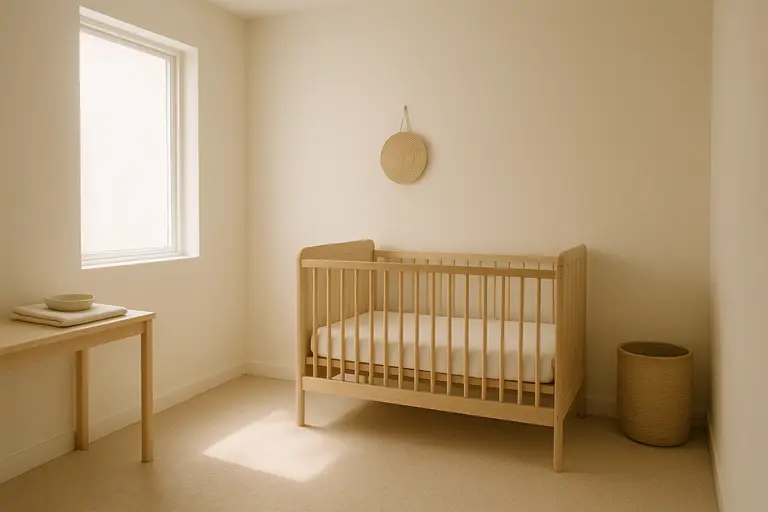
Protective Symbols and Colors for Children
Color and symbolism play essential roles in Feng Shui, especially when creating a child-friendly space. These elements can help instill feelings of safety, warmth, and joy.
Choosing Harmonious Colors
- Pale greens and blues encourage calmness and growth.
- Warm earth tones such as soft beige or pastel yellow support grounding and stability.
- Avoid overly vibrant reds or neons in sleeping areas as they can overstimulate a baby’s senses.
Incorporating Protective Symbols
Many parents in 2026 are adopting both traditional and modern interpretations of protective Feng Shui symbols. Some popular options include:
- Fu Dogs: Placed outside the main entrance to guard the home from negative energy.
- Pi Yao: A symbol of protection and fortune, often placed near the baby’s sleeping area (but out of reach).
- Family Portraits: Strategically placed to strengthen the sense of connection and protection within the household.
Textiles and Wall Art
Soft blankets, rugs, and linens with gentle patterns or nature-inspired motifs help instill a sense of comfort. Wall art depicting gentle animals, flowing water, or soft landscapes can enhance peaceful energy in the room.
Energy Balance for Family Growth
In Feng Shui, a balanced environment is essential for encouraging both individual well-being and harmonious family dynamics. This balance involves consciously blending Yin and Yang energy and integrating the five elements so they support—not overwhelm—each other.
Activating the Family and Health Area
On the Bagua Map, the Family and Health area is associated with the wood element. Enhancing this section of your home in 2026 can boost unity, vitality, and resilience.
- Use wooden furniture or decorative pieces in this area to strengthen the wood element.
- Add healthy plants to symbolize growth and fresh oxygen flow.
- Incorporate shades of green to further activate this supportive energy.
Balancing Yin and Yang at Home
Too much Yin can lead to stagnancy, while too much Yang can create restlessness. For families with newborns, achieving a gentle but uplifting equilibrium is key.
- During daytime, allow natural light and active sounds in shared family spaces to support Yang energy.
- In the evenings, use soft lighting, calming scents like lavender, and quiet activities to encourage Yin energy for relaxation.
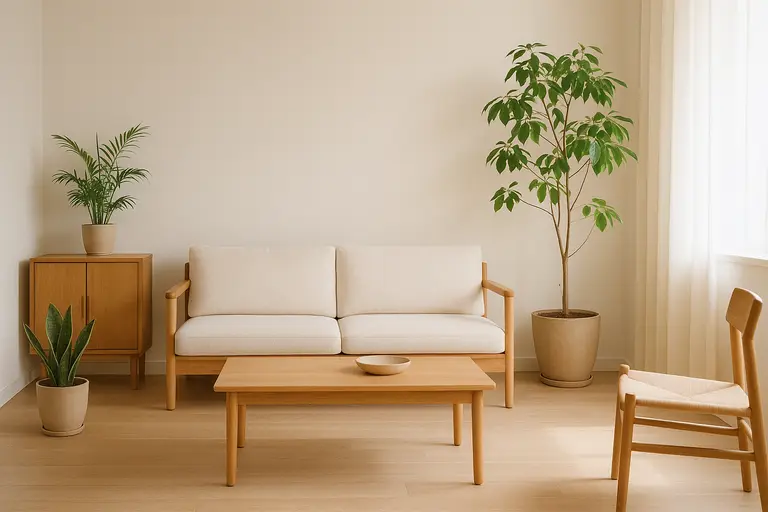
Decluttering for a Calm Environment
Clutter disrupts Chi flow, creating confusion and stress—an environment particularly challenging for new parents and infants. Keeping spaces tidy promotes peace of mind and makes caregiving more enjoyable.
- Declutter regularly, especially in the baby’s room and main family areas.
- Use storage solutions to keep toys and baby items neatly arranged.
- Clear pathways and corners to avoid stagnant energy accumulation.
By maintaining an organized environment, you not only enhance Feng Shui but also reduce daily stress, allowing more time and energy for quality family moments.
Incorporating Natural Elements for Well-Being
Natural materials and elements foster a deeper connection to nature, which is central to Feng Shui practice. In 2026, sustainability and well-being are intertwined priorities for new parents.
- Use wooden cribs and dressers for their grounding energy.
- Incorporate plants such as peace lilies for air purification and vitality.
- Add a small tabletop water feature in communal areas to encourage prosperity and calmness.
Creating a Nurturing Feeding and Play Area
Beyond the bedroom, the spaces where you feed and play with your baby should also align with Feng Shui principles. These areas should be organized, bright, and conducive to bonding.
Feeding Area Feng Shui Tips
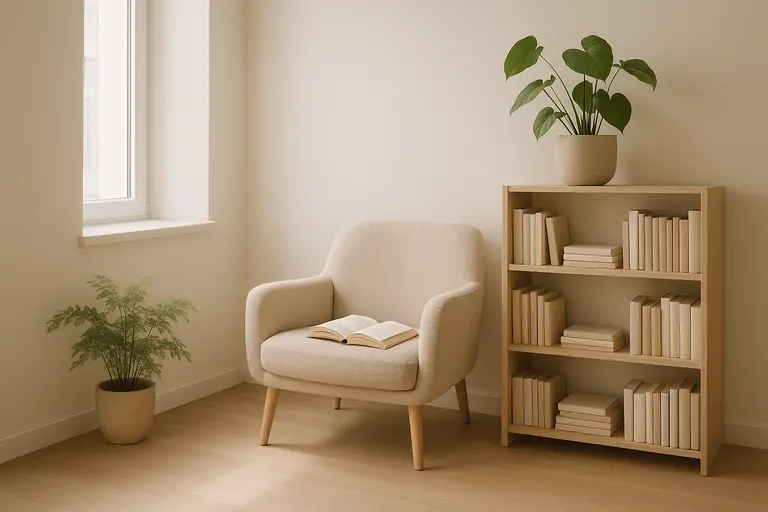
- Choose a comfortable chair with a high back for breastfeeding or bottle feeding to provide both physical and symbolic support.
- Position the chair in a spot where you can see the door without being directly in line with it, promoting a feeling of safety.
- Keep calming images or plants nearby to create a soothing ambience.
Play Area Design
Play areas should encourage movement, learning, and joy without overwhelming the senses. Use floor mats in natural colors, avoid excessive plastic, and ensure toys are stored neatly after use to avoid disruptive energy buildup.
Feng Shui for Parental Self-Care
New parents often focus exclusively on the baby, but in Feng Shui, the home must nurture everyone within it. Create spaces dedicated to parental relaxation and rejuvenation.
- Set aside a cozy reading nook with soft lighting for quiet moments.
- Incorporate personal symbols of happiness, such as travel photos or achievements, to feed your own Yang energy.
- Use calming colors like soft blues or muted greens in private parental areas to encourage rest and balance.
Common Feng Shui Mistakes to Avoid in 2026
While enthusiasm for designing a perfect home runs high for new parents, certain errors can interrupt the desired flow of Chi and create unintended stress.
- Placing mirrors opposite the crib, which can disturb sleep and energy.
- Overfilling the nursery with furniture and décor that restrict energy flow.
- Using too many conflicting colors or patterns that cause visual chaos.
- Neglecting the parental bedroom’s Feng Shui while focusing solely on the baby’s room.
Conclusion: Harmonizing Your Home for a Joyful Start
A well-balanced and thoughtfully designed home based on Feng Shui principles can create a supportive environment for both baby and parents. In 2026, as more families recognize the link between energy flow and well-being, applying these time-tested techniques offers an empowering way to start the parenting journey.
From crib placement to symbolic décor and the integration of natural elements, the choices you make can influence the daily experiences and emotional climate of your household. By embracing Feng Shui, you invite not only beauty and comfort but also harmony, safety, and abundant positive energy into your family life.